

Shen Ruoxi — International Product Sales Executive
 Home / Author / Shen Ruoxi — International Product Sales Executive / Double-Sided Cloud Velvet Blanket: A Complete Guide to Softness, Warmth, Durability, and Textile Manufacturing Quality
  2026.09.10
 Shen Ruoxi — International Product Sales Executive
A blanket is more than a simple household covering. It contributes to sleep comfort, relaxation, interior styling, travel convenience, and the overall feeling of warmth in a room. For these reasons, buyers increasingly look for products that combine a soft hand feel with reliable construction, easy care, versatile sizing, and consistent appearance. The Double Sided Cloud Velvet Blanket is designed around these practical expectations. It offers a plush surface, a lightweight yet warm structure, solid-color styling, and a range of sizes suitable for sofas, beds, hotels, offices, travel, and outdoor use.
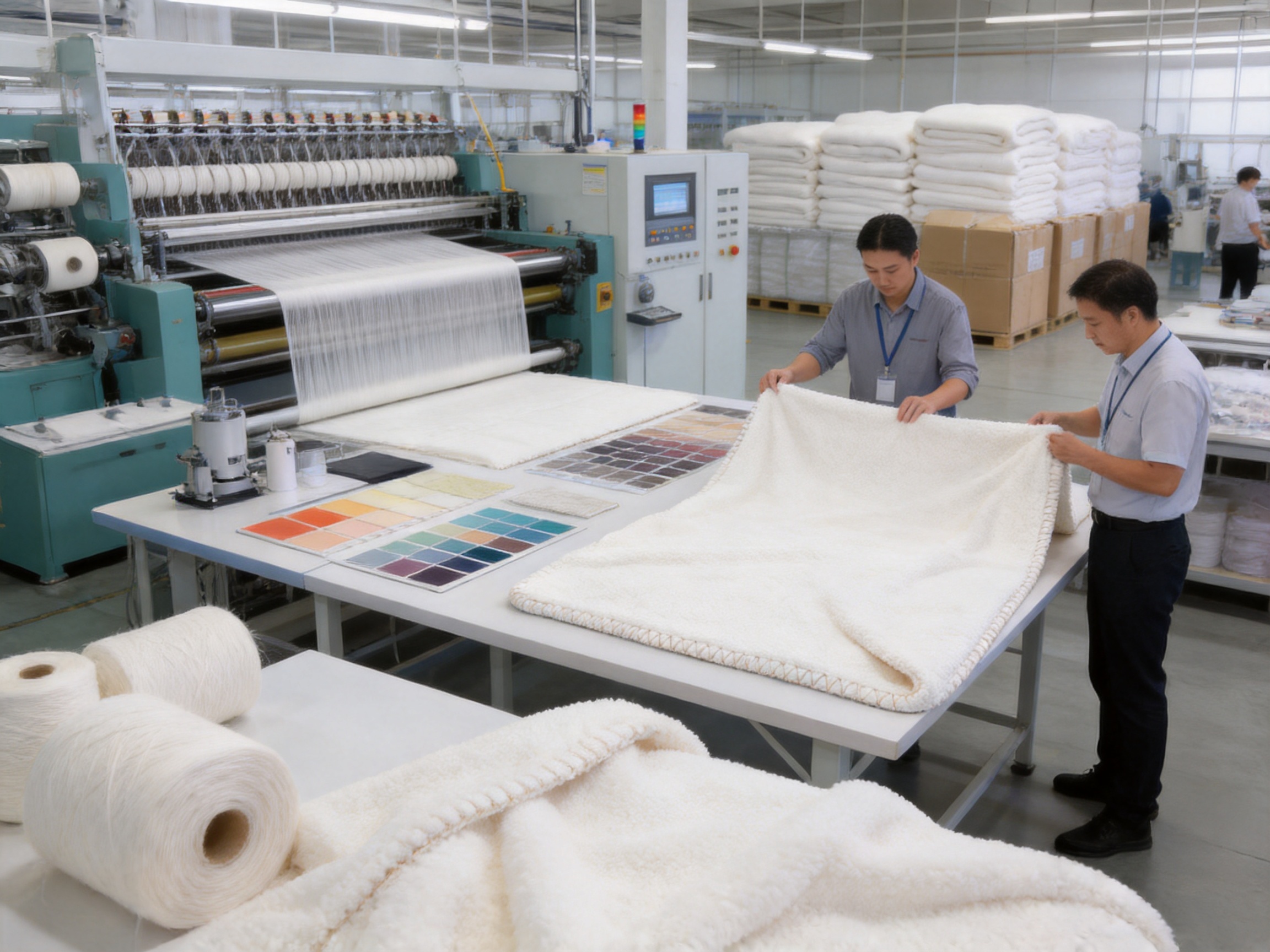
Behind the finished blanket is a textile manufacturing process that brings together fiber selection, knitted construction, dyeing, finishing, edge treatment, inspection, and customized production support. Zhejiang Benyi Textile Technology Co., Ltd., operating under the Bene brand, specializes in textile products, carpet fabrics, rugs, and related finished goods. Its production capabilities include weaving, dyeing and printing, and finished-product processing, allowing the company to coordinate important stages of the supply chain and maintain greater control over quality and lead times.
This article examines the blanket’s design, materials, construction, user benefits, care requirements, applications, and manufacturing advantages. It also explains how the product compares with common alternatives and why integrated textile production can be valuable for wholesalers, retailers, hospitality buyers, and consumers seeking a dependable soft furnishing product.
Double Sided Cloud Velvet Blanket
Content
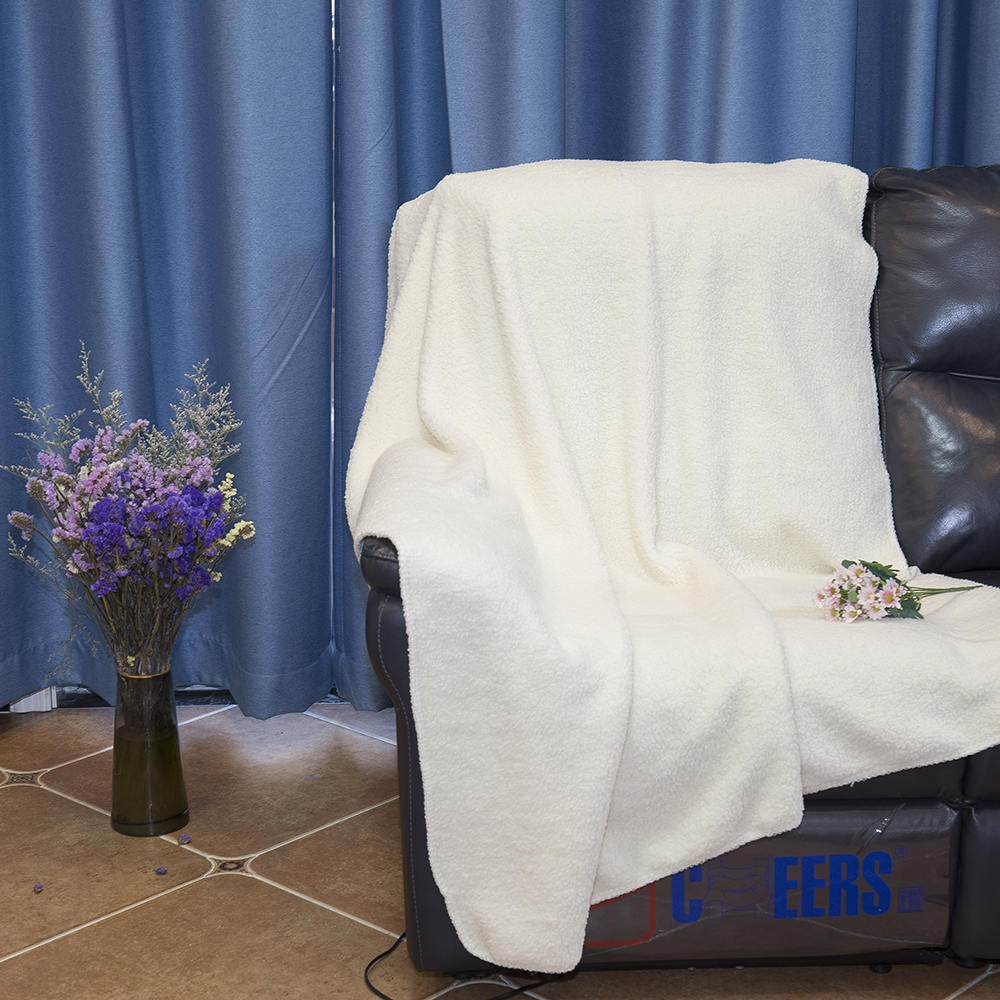
The Double Sided Cloud Velvet Blanket is a single-layer knitted blanket made from 100% polyester. Its name reflects the exceptionally soft, cloud-like sensation created by the fine velvet pile on both sides. Instead of providing a plush surface on only one face, the double-sided design gives users a comfortable touch whether the blanket is placed over the body, folded on a sofa, or used as a decorative layer on a bed.
The product is offered in four sizes: 50 by 60 inches, 60 by 80 inches, 90 by 90 inches, and 90 by 110 inches. These dimensions cover several common usage scenarios. The smaller size is suitable for personal use, children, office chairs, travel, and sofa lounging. The medium size can cover one person comfortably or serve as a compact bed or couch blanket. The larger sizes are appropriate for beds, shared relaxation, guest rooms, hotels, and families who want broader coverage.
The product information identifies the listed weight as 380 grams per square meter. The descriptive material also refers to a plush 340gsm weight. Because fabric weight may vary according to production specification, finishing, size, or catalog version, buyers should confirm the final gsm requirement with the manufacturer before placing a bulk order. In either case, the stated construction is intended to balance warmth, softness, manageability, and practical everyday use.
The blanket features a lock-edge construction. This edge treatment helps reinforce the perimeter, reduce fraying, and create a neat finished appearance. Along with the knitted weave and carefully formed seams, the lock edge supports the blanket’s ability to withstand repeated handling and washing. The product is machine washable, making it convenient for homes, hospitality environments, offices, and families with children or pets.
The following table summarizes the principal specifications supplied for the Double Sided Cloud Velvet Blanket.
| Specification | Details |
|---|---|
| Product name | Double-sided cloud velvet blanket |
| Brand | Bene |
| Material | 100% polyester |
| Listed fabric weight | 380gsm; product descriptions also reference 340gsm |
| Available sizes | 50" x 60", 60" x 80", 90" x 90", and 90" x 110" |
| Layer | Single |
| Construction | Lock edge |
| Weave type | Knitted |
| Pattern | Solid colors |
| Recommended uses | Sofa, bed, hotel, plane, office, travel, camping, and home decoration |
| Age range | All ages |
| Care instructions | Machine wash |
| Seasons | All seasons |
| Special features | Soft, warm, lightweight, and washable |
The combination of solid colors and several sizes makes the blanket adaptable to different sales channels. Retailers can offer it as an everyday home textile, while hotel and office buyers can select sizes and colors that match their interior programs. Wholesalers may also request customized colors, packaging, labels, or size combinations depending on their market.
The most noticeable feature of the blanket is its soft, silky hand feel. A fine and even pile creates a smooth surface that feels gentle against the skin. This is particularly valuable for products used during rest, sleep, reading, watching television, or travel. A blanket that feels pleasant encourages frequent use and can become a favorite household comfort item.
The double-sided velvet construction adds comfort in two directions. Some blankets have one decorative or plush side and one plain backing side. In contrast, a two-sided velvet blanket provides a soft touch regardless of which surface is facing the user. This can also simplify use because the blanket does not need to be carefully oriented each time it is placed on a sofa or bed.
Softness depends on several manufacturing factors rather than fiber content alone. The quality of the polyester yarn, knitting density, pile formation, dyeing conditions, brushing or finishing process, and final inspection all influence the result. A well-controlled production process helps create an even surface with a consistent feel across the blanket. The supplied product description emphasizes an even, fine, rich, and full pile, which is an important indicator of perceived quality.
The blanket is also described as breathable and lightweight. These characteristics are useful because warmth does not always require a heavy or rigid product. A manageable blanket can be folded, carried, layered, or stored more easily than a bulky alternative. For people who want extra warmth without feeling restricted, a lightweight plush blanket can offer a comfortable middle ground.
Warmth is one of the primary reasons people purchase blankets. The Double Sided Cloud Velvet Blanket is designed to trap comfortable warmth through its plush surface and textile structure while remaining practical for everyday handling. It can be used on its own in moderate conditions or layered with bedding when additional insulation is required.
The single-layer design keeps the blanket relatively simple and easy to manage. It does not depend on a thick filling layer that could shift, bunch, or make washing more difficult. This construction is helpful for users who want a warm covering that folds compactly and can be cleaned in a standard household washing machine, subject to the care label and machine capacity.
The product is described as suitable for all seasons. In cooler weather, it may serve as a primary sofa or bed blanket. During warmer months, it can be used in air-conditioned rooms, offices, airplanes, and guest spaces. Seasonal flexibility also improves inventory efficiency for retailers and hospitality buyers because the same general product can be marketed throughout the year.
Perceived warmth is affected by room temperature, clothing, bedding layers, personal preference, and blanket size. A large blanket can provide better coverage and reduce drafts, while a smaller blanket can be more convenient for individual use. The four available dimensions allow buyers to select the appropriate balance between coverage and portability.
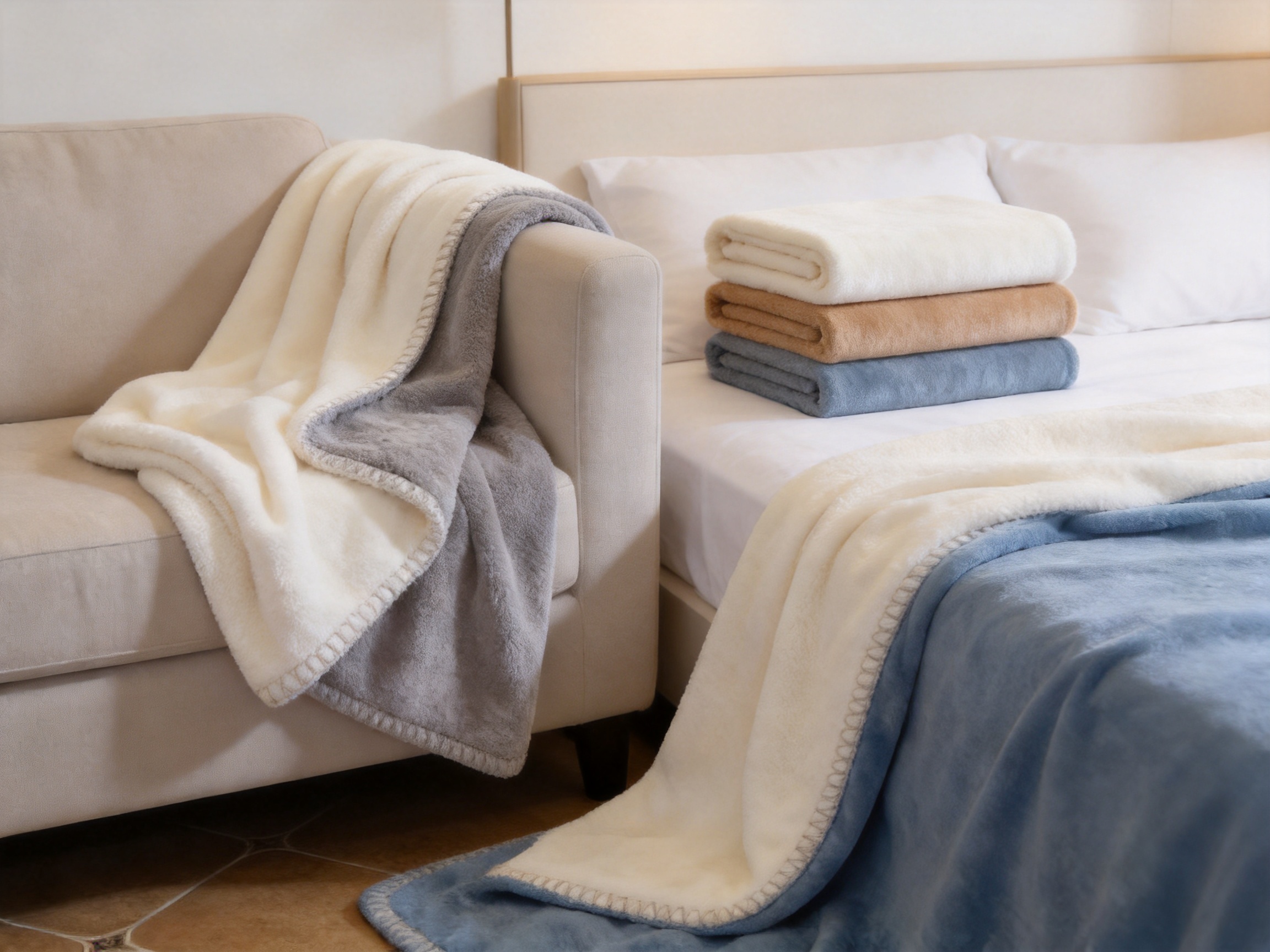
The knitted weave gives the blanket flexibility and a soft drape. Unlike a stiff woven textile, a knitted structure can bend and conform more naturally when placed over the body or furniture. This flexibility improves comfort and contributes to the relaxed appearance expected from a plush household blanket.
Knitting also requires careful control of yarn tension, stitch formation, and fabric density. If the structure is inconsistent, the blanket may develop uneven areas, loose loops, distortion, or differences in pile appearance. An experienced textile manufacturer can reduce these risks through controlled machinery, process monitoring, and inspection at multiple stages.
The lock edge is another important construction detail. The perimeter of a blanket is exposed to repeated pulling, folding, washing, and handling. A weak edge may curl, fray, or lose its shape. A reinforced lock-edge finish creates a cleaner boundary and helps hold the fabric structure together. It also gives the blanket a more polished appearance for retail display, hotel use, and gift packaging.
Neat stitching at the seams further supports durability. The product information describes a stitching construction intended to create stronger connections at the seams. While no textile is completely immune to wear, consistent seam quality can extend useful service life and improve customer satisfaction. Buyers evaluating competing blankets should inspect edge density, thread consistency, corner finishing, and resistance to stretching rather than judging quality only by initial softness.
Blankets are frequently exposed to skin oils, food particles, dust, pet hair, and accidental spills. A product that cannot be cleaned easily may be less practical, even if it feels luxurious when new. The Double Sided Cloud Velvet Blanket is designed for machine washing, which supports regular maintenance in domestic and commercial environments.
Machine washability is particularly helpful for households with children or pets. It is also valuable in hotels, guesthouses, offices, dormitories, medical waiting areas, and other locations where blankets may be used by different people. Easy care reduces the time and expense associated with specialized cleaning services.
Users should follow the care label supplied with the actual product. In general, plush polyester blankets benefit from a gentle washing cycle, a suitable detergent, and avoidance of excessive heat unless the care instructions specifically permit it. The blanket should not be overloaded into a washing machine that is too small. Adequate space allows water and detergent to circulate more effectively and helps reduce unnecessary compression of the pile.
Drying conditions can also affect softness and appearance. Excessive heat may damage synthetic fibers or change the texture of the pile. A low-temperature drying setting or air drying may be preferable, depending on the manufacturer’s care instructions. Strong bleach, harsh chemicals, and abrasive treatments should generally be avoided unless expressly approved.
The product description states that the blanket is designed to resist fading and pilling. Actual performance depends on washing frequency, detergent, mechanical friction, drying temperature, and use conditions. Nevertheless, careful dyeing and finishing processes can help maintain color and surface quality over time.
The blanket is offered in solid colors rather than a complex printed pattern. This makes it easy to coordinate with existing furniture, bedding, curtains, rugs, and decorative accessories. Solid colors can create a calm visual effect in bedrooms and living rooms, while also providing a clean and professional appearance in hotels, offices, and aircraft cabins.
For wholesalers and retailers, solid-color products can serve a broad customer base. Buyers may select neutral tones for minimalist interiors, deeper shades for traditional rooms, or lighter colors for a fresh and contemporary appearance. Solid fabrics can also be more adaptable when a customer wants to add embroidered logos, woven labels, packaging accents, or other branding details, subject to production feasibility.
Color consistency is important when ordering multiple units or repeat shipments. A manufacturer with coordinated dyeing capabilities can help manage color standards, approval samples, production lots, and repeat-order records. Buyers should establish acceptable color tolerances in advance because textile shades may vary slightly between dye lots.
Basic fleece blankets are popular because they are lightweight and economical. However, some low-cost fleece products may have a flatter hand feel, less luxurious surface, or weaker edge finishing. The cloud velvet design focuses more strongly on plush softness, an even pile, and a premium touch. The lock-edge construction also provides a more finished appearance than a simple cut-edge product.
Fleece may remain appropriate for promotional items, emergency use, or highly price-sensitive programs. The cloud velvet blanket is better suited to customers who want a combination of comfort, appearance, and repeat-use durability.
Wool blankets can provide excellent natural warmth and a distinctive texture, but they are often heavier, more expensive, and more demanding to care for. Some users may also be sensitive to wool fibers. The polyester cloud velvet blanket offers a smoother and more uniform surface, lighter handling, machine-wash convenience, and a generally more accessible price structure.
Wool can be preferred for natural-fiber positioning or extreme cold-weather applications. Polyester velvet is advantageous where softness, color consistency, easy maintenance, and scalable production are the main priorities.
Quilted blankets often contain batting or synthetic fill between fabric layers. They can provide substantial insulation, but they may be bulkier and may require additional stitching to prevent the fill from shifting. The single-layer knitted construction of the cloud velvet blanket is simpler, more flexible, and easier to fold and wash.
A filled blanket may be more suitable for very cold environments. The cloud velvet model is a practical choice for year-round use, layering, indoor relaxation, travel, and moderate warmth.
Sherpa-backed blankets commonly combine a smooth printed face with a thick, wool-like backing. They can feel warm and substantial but may be heavier and less compact. Because the Double Sided Cloud Velvet Blanket has velvet comfort on both sides and a single-layer structure, it provides more uniform touch and easier reversibility.
Cotton blankets are valued for natural fiber content, absorbency, and breathability. However, they may wrinkle more easily, require longer drying times, or become heavier when wet. Polyester velvet offers a different performance profile: it is lightweight, quick to manage, resistant to many forms of everyday wear, and capable of holding solid colors with a smooth plush appearance.
The best material depends on the intended market. Polyester is especially practical for hospitality, travel, institutional, and high-frequency use where easy care and consistent production are essential.
The blanket’s broad application range is one of its main commercial advantages. At home, it can be folded over the back of a sofa, placed at the foot of a bed, or kept in a reading area. Its solid-color styling allows it to function as both a comfort product and a decorative accessory.
In bedrooms, the larger sizes can provide additional warmth over existing bedding. A blanket may also be used as a guest-room layer, allowing visitors to adjust their comfort without changing the entire bedding arrangement. The smooth velvet surface can contribute to a more welcoming and comfortable sleeping environment.
On sofas and lounge chairs, smaller sizes are easy to reach and use. They can support personal comfort during reading, television viewing, or rest. Because the material is lightweight, users can move the blanket from one room to another without difficulty.
Hotels and serviced apartments may use the blanket in guest rooms, executive lounges, conference areas, and transportation-related accommodation. The washable construction can support regular housekeeping routines. Buyers in this sector should evaluate the blanket according to their laundry equipment, usage frequency, color requirements, packaging system, and replacement schedule.
Offices can place blankets in relaxation rooms, nursing rooms, private workspaces, or air-conditioned meeting areas. The 50 by 60 inch and 60 by 80 inch sizes may be particularly practical where compact storage and individual use are important.
For airplanes, trains, buses, and travel kits, the lightweight structure offers portability. A compactly folded blanket can provide comfort during long journeys, while the machine-wash feature supports routine cleaning. Travel buyers should confirm packaging, folding dimensions, hygiene procedures, and any applicable transportation requirements.
Outdoor users may take the blanket camping, to sporting events, on picnics, or to outdoor gatherings. Polyester is not a substitute for specialized technical insulation, but the blanket can provide a comfortable supplementary layer in mild or moderate conditions.
Families with children and pets may use it as a protective layer on furniture, a play-area covering, or a cozy resting surface. Regular washing is an advantage in these applications, although users should inspect the blanket periodically for damage caused by chewing, sharp claws, or rough handling.

The product is supplied by Zhejiang Benyi Textile Technology Co., Ltd., a textile technology company located in Shaoxing, Zhejiang Province. Shaoxing is widely recognized as an important textile production center. Access to textile expertise, suppliers, production services, and skilled personnel can support efficient development and manufacturing of fabric-based products.
The company specializes in carpets, rug fabrics, and finished textile products, while also offering capabilities relevant to soft household textiles. Its stated production network includes weaving factories, dyeing and printing factories, and finished carpet processing factories. Although the cloud velvet blanket is a blanket product rather than a carpet, this broader textile infrastructure provides useful experience in yarns, fabric formation, coloration, finishing, inspection, and supply-chain coordination.
One important strength is control across multiple production stages. When a company manages or closely coordinates weaving, dyeing, printing, and finishing, it can reduce communication gaps between separate suppliers. This may improve consistency in material specifications, color standards, finishing expectations, and delivery planning.
Integrated production can also make problem-solving faster. If a fabric surface, color, edge, or weight does not meet the approved standard, the relevant production team can investigate the issue at its source. This is generally more efficient than relying on several independent vendors with limited visibility into each other’s processes.
The company reports a team of more than 20 fabric engineers. A technical team of this kind can support new product development, fabric structure adjustments, color development, finishing improvements, and customized specifications. The company also states that it develops new carpet fabrics each quarter based on market trends and offers customized services according to customer requirements.
For buyers, product development support is valuable when a standard catalog item must be adapted to a particular sales channel. Possible areas for discussion may include size, color, edge finish, packaging, label placement, material specifications, order quantities, and application-specific requirements. Any customization should be confirmed through a formal quotation, sample approval, and written production specification.
The use of 100% polyester provides a consistent synthetic fiber platform. Polyester can be engineered for softness, strength, color retention, and manageable care. Yarn selection affects the surface appearance, density, drape, and resistance to abrasion. A suitable yarn must be matched to the intended pile and knitted structure.
During knitting, production teams control stitch structure, tension, density, and fabric width. These factors influence the blanket’s stretch, recovery, softness, and dimensional stability. Consistent knitting is essential for achieving a uniform appearance across the entire blanket and from one production batch to another.
Dyeing transforms the base polyester material into the required solid color. Temperature, time, chemical balance, and dye compatibility must be carefully managed. Consistent dyeing supports an even shade and helps reduce visible variation. The manufacturer’s stated experience in dyeing and printing provides a useful foundation for developing solid-color blanket programs.
Finishing may include processes that improve softness, pile uniformity, hand feel, appearance, and dimensional stability. The final surface should feel plush without excessive loose fibers or uneven areas. Finishing parameters must be balanced because aggressive mechanical treatment can damage the fabric, while insufficient treatment may produce a less developed pile.
The lock-edge process gives the blanket a defined perimeter and supports structural durability. Seam and corner inspection is particularly important because these areas often experience the greatest stress. A clean, even edge also improves presentation when the product is folded, packaged, or displayed in a retail environment.
Before shipment, finished blankets should be checked for dimensions, color, surface defects, stains, loose threads, edge quality, labeling, folding, and packaging accuracy. Buyers may request inspection procedures, acceptable quality limits, pre-production samples, or shipment samples depending on order size and commercial requirements.
The manufacturer describes a commitment to ecological protection and consumer health experiences. It reports investment in sustainable materials and production methods, including recycled polyester and water-saving dyeing techniques. These initiatives are relevant to buyers who are developing more responsible textile sourcing programs.
Recycled polyester can reduce reliance on newly produced petroleum-based raw materials when it is sourced and processed through an appropriate certified supply chain. However, buyers should distinguish between general sustainability claims and verified material content. If recycled content is required, the purchaser should request the applicable documentation, percentage, certification scope, and chain-of-custody information.
Water-saving dyeing technologies may help reduce water consumption compared with conventional methods. The exact environmental benefit depends on the machinery, process design, dye chemistry, wastewater treatment, and production volume. Responsible manufacturing requires attention not only to water use but also to energy, chemicals, waste management, worker safety, and product durability.
Durability itself is an important sustainability factor. A blanket that remains attractive and functional for a longer period may reduce the frequency of replacement. The knitted construction, reinforced edge, washable design, and color-retention goals all support a longer practical service life when the product is used and cared for correctly.
The company also states that it has passed OEKO-TEX® and GRS certifications. Buyers should verify the current certificate numbers, certified facilities, product scope, and validity dates before using certification claims in marketing materials. Certification details should correspond to the exact product, material, and production chain being purchased.
When evaluating the Double Sided Cloud Velvet Blanket or comparing it with competing products, buyers should consider more than the catalog photograph. A structured evaluation can reduce misunderstandings and support consistent purchasing decisions.
First, confirm the exact fabric weight. The supplied materials reference both 340gsm and 380gsm. The purchase specification should identify the required weight, tolerance, measurement method, and whether the figure applies before or after finishing.
Second, review the actual dimensions and tolerances. Fabric relaxation, cutting, edge treatment, and washing may influence finished measurements. The buyer should clarify whether sizes are nominal, pre-wash, or final packed measurements.
Third, examine the pile. It should be reasonably even, full, and free from obvious bald spots, streaks, severe compression marks, or excessive loose fibers. A hand-feel assessment should be performed on both sides because the product is designed to provide double-sided comfort.
Fourth, inspect the lock edge. The edge should be continuous, secure, neat, and appropriate for repeated washing. Corners should not show significant bunching, skipped stitches, loose threads, or sharp irregularities.
Fifth, assess color consistency. Compare the blanket with the approved color standard under suitable lighting. For repeat orders, retain a control sample and establish an acceptable color tolerance.
Sixth, conduct practical care testing where appropriate. A sample can be washed according to the proposed care instructions and evaluated for shrinkage, color change, pile condition, edge stability, and overall appearance. Commercial buyers may require several wash cycles to reflect actual use.
Finally, verify packaging and labeling. Product name, size, material composition, care instructions, country-of-origin information, barcode, batch information, and customer-specific details should be agreed before mass production.
The standard product provides a useful starting point, but commercial buyers may need adaptations. A manufacturer with fabric engineers and coordinated production resources can discuss adjustments to color, size, weight, surface finish, edge style, packaging, and branding. The feasibility of each option depends on order volume, raw-material availability, machinery, development time, and quality requirements.
A clear development process usually begins with a written product brief. The brief should identify target customers, intended application, preferred sizes, colors, material requirements, estimated order quantity, packaging format, compliance needs, and delivery expectations. A sample or digital specification can then be prepared for approval.
Before bulk production, the buyer should approve a pre-production sample or sealed reference sample. This sample should identify the agreed color, hand feel, dimensions, edge finish, label position, and packaging. Any changes made after approval should be documented to avoid confusion.
Because Zhejiang Benyi Textile Technology Co., Ltd. controls or coordinates multiple textile production stages, it can potentially offer more direct communication than a trading arrangement involving unrelated factories. Direct factory communication may help buyers receive clearer technical answers, coordinate revisions, and manage lead-time expectations.
However, buyers should still request formal commercial details. These may include minimum order quantity, sample charges, production lead time, payment terms, shipping terms, inspection standards, warranty or claims procedures, and documentation. Manufacturing capability is most valuable when it is supported by clear specifications and professional order management.
For best results, wash the blanket according to the instructions attached to the delivered product. Sort it by color and avoid washing it with items that have hooks, zippers, rough surfaces, or abrasive components. These items can catch the plush surface or create unnecessary friction.
Use an appropriate amount of mild detergent. Excess detergent can remain in the pile and affect hand feel, while overly aggressive chemicals may weaken fibers or change the color. Avoid bleach unless the care label specifically allows it.
Use a gentle or normal cycle according to the product instructions and the capacity of the washing machine. Large blankets require sufficient drum space. If the blanket is tightly compressed, cleaning may be less effective and mechanical stress may increase.
Dry the blanket using the recommended method. Excessively high heat can affect polyester fibers, shrinkage behavior, or surface softness. Once dry, fold it loosely or store it in a clean, dry location. Do not place heavy objects on the blanket for extended periods if maintaining pile loft is important.
For commercial use, establish a standardized laundry procedure. Staff should record washing temperature, detergent type, drying method, and inspection results. This can help identify whether changes in appearance are caused by the blanket or by laundering conditions.
The blanket is made from 100% polyester. Polyester supports a soft, lightweight, durable, and easy-care textile structure. The final hand feel is created through the yarn, knitted construction, surface finishing, and quality-control process.
It means that both sides are designed with a soft velvet-like surface. Users can enjoy a plush touch whichever side is facing them, making the blanket comfortable and convenient to use on beds, sofas, during travel, or outdoors.
The listed sizes are 50 by 60 inches, 60 by 80 inches, 90 by 90 inches, and 90 by 110 inches. The smaller options are suited to personal or portable use, while the larger options offer broader bed and shared-use coverage.
Yes. It can provide warmth during cooler months and can also be used in air-conditioned rooms, offices, airplanes, and travel environments during warmer seasons. Actual comfort depends on room temperature, personal preference, and the number of layers used.
Yes. Machine washing is listed as the care method. Users should follow the care label for the delivered product, choose suitable water temperature and detergent, avoid overloading the machine, and use the recommended drying method.
The soft surface and washable construction can make it useful in homes with children or pets. However, it should be inspected regularly for damage, loose threads, chewing, or sharp-claw wear. It should also be used according to normal household safety practices.
The product information lists 380gsm, while the descriptive text references 340gsm. Buyers should confirm the exact production specification, tolerance, and measurement method with the supplier before ordering.
Yes. It uses a lock-edge construction intended to provide a neat finish and strengthen the perimeter against fraying and repeated handling.
The supplier states that it provides customized services. Potential customization areas may include color, size, weight, packaging, labels, and other specifications. Feasibility, minimum quantities, development time, and pricing should be confirmed for each project.
The supplier has broader textile capabilities, including weaving, dyeing and printing, finished-product processing, fabric engineering, and supply-chain coordination. This integrated background can improve communication, quality consistency, product development, and lead-time management.
Yes. The recommended uses include hotels and offices, and the machine-washable construction can support regular use. Commercial buyers should conduct their own laundering and durability tests based on the conditions of their facilities.
Buyers should request current certification documents, confirm the facility and product scope, and check whether claims such as recycled polyester or OEKO-TEX® and GRS certification apply to the specific product being purchased.
The Double Sided Cloud Velvet Blanket combines several features that are difficult to achieve effectively in a low-quality product. Its principal advantages include a plush two-sided surface, a lightweight but warm structure, multiple size choices, solid-color versatility, knitted flexibility, reinforced lock edges, and machine-wash convenience.
Compared with basic blankets, it offers a more refined touch and appearance. Compared with heavy natural-fiber or filled alternatives, it is easier to handle and maintain. Compared with single-sided plush products, it provides comfort on both faces. These differences make it suitable for a wide range of retail and commercial applications.
The supplier’s manufacturing strengths add another layer of value. Experience in weaving, dyeing, printing, finishing, and fabric engineering provides a technical foundation for consistent production and customization. A focus on ecological protection, water-saving methods, sustainable material development, and certification can also support buyers with responsible sourcing objectives, provided that all claims are verified for the specific order.
For consumers, the blanket offers daily comfort and straightforward care. For wholesalers, it provides a broadly marketable product with several sizes and color possibilities. For hotels, offices, and travel-related buyers, it offers a practical balance between softness, portability, cleanliness, and durability.
The Double Sided Cloud Velvet Blanket is designed as a versatile soft furnishing product for modern homes, hospitality environments, offices, travel, and outdoor relaxation. Its 100% polyester construction, knitted weave, plush double-sided surface, solid colors, reinforced lock edge, and machine-wash design address many of the practical requirements associated with everyday blanket use.
Its advantages are not limited to surface softness. The range of sizes supports different applications, the lightweight structure simplifies handling, and the lock-edge finish contributes to a neat and durable product. The ability to coordinate textile manufacturing, dyeing, finishing, and product development gives Zhejiang Benyi Textile Technology Co., Ltd. a strong platform for supplying standard and customized textile programs.
As with any textile purchase, quality depends on the final approved specification and production controls. Buyers should confirm the gsm, dimensions, color standards, care instructions, certification details, packaging, and inspection requirements before mass production. With those points clearly documented, this blanket can serve as a dependable, comfortable, and commercially flexible product for customers seeking soft warmth throughout the year.
1. Product specification and descriptive materials supplied for the Double Sided Cloud Velvet Blanket.
2. Company information supplied for Zhejiang Benyi Textile Technology Co., Ltd., including manufacturing capabilities, fabric engineering, sustainability initiatives, and certification statements.
3. Textile manufacturing principles concerning knitted fabric construction, polyester fiber performance, dyeing, finishing, edge reinforcement, and quality inspection.
4. General household textile care practices for polyester blankets, including machine washing, detergent selection, drying, and storage.
5. General guidance on textile product specification, color approval, gsm verification, sampling, inspection, and commercial sourcing procedures.

ADD: No.75 Zhenyuan Road, Yuecheng District, Shaoxing City, Zhejiang Province, China 312000

Tel : +86-189 6750 9795

FAX : +86-0575-8803 2773

Email : fisher@benetextile.com

Copyright © Zhejiang Benyi Textile Technology Co., Ltd. All Rights Reserved. Carpets and Rugs Manufacturer

 English
 Français
 Deutsch
 عربى
عربى