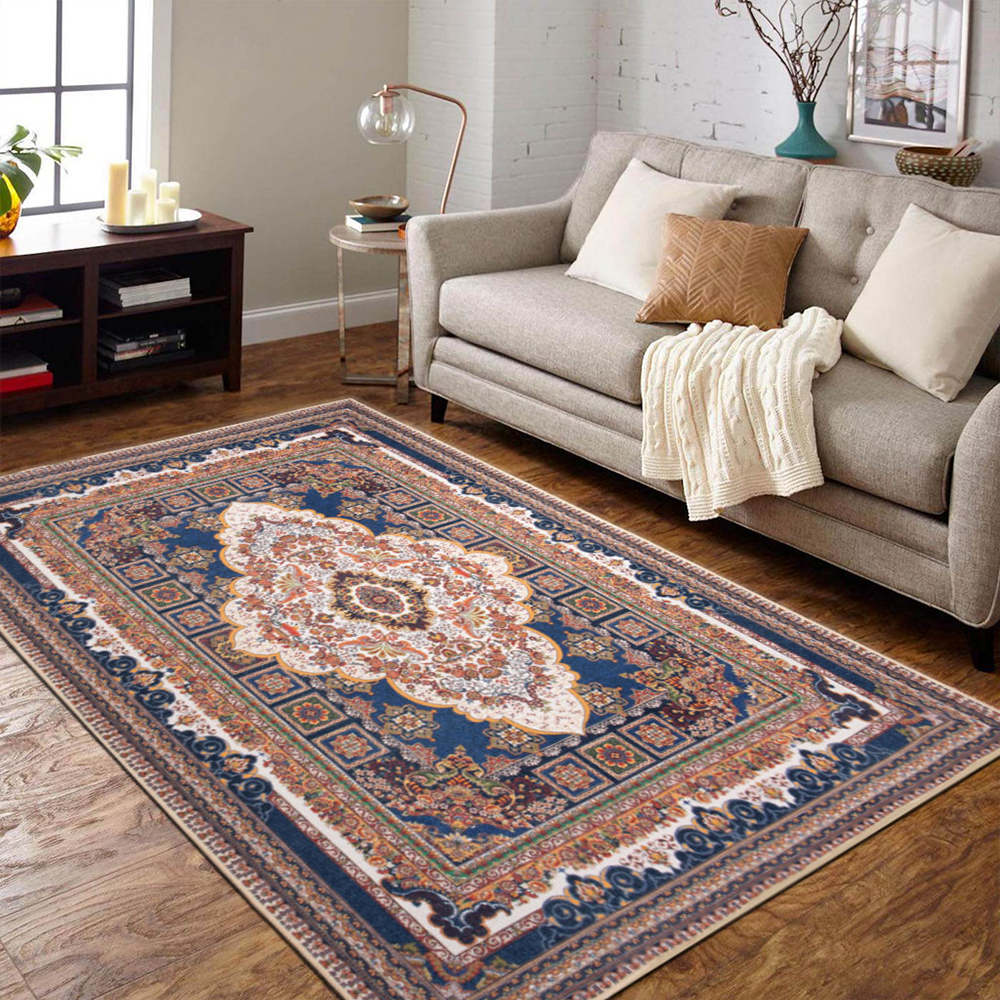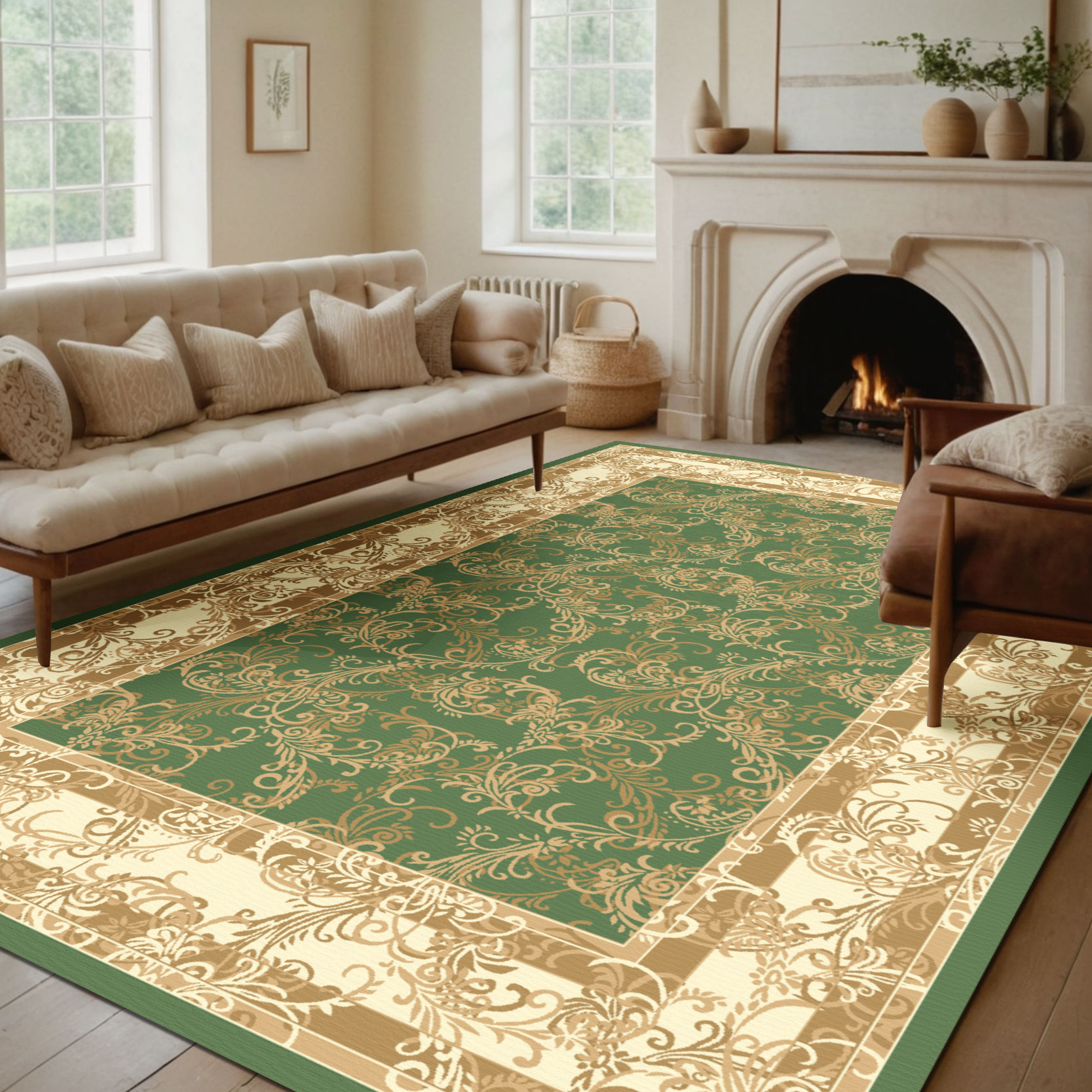


Lu Wanyao — After-Sales Service Supervisor
 Home / Author / Lu Wanyao — After-Sales Service Supervisor / Imitation Cashmere Printed Carpet: A Soft, Washable, and Customizable Area Rug Solution
  2026.08.29
 Lu Wanyao — After-Sales Service Supervisor
Modern interiors increasingly demand floor coverings that combine visual elegance, everyday comfort, practical maintenance, and dependable manufacturing quality. The Imitation Cashmere Printed Carpet is designed to answer these requirements in one versatile area rug. It offers the soft hand feeling associated with luxurious textiles while using durable polyester microfiber, digital printing, and a flexible TPR and cotton-fabric backing to create a product suited to contemporary residential and commercial environments.
Unlike traditional luxury rugs that may require specialized cleaning, careful handling, and a significant investment, this printed carpet is designed for more accessible daily use. It can be produced in a broad range of decorative styles, including Persian, Moroccan, modern, classic, geometric, and cartoon designs. Its 10–12 millimeter pile height provides a comfortable surface underfoot, while the non-slip backing helps the rug remain stable on smooth indoor floors.
The product is suitable for bedrooms, living rooms, dining rooms, kitchens, children’s rooms, entrances, and other indoor spaces. Standard sizes range from compact accent rugs to large room-covering formats, and custom dimensions can also be discussed for project, hospitality, retail, and private-label requirements. By combining textile engineering, efficient production, and design flexibility, the carpet provides a practical alternative to conventional high-cost decorative rugs.
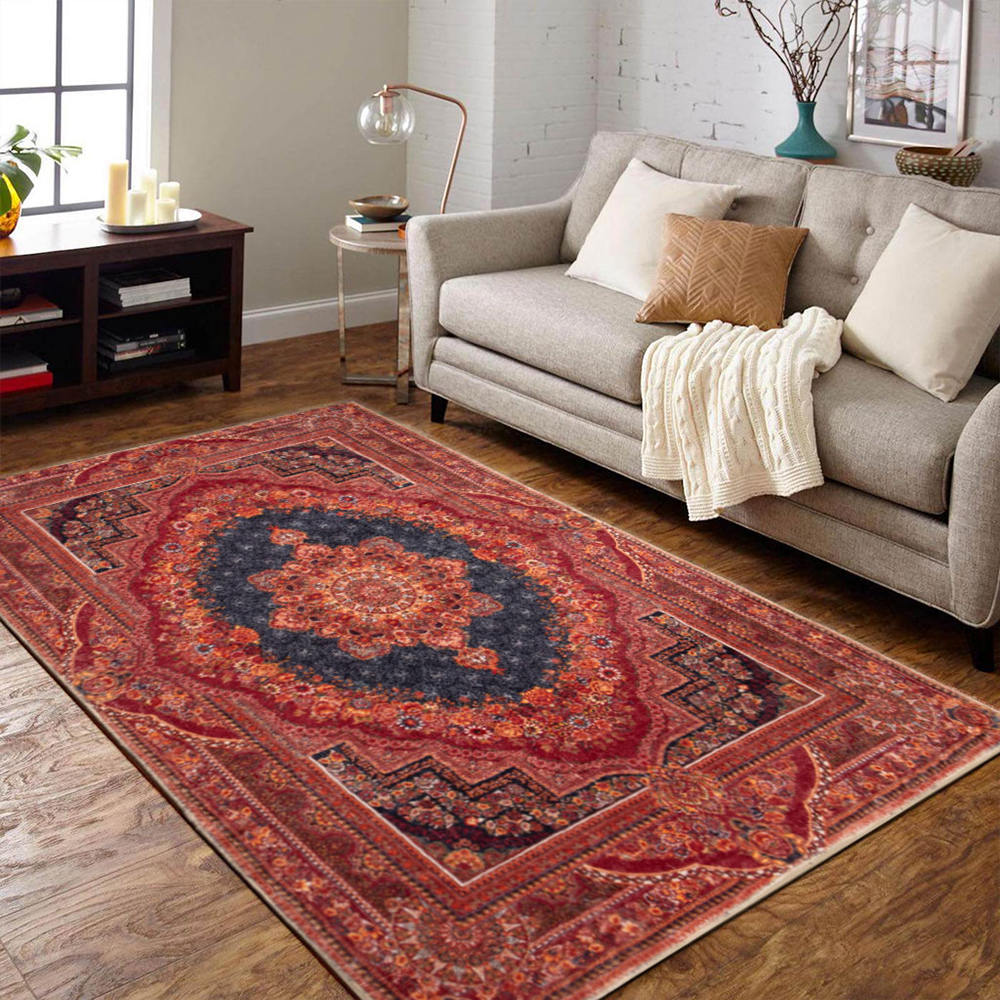
Imitation Cashmere Printed Carpet
Content
The Imitation Cashmere Printed Carpet is a rectangular indoor area rug made primarily from polyester microfiber. Its name refers to the exceptionally soft surface hand and plush appearance developed to resemble the comfort of cashmere, not to the use of genuine cashmere fiber. This distinction is important: the product is intended to provide a cashmere-like tactile experience through engineered synthetic fibers while offering the durability, washability, and production flexibility associated with polyester.
The carpet uses a bonded construction and has a stated weight of approximately 1500 grams per square meter. A pile height of 10–12 millimeters creates a noticeably cushioned surface without making the rug excessively difficult to fold, transport, or store. The back is constructed with TPR and cotton fabric. This combination supports the rug’s skid-resistant performance and contributes to its flexibility during handling.
Digital printing gives the product an important visual advantage. Instead of being limited to a small collection of permanently woven patterns, the carpet can be printed with a wide variety of artwork. Customers can request traditional Persian-inspired motifs, restrained contemporary graphics, distressed vintage effects, geometric layouts, playful children’s designs, or other decorative concepts. This makes the product adaptable to changing interior trends and different target markets.
| Product Attribute | Specification | Practical Benefit |
|---|---|---|
| Product type | Printed area rug | Suitable for decorative and functional indoor flooring applications |
| Surface material | Polyester microfiber | Soft touch, durability, and resistance to frequent household use |
| Approximate weight | 1500 grams per square meter | Balanced structure, comfort, and manageable handling |
| Pile height | 10–12 millimeters | Cushioned underfoot feeling and a fuller appearance |
| Construction | Bonded | Efficient production and consistent surface-to-backing assembly |
| Backing | TPR plus cotton fabric | Flexible support and skid-resistant performance |
| Shape | Rectangular | Easy placement beneath furniture and in common room layouts |
| Care | Machine washable | Convenient cleaning for active households and commercial interiors |
| Use environment | Indoor | Appropriate for bedrooms, living rooms, kitchens, dining areas, and children’s rooms |
| Available sizing | Standard and custom sizes | Supports retail, project, and customized purchasing programs |
Softness is one of the first qualities people notice when they step onto an area rug. A hard or coarse surface can make a room feel less welcoming, especially in bedrooms, family rooms, reading areas, and children’s spaces. The Imitation Cashmere Printed Carpet is developed with a soft microfiber surface intended to create a smooth, plush, and comfortable hand feeling.
Polyester microfiber is particularly suitable for this type of application because its fine fibers can be processed into a dense and gentle surface. The result is a tactile experience that resembles the smoothness and softness associated with premium natural fibers. At the same time, the synthetic construction offers practical benefits that can be difficult to achieve with delicate luxury materials.
For households, this balance is valuable. A rug should feel pleasant when used every day, but it must also tolerate regular foot traffic, furniture placement, children’s activities, and periodic washing. The imitation cashmere concept makes luxury-inspired comfort more accessible without requiring the care routine normally associated with highly delicate textiles.
The 10–12 millimeter pile height further supports the comfort of the rug. It gives the surface depth and cushioning while maintaining a profile that remains suitable for many standard indoor layouts. The pile is high enough to complement sofas, beds, coffee tables, dining furniture, and accent seating, yet the product can still be folded for storage and shipment.
Many premium-looking rugs are produced with expensive natural materials or complex weaving methods. These products can offer exceptional appearance and texture, but their purchase price may be unsuitable for large-scale furnishing programs, frequent style updates, rental properties, or budget-conscious consumers. Genuine cashmere is also not the normal material for a practical floor rug because of its cost, delicacy, and maintenance requirements.
This product takes a different approach. It uses polyester microfiber to reproduce a soft, refined surface at a more accessible production cost. Buyers can achieve a luxury-inspired interior effect without paying for a rare natural fiber. Retailers can therefore position the rug as an affordable premium product, while project buyers can cover more floor area within a controlled budget.
Traditional rugs may depend on a limited selection of woven or tufted patterns. Once the manufacturing setup is established, changing a design can require additional tooling, new yarn arrangements, or longer preparation. Digital printing offers greater flexibility for artwork changes and smaller design collections.
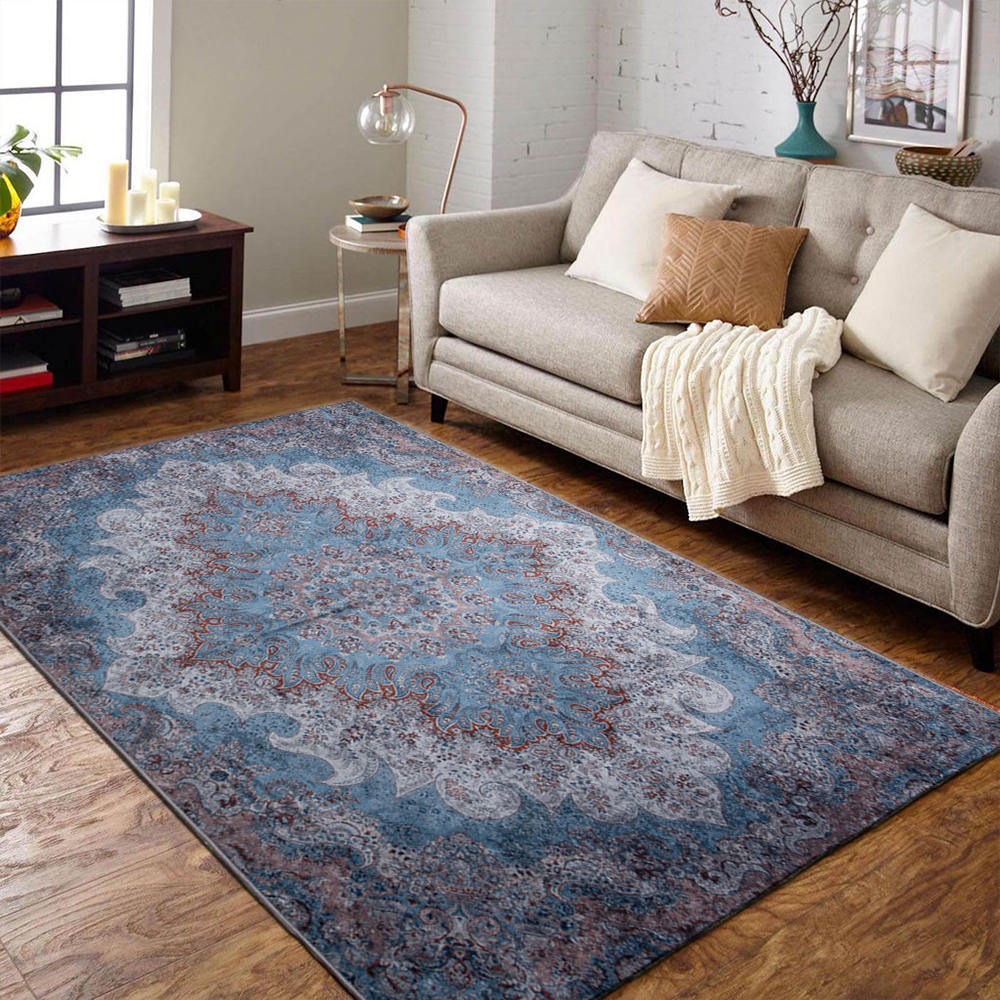
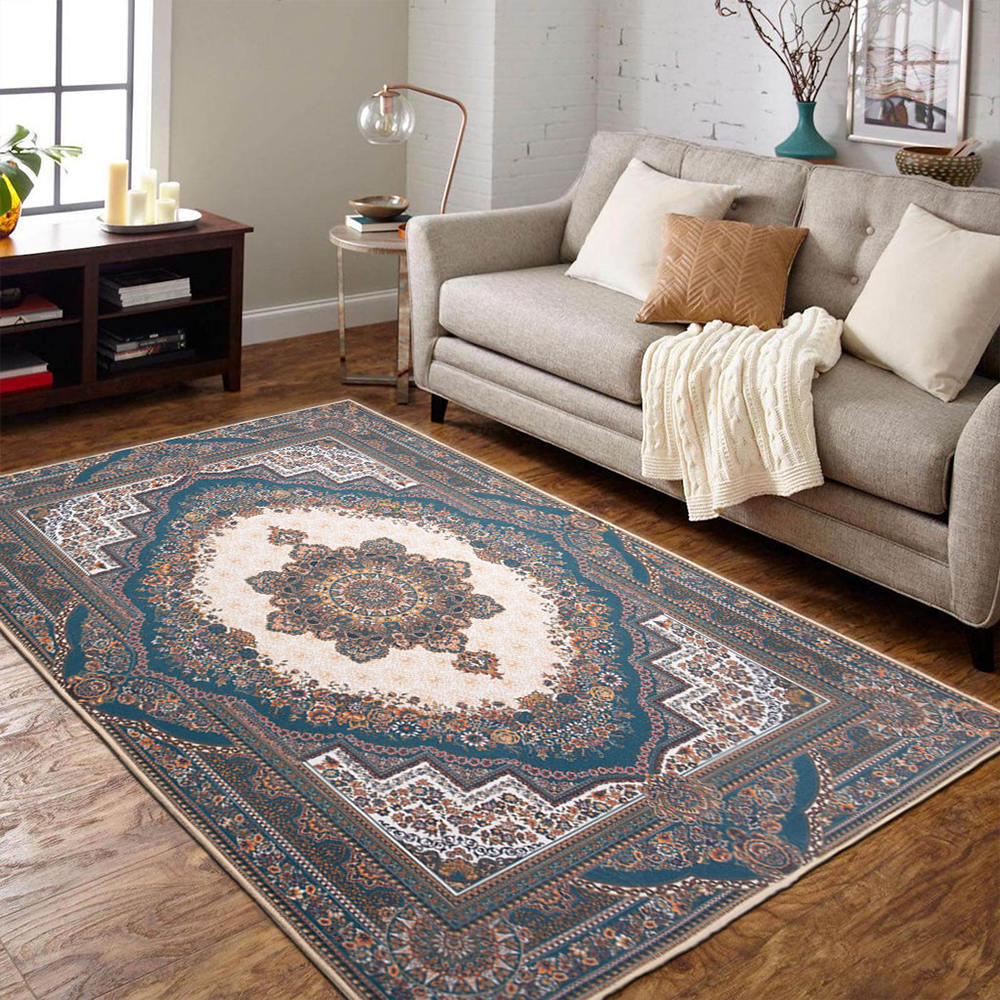
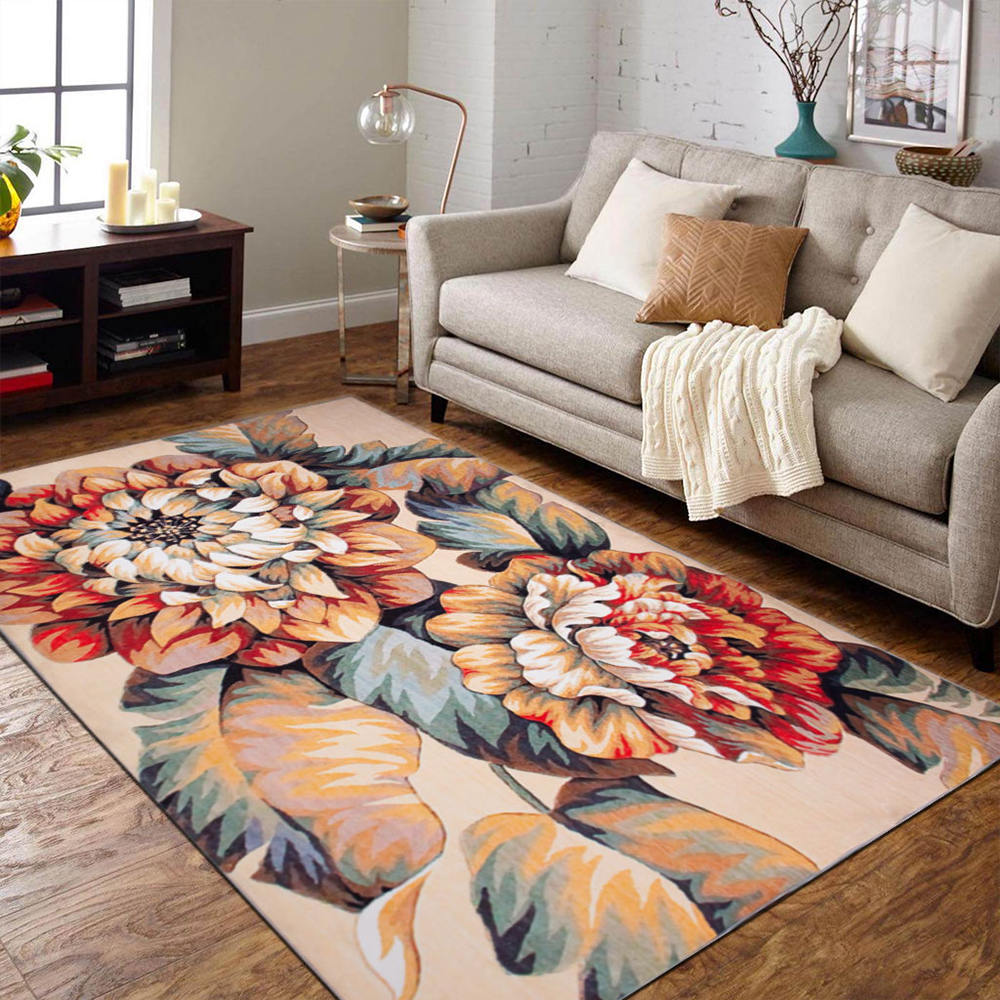
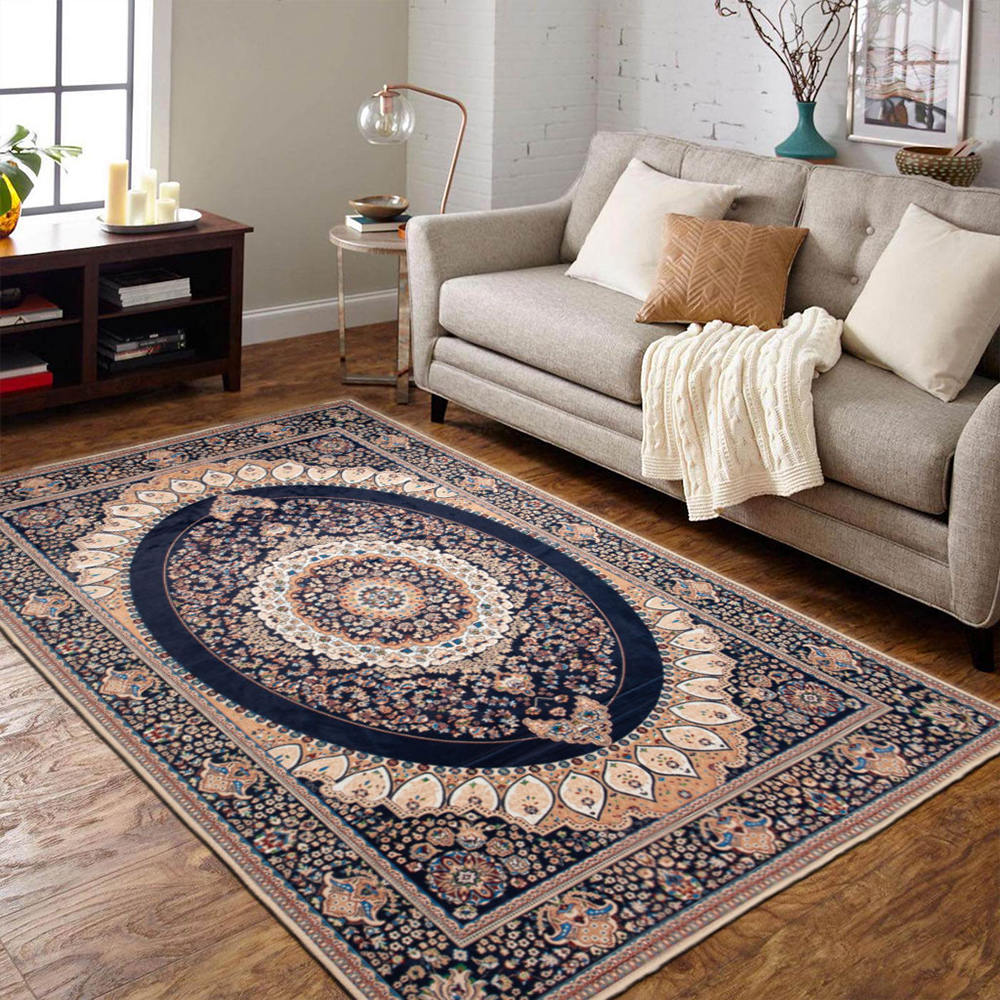
The Imitation Cashmere Printed Carpet can accommodate a broad design vocabulary. Persian patterns may appeal to customers seeking classical ornamentation. Moroccan-inspired designs can support relaxed, global, or bohemian interiors. Geometric and abstract patterns can serve modern apartments and offices. Cartoon artwork can be developed for children’s rooms and play areas. This variety enables distributors and retailers to address several customer groups with one basic product platform.
Digital printing also allows colors and visual effects to be adjusted more efficiently than with many conventional construction methods. A single base material can support different collections, seasonal launches, private-label programs, and customized project concepts. This reduces the limitations created by fixed designs and helps buyers respond more quickly to market preferences.
Maintenance is a major factor in the long-term value of an area rug. A beautiful product that cannot be cleaned conveniently may become difficult to use in homes with children, pets, frequent visitors, or food-related activity. The product is designed for machine washing, giving users a practical method for routine cleaning when the size and washing equipment are appropriate.
Machine-washable construction can also be attractive to hospitality, rental, student housing, and property management customers. These sectors often need furnishings that can be refreshed between occupants or maintained without costly specialized services. Proper washing procedures should always follow the purchaser’s care instructions, equipment capacity, and local handling requirements, but the washable design provides a significant convenience advantage over many non-washable rugs.
A rug that moves easily across a smooth floor can create inconvenience and may increase the risk of slips or curled edges. The TPR and cotton-fabric backing is designed to improve contact with the floor and provide skid-resistant performance. This helps the carpet remain more stable during normal use.
The backing is also flexible, allowing the product to be folded more easily than some rigidly constructed floor coverings. Easier folding supports efficient packaging, storage, and transportation. It can also make the rug more convenient for end users who need to relocate, clean, or temporarily store it.
Although the backing is intended to reduce movement, actual performance depends on the floor type, surface cleanliness, moisture, rug size, and traffic conditions. Users should place the carpet on a clean, dry, and suitable indoor surface and follow appropriate safety practices.
The available size range includes 2 by 3 feet, 2 by 6 feet, 3 by 5 feet, 4 by 6 feet, 5 by 7 feet, 6 by 9 feet, and 8 by 10 feet, with custom dimensions available for discussion. This range allows buyers to plan coordinated collections for small entrances, bedside spaces, living rooms, dining rooms, open-plan areas, and larger hospitality interiors.
Standard sizes simplify inventory planning and make it easier for retailers to present familiar dimensions to consumers. Custom sizes support special room plans, furniture programs, branded interiors, and contract orders. The combination of standard and custom options is a competitive advantage because it offers both purchasing efficiency and design adaptability.
In a living room, an area rug helps define the seating zone and visually connect sofas, chairs, tables, and decorative accessories. The Imitation Cashmere Printed Carpet adds a soft layer beneath the furniture while contributing pattern and color to the room. A larger format can be placed beneath the front legs of seating, while a smaller rug can be used beneath a coffee table or in a reading corner.
Persian-style patterns can create a classic focal point, while modern or geometric designs may support a cleaner contemporary interior. Because digital printing supports varied artwork, the same product concept can be introduced in neutral, colorful, distressed, or high-contrast collections.
Bedrooms benefit from soft flooring surfaces because residents often walk barefoot in this area. A rug placed beside the bed or extending beneath the bed can make the room feel warmer and more comfortable. The soft microfiber surface is particularly appropriate for quiet private spaces where tactile comfort is important.
Machine-washable construction can also be useful in bedrooms because dust and everyday particles accumulate over time. Smaller bedside formats are easier to handle, while larger sizes can create a unified design around the bed and other furniture.
Rugs in dining rooms and kitchens must be selected with attention to cleaning and placement. The washable design offers a practical benefit where occasional spills or food particles may occur. A carefully sized rug can sit beneath a dining table and chairs, helping visually anchor the eating area.
In kitchens, compact formats can be placed in selected zones where people stand frequently. Buyers should ensure that the rug does not interfere with cabinet doors, appliances, or walking paths. The skid-resistant backing is useful in these applications, but the floor should remain dry and free from grease or other substances that could affect traction.
Children’s rooms require floor coverings that are comfortable, visually engaging, and relatively easy to maintain. The printed format allows the development of cheerful cartoon graphics, educational motifs, geometric patterns, and gentle color palettes. The soft surface creates a more comfortable area for floor play, reading, or relaxation.
Washability is an important advantage for family use. Parents can more easily maintain the rug as part of a regular cleaning routine. The rug should be placed flat, checked periodically for edge lifting, and used according to the appropriate safety conditions of the room.
The product can also be considered for selected commercial interiors, including offices, showrooms, furnished apartments, hospitality spaces, and retail displays. Its combination of visual customization, manageable handling, and practical maintenance can support interior programs that require coordinated floor coverings.
For commercial use, purchasers should evaluate expected traffic, cleaning frequency, fire and safety requirements, local regulations, and installation conditions before ordering. The carpet is specified for indoor use, and commercial suitability should be confirmed according to the requirements of each project.
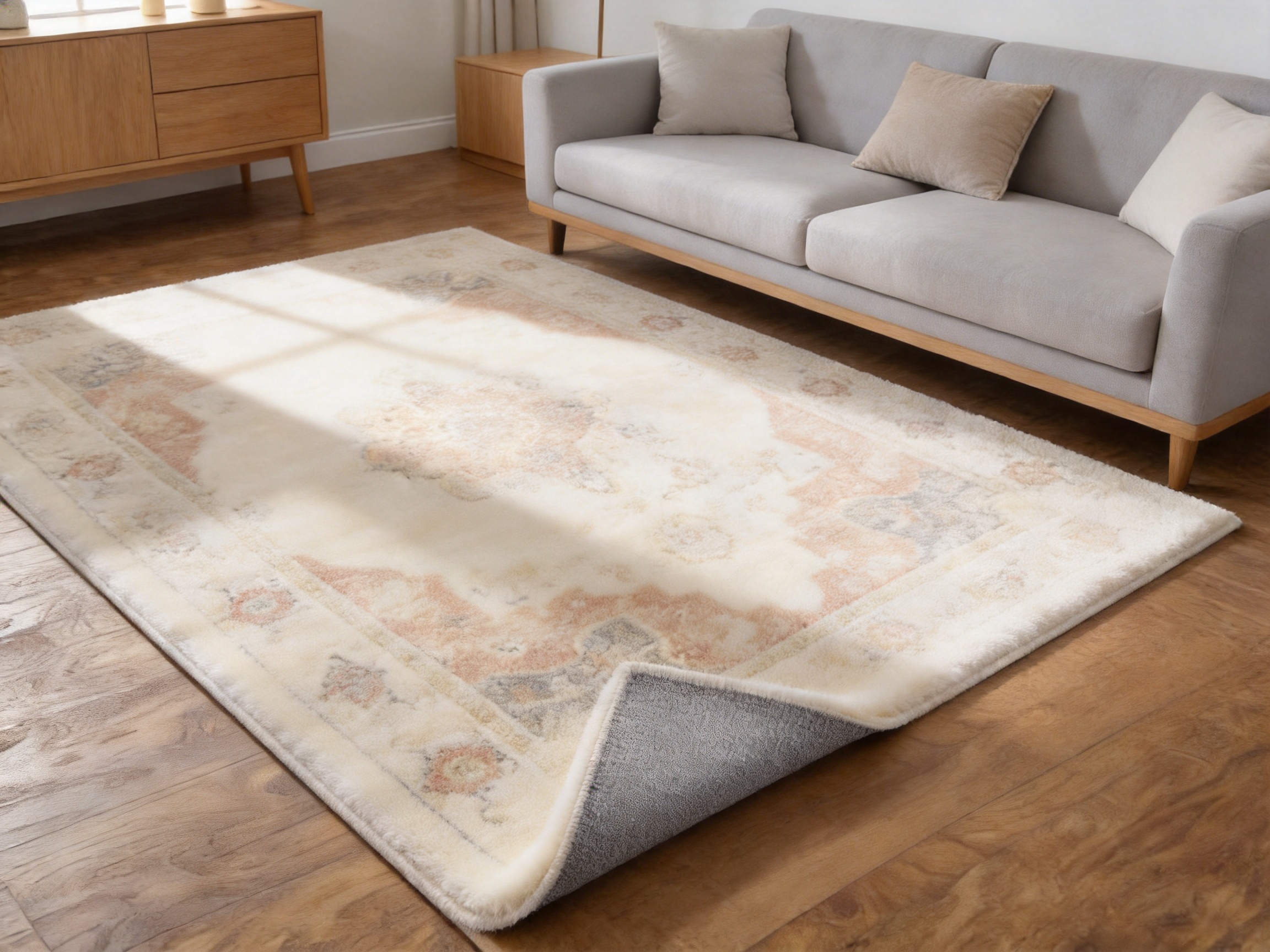
Digital printing is central to the product’s identity. It permits detailed artwork to be transferred onto the carpet surface with a high degree of design flexibility. Rather than depending only on the color limitations of pre-dyed yarns, the production process can support elaborate illustrations, tonal transitions, decorative borders, distressed effects, and multi-color compositions.
This process is particularly valuable for area rugs because consumers often choose a rug as a visual statement. The floor covering may establish the room’s color palette or reinforce a particular style. A manufacturer that can adapt artwork efficiently is better positioned to respond to retailers, interior designers, distributors, and project buyers.
Design development generally begins with the selection or preparation of artwork. The design is reviewed for scale, color balance, repeat structure, and suitability for the selected rug dimension. The artwork may then be adjusted to account for the texture and surface characteristics of the polyester material. Sampling is important because colors displayed on a screen can differ from the final printed result under different lighting conditions.
For buyers seeking customized products, it is useful to define the intended room, target customer, color direction, rug dimensions, packaging requirements, and expected order volume at the beginning of the development process. Clear communication helps the manufacturer create a design that is visually attractive and technically appropriate for the final product.
The range of possible styles also makes this carpet appropriate for collection-based merchandising. A retailer may develop separate classic, modern, children’s, seasonal, and neutral collections while using the same core material and construction platform. This can simplify product organization and support a coherent brand or sales strategy without making every design identical.
Polyester microfiber forms the primary surface material. The fine fiber structure supports a soft hand feeling and helps create the plush visual character expected from an imitation cashmere product. Polyester is widely used in home textiles because it offers a practical balance of durability, colorability, and cost control.
For a floor covering, the material must tolerate repeated contact and regular handling. The product description identifies the polyester microfiber as contributing to durability and fade resistance. Actual performance can vary according to exposure, cleaning method, traffic, and use conditions, but the material selection is well suited to a washable decorative rug format.
The carpet uses bonded construction, in which the surface and backing are assembled into a unified product. This approach supports efficient production and can provide a consistent relationship between the upper textile layer and the supporting base. Efficient bonding is especially important for products intended to be folded, packaged, shipped, and periodically washed.
Manufacturing control is necessary to achieve uniform adhesion, stable dimensions, and clean edges. The company’s integrated production capabilities allow surface, backing, printing, and finished-carpet processing to be managed within a coordinated supply chain. This can help reduce communication gaps between separate suppliers and improve control over lead time and quality.
The TPR and cotton-fabric backing is selected to support skid resistance and flexibility. TPR, or thermoplastic rubber, is commonly used where a balance of elasticity, surface grip, and processability is needed. The cotton-fabric component can contribute structural support and help create a stable base for the bonded assembly.
The backing also affects the user experience beyond traction. A flexible backing allows the rug to be folded more easily, which benefits packaging and storage. It can also help the product settle into the room after unpacking. As with any textile floor covering, the rug should be placed on a clean and level surface and allowed to lie flat before extended use.
The manufacturer operates in Shaoxing, Zhejiang, a region recognized for its extensive textile ecosystem. This location provides access to textile knowledge, supporting suppliers, production resources, and experienced technical personnel. The company specializes in carpets, rug fabrics, and finished carpet products rather than treating the rug as an isolated commodity.
One of the company’s central strengths is its integrated production structure. It has weaving, dyeing and printing factories, and finished carpet processing factories. Managing these stages through related facilities provides greater control over the production chain. Instead of relying entirely on disconnected external vendors, the company can coordinate material development, printing, backing, assembly, finishing, and quality checks more efficiently.
This integrated model can offer several advantages to buyers. First, it may shorten communication routes when changes are needed. Second, it supports better coordination between the printed surface and the backing construction. Third, it improves visibility over production scheduling. Fourth, it enables the manufacturer to investigate quality issues more directly because the relevant processes are managed within a connected operating system.
Lead-time control is especially important for wholesale customers and project buyers. Delays in fabric production, printing, or finishing can affect store launches, seasonal programs, interior installation schedules, and promotional campaigns. An integrated supply chain does not eliminate every possible delay, but it gives the manufacturer a stronger foundation for planning and response.
The company also has a team of more than 20 fabric engineers. This technical group develops new carpet fabrics each quarter based on market trends and customer requirements. Regular development helps the manufacturer respond to changes in color preferences, surface textures, room applications, sustainability expectations, and retail positioning.
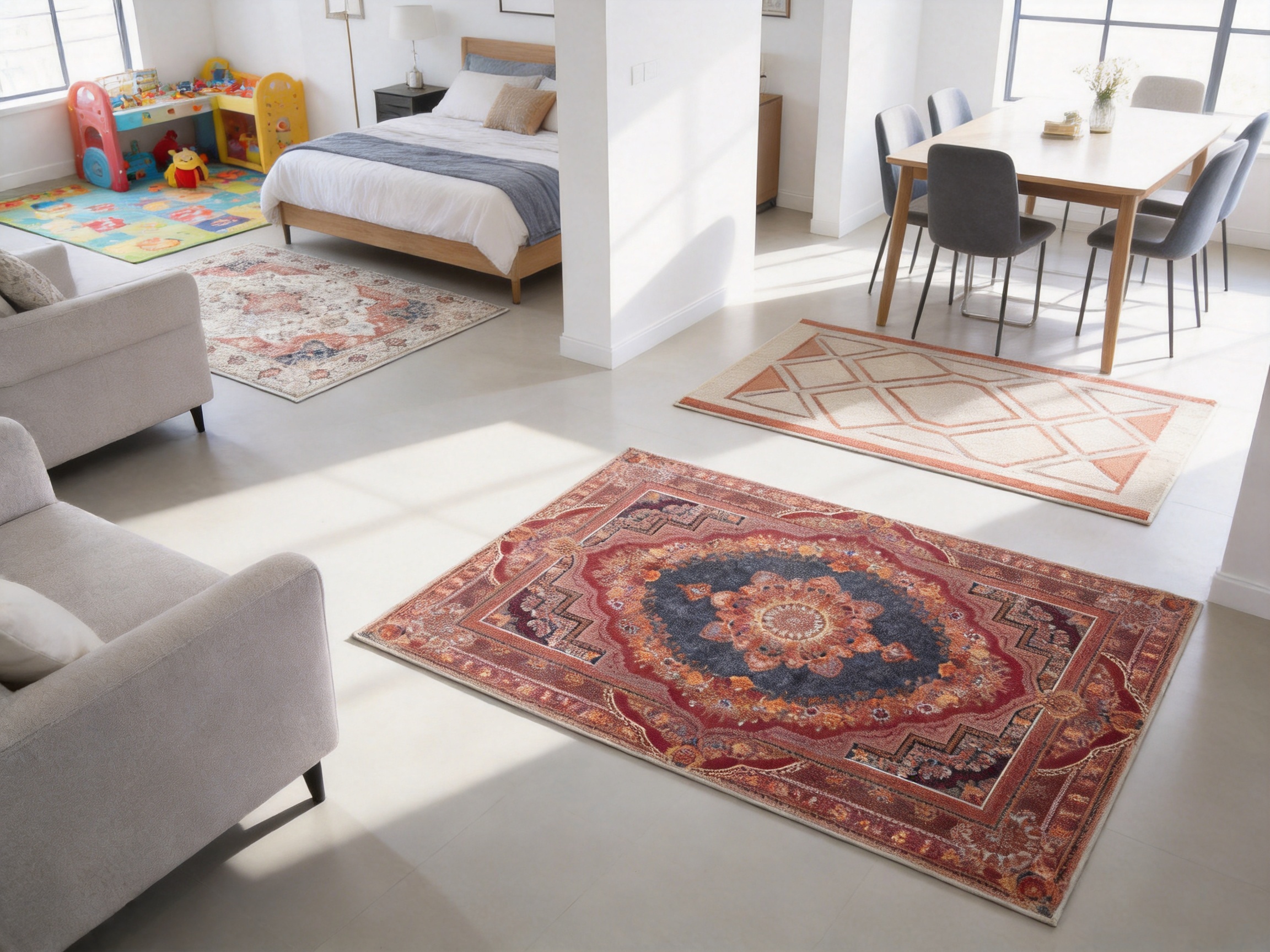
Area rugs are products in which consistency matters. Buyers expect the design to be positioned correctly, the surface to feel uniform, the backing to remain attached, and the finished dimensions to correspond with the order. Small variations can affect how a rug looks beneath furniture or how multiple rugs appear in the same interior.
An integrated manufacturing system helps organize quality control across several stages. Material inspection can focus on fiber quality, base fabric condition, and backing suitability. During printing, attention can be given to color reproduction, pattern alignment, surface coverage, and clarity of detail. During bonding and finishing, personnel can review adhesion, edges, dimensions, flatness, and overall appearance.
For wholesale and customized programs, quality expectations should be established before production. A clear specification may include approved artwork, color references, size tolerances, pile height, backing composition, packaging details, labeling, and inspection procedures. Samples and pre-production approvals can help align expectations between the purchaser and manufacturer.
The product’s model number is identified as 100001, and the listed brand is Bene. Buyers placing commercial orders should confirm the final product specification, available colors, packaging, certifications, minimum order requirements, and delivery terms with the supplier. Product information may be refined for different markets or order configurations.
Customization is one of the most valuable advantages of a printed carpet platform. Buyers may want a particular pattern, color family, size, label, packaging format, or collection theme. Digital printing makes it possible to explore these options without limiting the product to a single permanent design.
Private-label retailers can use custom artwork to create a differentiated product range. Hospitality and interior design companies can coordinate rug graphics with furniture, wall coverings, curtains, or corporate colors. Children’s product distributors can request age-appropriate artwork. Seasonal retailers can develop collections for different times of the year. These possibilities make the carpet more adaptable than a fixed assortment of standard designs.
A successful customization program requires a structured development process. The buyer should first provide the design concept or artwork, preferred size, intended application, target price, and required delivery schedule. The manufacturer can then assess whether the artwork is suitable for printing and whether the selected size and construction are appropriate.
Sampling should be treated as an important stage rather than an optional formality. A sample allows the buyer to evaluate softness, pile appearance, color, pattern scale, backing grip, edge finishing, and overall proportions. It also provides an opportunity to check whether the rug fits the intended furniture arrangement or retail presentation.
Once the sample is approved, the production team can use it as a reference for bulk manufacturing. Buyers should understand that slight variation may occur between batches because of material, equipment, lighting, and production conditions. Clear approval standards help manage these differences and preserve consistency across repeat orders.
Environmental responsibility is increasingly important in the textile industry. The manufacturer identifies ecological protection and consumer health experiences as important priorities. It invests in sustainable materials and production methods, including recycled polyester and water-saving dyeing techniques.
Recycled polyester can help reduce dependence on newly produced petroleum-based raw materials when the appropriate recycled feedstock and certified supply chain are used. Water-saving dyeing and printing methods can contribute to more efficient resource use. The environmental performance of any finished product depends on the full production chain, including fiber sourcing, energy consumption, chemicals, water management, packaging, transportation, product lifespan, and end-of-life treatment.
The company has passed OEKO-TEX and Global Recycled Standard certifications according to the supplied company information. Buyers should request current certificates and verify the exact scope of each certification for the relevant material, factory, and product order. Certification details can vary by facility and product line, so documentation should be reviewed before making regulatory or marketing claims.
Durability and washability can also support a more responsible product life cycle. A rug that remains attractive and functional through repeated use may not need to be replaced as frequently as a short-lived alternative. However, responsible care remains important. Washing should be performed according to the care instructions, and users should avoid unnecessary high-temperature treatment or excessive detergent consumption.
The carpet is identified as machine washable, which is a major convenience feature. Before washing, the user should check the rug’s dimensions against the capacity of the washing machine. Smaller sizes are generally easier to handle, while larger formats may require a suitably sized commercial or household machine.
Loose dirt should be removed before washing. The rug should be washed according to the supplier’s care instructions, using an appropriate cycle and detergent. Overloading a machine can reduce cleaning quality and place unnecessary stress on both the rug and the equipment. After washing, the rug should be dried thoroughly before being returned to the floor.
Regular vacuuming or gentle surface cleaning can help limit the accumulation of dust and particles between deeper washes. Spills should be addressed promptly to reduce the chance of staining. Harsh chemicals, abrasive brushes, and unsuitable bleaching agents may affect the print, surface fibers, or backing, so they should not be used unless specifically approved.
For the best appearance, the rug should be placed on a clean, dry, and level indoor surface. Furniture should be moved carefully rather than dragged across the carpet. Periodic repositioning can help distribute wear in high-use areas. If the rug is stored, it should be clean and completely dry before folding and placing it in a dry location.
The flexible construction is helpful for packaging and transportation. Unlike rigid floor coverings, the carpet can be folded for shipment and storage. This can reduce the space required in cartons and warehouses, although the final packaging method depends on the selected size, order quantity, buyer requirements, and transportation conditions.
Wholesale buyers should confirm packaging specifications before production. Important details may include individual polybags, cartons, hangtags, woven labels, care labels, barcode placement, carton dimensions, carton weight, palletization, and shipping marks. Well-planned packaging supports both warehouse management and retail presentation.
After unpacking, a folded rug may show temporary creases. Placing it flat on the floor and allowing it to relax can help improve its appearance. Avoiding excessive heat during the flattening process protects the synthetic surface and backing. Any specific unpacking instructions provided by the manufacturer should take priority.
For international orders, buyers should also confirm the material declaration, product labeling, customs documentation, inspection requirements, and destination-market regulations. These factors are separate from the aesthetic and technical qualities of the rug but are essential to a smooth commercial transaction.
| Rug Category | Typical Strength | Potential Limitation | Position of the Imitation Cashmere Printed Carpet |
|---|---|---|---|
| Hand-knotted natural-fiber rug | Artisanal character and traditional craftsmanship | High cost, longer production time, and more demanding care | Offers a more accessible, washable, and scalable alternative |
| Low-pile printed rug | Easy clearance beneath doors and furniture | May provide less cushioning and a less plush hand | Provides a higher 10–12 millimeter pile for a softer feel |
| Basic flat mat | Simple handling and low purchase price | Limited comfort and decorative impact | Adds a more luxurious surface and broader design range |
| Thick traditional carpet | Substantial body and insulation | Can be heavy, difficult to wash, and harder to store | Balances cushioning with foldability and machine-washable care |
| Fixed-pattern woven rug | Stable traditional designs | Less flexible for rapid design changes or custom artwork | Uses digital printing for broader customization possibilities |
| Unbacked decorative textile | Lightweight and easy to fold | May move more easily on smooth floors | Uses TPR and cotton-fabric backing for improved skid resistance |
This comparison is intended to explain the product’s market position rather than suggest that one rug category is appropriate for every application. Buyers should select floor coverings according to traffic, budget, cleaning requirements, design objectives, safety conditions, and local regulations.
Shaoxing is widely recognized as a major textile production center. A manufacturer located within this type of industrial environment can benefit from access to specialized labor, material suppliers, printing resources, finishing services, logistics networks, and textile development experience. These advantages can be important when products require coordinated work across fabric production and finished-goods manufacturing.
For customers, proximity to a mature textile supply chain can support more efficient sample development and faster communication with technical teams. It may also provide access to a wider selection of surface materials, backing options, printing techniques, and packaging resources. When a company controls or coordinates several production stages, it can respond more efficiently to changes in specification.
The company’s stated focus on textile technology reflects this environment. Its business model combines fabric engineering with finished carpet manufacturing, allowing it to develop new materials and convert them into completed products. This approach is different from simply purchasing a ready-made fabric and adding a basic backing. It emphasizes product development, process integration, and continuous improvement.
Interior design preferences change continuously. Consumers may move from ornate traditional designs to muted modern patterns, or from monochrome palettes to expressive colors. Children’s room trends also change, and commercial buyers may require collections that coordinate with specific furniture or architectural concepts.
The company’s team of more than 20 fabric engineers develops new carpet fabrics each quarter based on market trends. Regular development helps maintain a pipeline of new surface concepts and allows the manufacturer to explore improvements in texture, color, print appearance, backing, and application.
Quarterly development can benefit buyers that need fresh collections. Retailers may use new patterns to support seasonal promotions. Distributors can refresh catalogs without changing the entire product category. Designers can evaluate new textures and visual directions for residential or commercial projects.
Innovation should be evaluated through samples and documented specifications. A new appearance is valuable only when it is supported by suitable construction, stable production, acceptable care performance, and reliable delivery. The company’s combination of engineering resources and manufacturing facilities provides a foundation for balancing creative development with practical production needs.
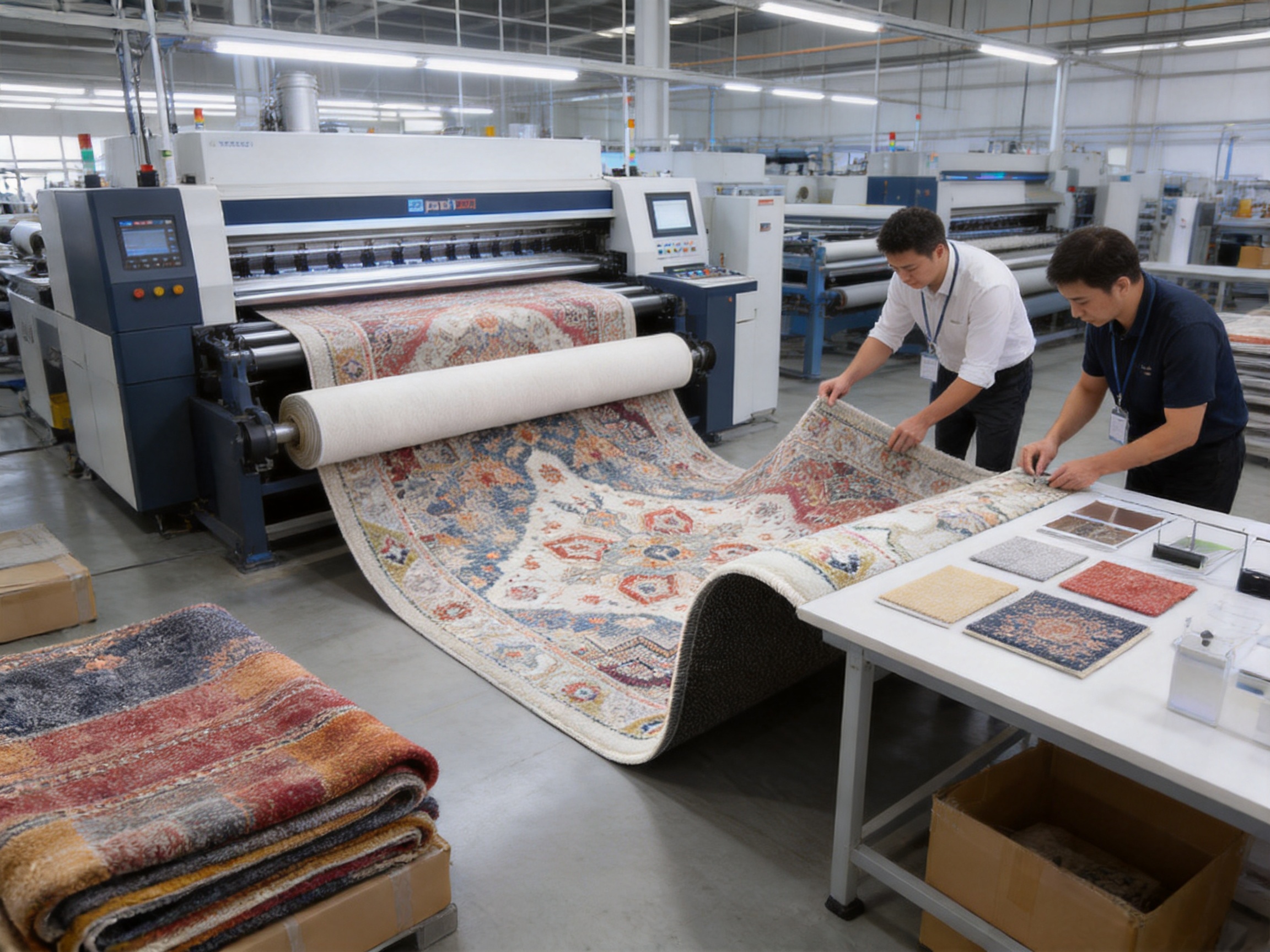
The first step is to identify where the rug will be used. A bedroom, living room, kitchen, children’s room, retail display, and hospitality project may require different sizes, designs, packaging, and performance expectations. The intended use also influences the preferred color palette and surface pattern.
Standard sizes can simplify ordering and inventory. Custom sizes may be more suitable for coordinated interior projects or private-label programs. Buyers should measure the intended space carefully and consider furniture placement, door clearance, walking routes, and the visual proportion of the rug.
Customers can select from Persian, Moroccan, modern, classic, geometric, cartoon, or other design approaches. It is useful to provide reference images, color samples, pattern files, or a written design brief. The manufacturer can then assess how the artwork will translate to the selected carpet surface.
A sample should be reviewed for surface softness, color, pattern scale, pile appearance, backing, dimensions, edge quality, and general suitability. Buyers should inspect the sample in lighting similar to the final retail or interior environment whenever possible.
Before bulk production, the buyer should confirm quantity, price, packaging, labeling, payment terms, inspection standards, delivery schedule, documentation, and certification requirements. Written confirmation reduces the risk of misunderstandings during production.
For continuing programs, retain approved samples, artwork files, color references, and inspection records. Repeat orders should be compared with the approved standard. This practice helps buyers build a consistent collection over time.
The product can be positioned in several ways depending on the buyer’s sales channel. In a home furnishings store, it may be presented as an affordable luxury rug with a soft cashmere-like feel. In an online marketplace, the machine-washable feature, non-slip backing, and broad size range can be emphasized. In a project catalog, the key advantages may be digital customization, coordinated designs, and scalable supply.
Retailers can create good-better-best assortments by offering smaller accent rugs, mid-sized room formats, and large statement pieces. Coordinated patterns can encourage customers to purchase more than one size for different rooms. A selection of neutral and decorative designs can appeal to both conservative and trend-focused shoppers.
For wholesalers, the product’s synthetic composition can simplify cost planning and help maintain a competitive price. Polyester microfiber is suitable for high-volume production, and digital printing reduces the need to maintain separate woven structures for every design. The result is a product that can serve markets seeking decorative impact without the price and maintenance burden of more exclusive rug categories.
Private-label buyers may also benefit from the manufacturer’s ability to combine textile development, printing, and finished processing. Rather than purchasing a generic rug and applying a limited customization, buyers can develop a more coherent product identity from the artwork stage through packaging and delivery.
Clear product communication is essential. The carpet is an imitation cashmere product, meaning that its soft surface is designed to resemble cashmere but is made from polyester microfiber. It should not be marketed as genuine cashmere or as a natural-fiber rug.
The carpet is specified for indoor use. Buyers should not assume that it is suitable for exposed outdoor locations, areas with continuous moisture, or applications with unusually heavy industrial traffic. Outdoor performance, fire classification, and specialized contract requirements should be verified separately if relevant.
Machine washability is a major feature, but washing requirements depend on rug size, equipment capacity, detergent, cycle selection, drying conditions, and product instructions. A buyer should not assume that every size can be washed in every household machine. Larger rugs may require commercial equipment or an alternative cleaning method.
The TPR backing is designed to be skid resistant, but no floor covering can guarantee complete immobility under every condition. Moisture, dust, grease, floor finish, slope, and traffic can affect performance. The rug should be used on a suitable clean surface and checked regularly.
These considerations do not diminish the product’s value. Instead, they help buyers match the rug with the correct environment and communicate its benefits accurately. Honest specifications support customer satisfaction, repeat purchasing, and long-term business relationships.
It means the carpet is designed to provide a soft, plush hand feeling similar to the comfort associated with cashmere. The actual surface material is polyester microfiber, not genuine cashmere. This construction makes the product more practical and accessible for everyday flooring use.
No. The supplied specification identifies the product for indoor use. It is intended for rooms such as bedrooms, living rooms, dining rooms, kitchens, children’s rooms, and other indoor areas. Outdoor suitability should not be assumed without separate testing and confirmation.
Yes, the product is identified as machine washable. Users should select a machine with sufficient capacity for the rug size and follow the manufacturer’s care instructions. The carpet should be dried completely before being placed back on the floor.
The TPR and cotton-fabric backing is designed to be skid resistant, and the product information states that no additional rug pad is needed. However, actual stability depends on the flooring surface and room conditions. A purchaser should evaluate the installation environment and use an additional pad if local safety conditions require one.
The product can be digitally printed with many design directions, including Persian, Moroccan, modern, classic, geometric, and cartoon styles. Custom artwork and color concepts can be discussed with the manufacturer, subject to technical review and order requirements.
Listed standard sizes include 2 by 3 feet, 2 by 6 feet, 3 by 5 feet, 4 by 6 feet, 5 by 7 feet, 6 by 9 feet, and 8 by 10 feet. Custom sizes are also available for suitable orders.
The stated pile height is 10–12 millimeters. This provides a comfortable and relatively full surface while keeping the rug flexible enough to fold and handle.
The backing is made from TPR and cotton fabric. This structure is intended to support flexibility, bonding, and skid-resistant performance.
Yes. The listed shape is rectangular, which makes it suitable for placement beneath beds, sofas, dining tables, coffee tables, and other common furniture arrangements.
The listed weight is 1500 grams per square meter. Final shipping weight may vary according to size, packaging, labels, and order configuration.
The product platform is suitable for customization discussions. Private-label buyers should confirm artwork, labels, packaging, minimum quantities, samples, certifications, and delivery terms with the manufacturer before placing an order.
Buyers should request a sample and assess the color, pattern scale, surface softness, pile appearance, backing, dimensions, edge quality, and overall suitability. The approved sample should be retained as the reference for bulk production.
The company is described as having weaving, dyeing and printing factories, finished carpet processing facilities, and a team of more than 20 fabric engineers. This integrated structure allows it to participate in fabric development, printing, assembly, customization, quality control, and lead-time management.
The company identifies recycled polyester and water-saving dyeing techniques among its sustainability initiatives. It also states that it has passed OEKO-TEX and Global Recycled Standard certifications. Buyers should request current documentation and verify its scope for the specific product and facility.
The Imitation Cashmere Printed Carpet combines a soft cashmere-like hand feeling with the practical advantages of polyester microfiber. Its 10–12 millimeter pile, 1500 grams per square meter weight, machine-washable construction, and TPR and cotton-fabric backing make it suitable for everyday indoor environments. The product is designed to provide comfort, decorative impact, flexible handling, and convenient maintenance in one area rug format.
Its advantages over many conventional alternatives include accessible luxury styling, broad digital-printing possibilities, a wide standard size range, custom sizing, washable care, and skid-resistant backing. These qualities give retailers, wholesalers, interior designers, and project buyers more flexibility when developing product collections or furnishing rooms.
The manufacturer strengthens this product proposition through integrated textile production. Its connection between weaving, dyeing and printing, and finished carpet processing supports closer control over materials, design development, quality, and lead time. A team of more than 20 fabric engineers contributes to continuing fabric innovation and customized product development.
For buyers seeking a decorative rug that looks refined, feels soft, and remains practical for regular use, this product provides a balanced solution. Its best value is achieved when the design, size, care requirements, packaging, and intended environment are clearly matched to the customer’s needs. With appropriate specification and responsible use, it can serve as a versatile addition to residential collections, commercial interiors, and customized textile programs.
1. Product specification sheet for the Imitation Cashmere Printed Carpet, including material, size, pile height, backing, care, and application information.
2. Company information supplied for Zhejiang Benyi Textile Technology Co., Ltd., including manufacturing capabilities, engineering resources, customization services, and textile development activities.
3. General textile manufacturing principles relating to polyester microfiber, digital printing, bonded carpet construction, and thermoplastic rubber backing.
4. General consumer guidance for the care, washing, drying, storage, and indoor placement of synthetic textile floor coverings.
5. Sustainability information supplied by the manufacturer concerning recycled polyester, water-saving dyeing methods, OEKO-TEX certification, and Global Recycled Standard certification.

ADD: No.75 Zhenyuan Road, Yuecheng District, Shaoxing City, Zhejiang Province, China 312000

Tel : +86-189 6750 9795

FAX : +86-0575-8803 2773

Email : fisher@benetextile.com

Copyright © Zhejiang Benyi Textile Technology Co., Ltd. All Rights Reserved. Carpets and Rugs Manufacturer

 English
 Français
 Deutsch
 عربى
عربى