

Shen Ruoxi — International Product Sales Executive
 Home / Author / Shen Ruoxi — International Product Sales Executive / Soft PFP White Cashmere Fabric: A Versatile Carpet Material for Premium Rugs and Textile Applications
 2026.10.16
 Shen Ruoxi — International Product Sales Executive
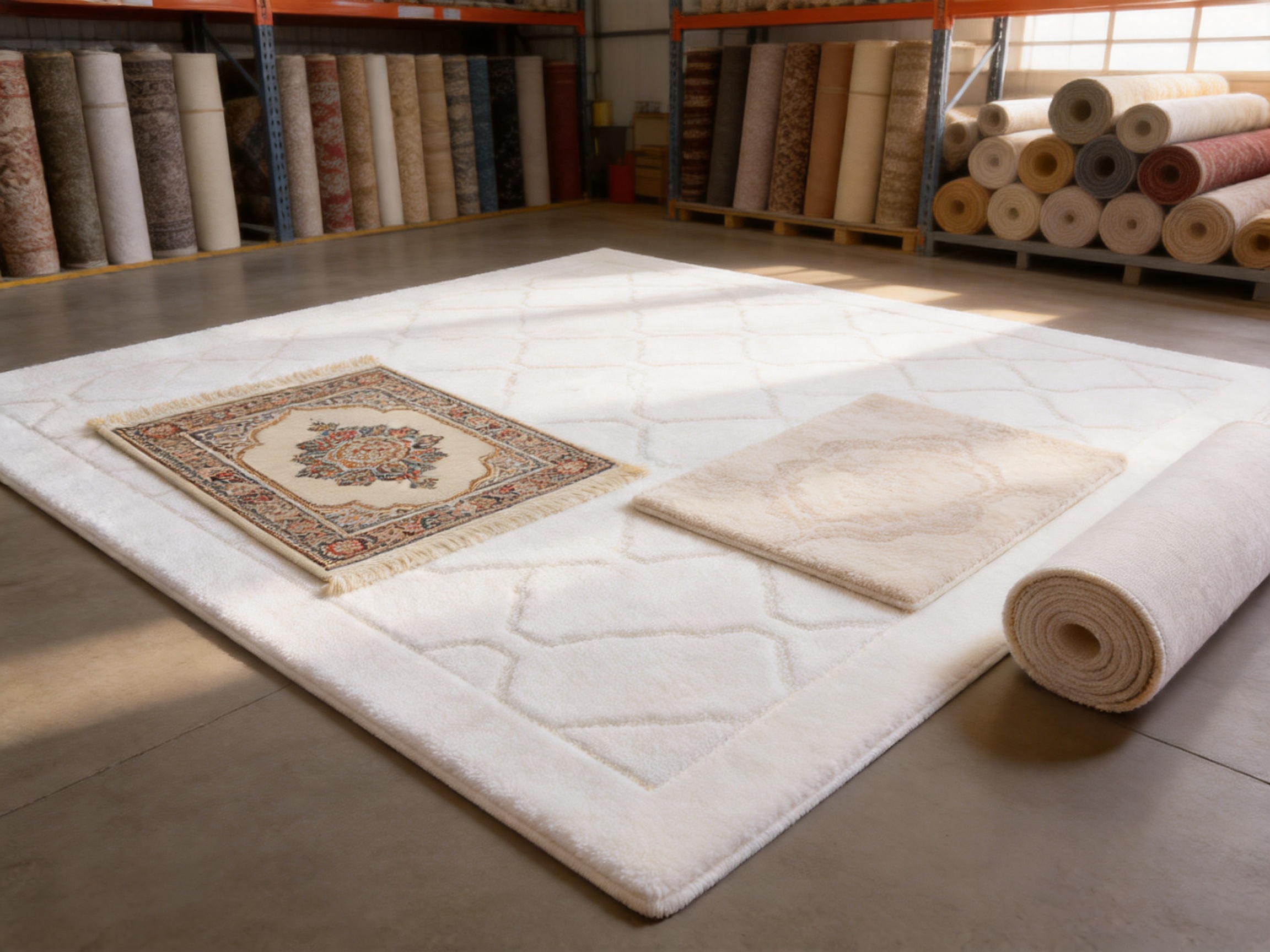
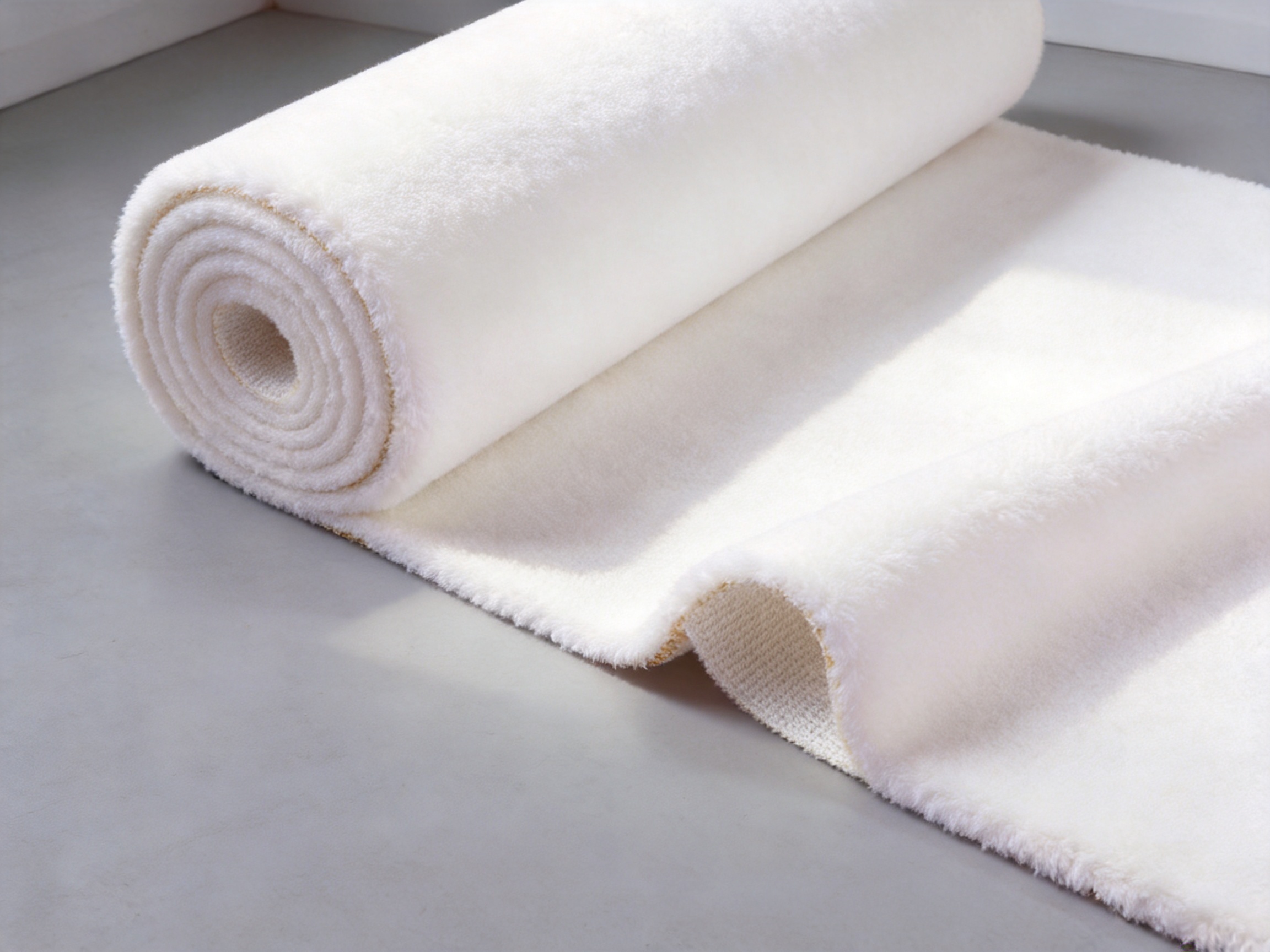
Soft PFP White Cashmere Fabric is a premium carpet fabric developed for manufacturers, wholesalers, interior furnishing brands, and textile converters seeking a soft, printable, durable, and adaptable material. Produced from 100% polyester microfiber, this knitted fabric combines a substantial 500gsm weight with a 6–8mm pile height to create a plush surface that resembles the comfortable hand feel of cashmere while retaining the practical advantages required for modern home textile production.
The fabric is supplied in a clean PFP white finish, meaning that it is prepared for printing. This pristine white base provides an effective surface for digital printing, paper transfer printing, custom patterns, branded artwork, decorative motifs, and other visual treatments. It can also be used in its natural white form when a simple, bright, and minimalist appearance is preferred.
With standard widths of 170cm, 190cm, and 210cm, as well as customized width options, the material can support a broad range of carpet, rug, prayer mat, and interior textile projects. The maximum width can reach up to 3.2 meters for selected requirements, giving manufacturers additional freedom when planning large-format products or reducing the number of seams in finished goods.
This fabric is produced on a make-to-order basis, allowing production to be aligned with project specifications, color requirements, quantity expectations, and intended applications. The standard minimum order quantity is 500 kilograms per color, while the usual delivery time is 15–20 days after order confirmation and production planning. It is carefully packaged in rolls to protect the surface during storage, handling, and transportation.
Content
Soft PFP White Cashmere Fabric is a knitted carpet fabric designed to combine softness, surface volume, print readiness, and production efficiency. Unlike a finished rug, it is supplied as a roll of fabric that can be converted into different products according to a buyer’s requirements. This makes it suitable for manufacturers that want to create several collections from one reliable base material.
The term “cashmere” in the product name refers to the soft, warm, and luxurious feel of the surface. The fabric itself is made from 100% polyester rather than animal cashmere. Polyester microfiber gives the material a consistent structure, good resistance to fading, dependable processing performance, and easier large-scale production. This combination allows the surface to provide a premium tactile experience without the sourcing and maintenance considerations associated with natural animal fibers.
The 500gsm construction gives the fabric a substantial body. It feels more substantial than lightweight decorative textile materials and is suitable for applications where consumers expect comfort, softness, and visual fullness. At the same time, the fabric remains adaptable enough for cutting, printing, backing, binding, shaping, and further conversion by professional textile factories.
The pile height of 6–8mm is another defining feature. This range provides a noticeably soft and shaggy texture without becoming excessively high or difficult to process. It creates a welcoming surface for floor coverings and can help add warmth to bedrooms, living rooms, prayer areas, children’s spaces, hospitality interiors, and other environments where touch and comfort are important.
| Product name | Soft PFP White Cashmere Fabric |
| Product category | Carpet fabric |
| Item model number | 100024 |
| Material | 100% polyester microfiber |
| Weight | 500gsm |
| Pile height | 6–8mm |
| Standard widths | 170cm, 190cm, and 210cm |
| Maximum stated width | Up to 3.2 meters for selected requirements |
| Supply type | Make-to-order |
| Technics | Knitted |
| Color and finish | PFP white |
| Recommended uses | Carpets, rugs, prayer mats, and related textile products |
| Minimum order quantity | 500 kilograms per color |
| Packaging | Roll packaging |
| Standard delivery time | 15–20 days |
| Main characteristics | Soft, shaggy, printable, customizable, and versatile |
The most immediate advantage of this carpet fabric is its soft hand feel. The knitted polyester microfiber construction creates a surface that is pleasant underfoot and comfortable to touch. The 6–8mm pile adds a gentle cushion and produces a shaggy appearance that can make a room feel warmer and more inviting.
For finished rug manufacturers, tactile quality is an important part of product value. Consumers often compare rugs not only by color and pattern but also by the way the material feels when touched or walked on. A surface that looks attractive but feels coarse may be less successful in residential and hospitality markets. The soft cashmere-like texture of this material helps manufacturers develop products that communicate comfort at the point of sale.
The fabric can be used in living room rugs, bedroom carpets, children’s play-area mats, decorative floor coverings, and prayer mats. In each case, the soft surface can support a product positioning based on relaxation, warmth, and everyday comfort. The plush appearance is also suitable for seasonal collections, gift-oriented home textile products, and premium private-label ranges.
Although the fabric is soft, the use of polyester microfiber provides a practical balance between comfort and durability. Polyester is widely used in home textiles because it can deliver stable performance, consistent coloration, and resistance to ordinary wear when the finished product is properly constructed and maintained. This helps bridge the gap between luxurious appearance and commercial production requirements.
The PFP white finish is designed to give manufacturers a clean base for subsequent decoration. A pure white surface can help printed colors appear brighter and more defined, especially when the design includes light shades, subtle gradients, pastel tones, or detailed artwork. This is valuable for brands that want to create visually distinctive collections without investing in a separate base fabric for every pattern.
The material can be directly used for digital printing or paper transfer printing in different designs. Digital printing is suitable for short runs, customized artwork, photographic images, complex graphics, and collections containing multiple designs. Paper transfer printing can support other decorative requirements and may be selected according to the buyer’s equipment, production method, and desired surface effect.
Print-ready fabric also supports faster product development. A manufacturer can begin with the same white base and test different patterns for different markets. For example, one roll specification may be used to develop floral designs for home décor, geometric patterns for contemporary interiors, traditional motifs for cultural markets, and branded designs for hotels or commercial projects.
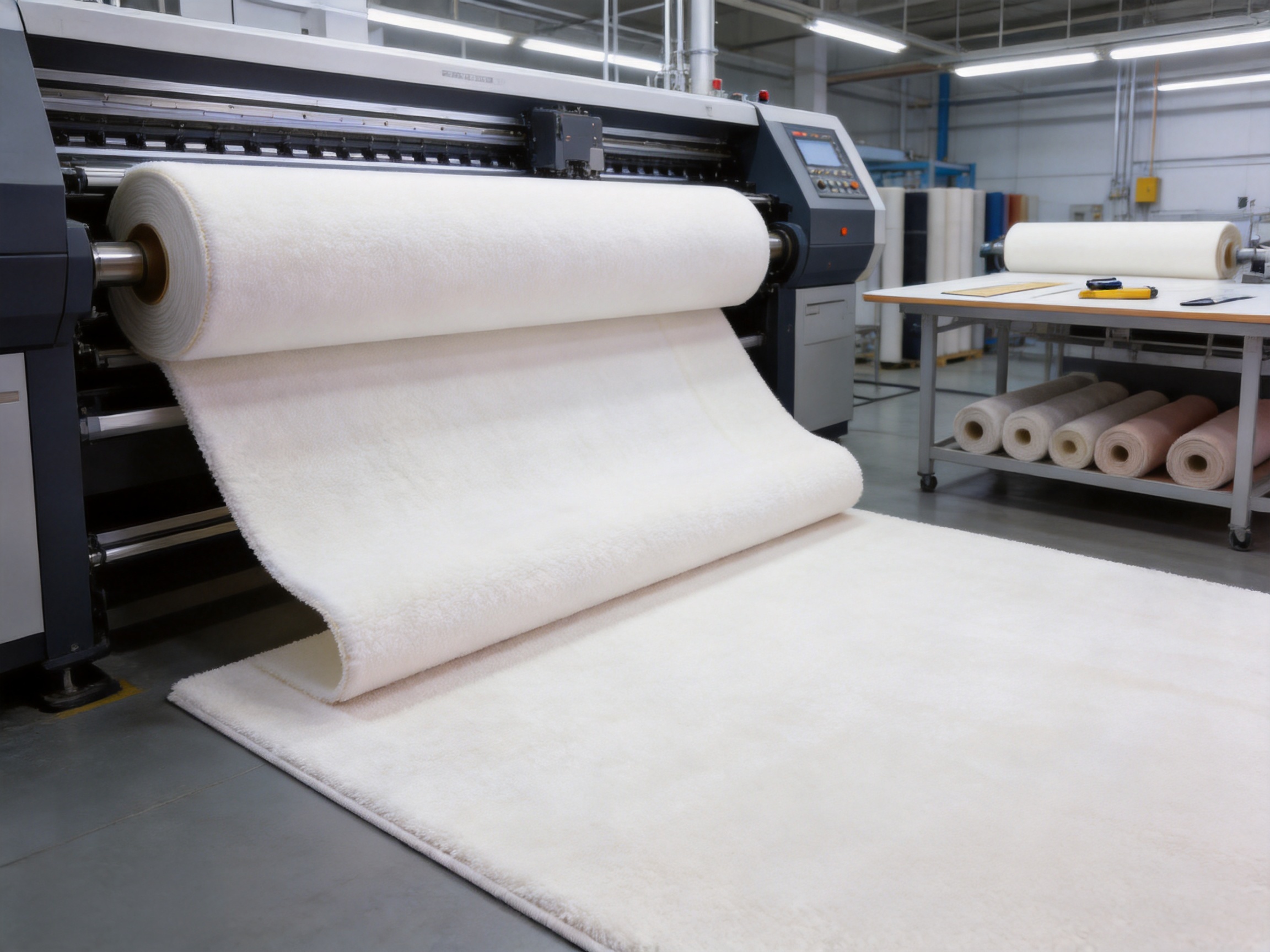
Because the material is supplied in rolls, it can be integrated into an organized production workflow. Buyers may print the fabric, apply backing, cut panels, add edge treatments, and package the finished rugs according to their own product strategy. This provides greater control over design, dimensions, branding, and market segmentation than purchasing only a fixed finished product.
Carpet fabric buyers often compare materials according to softness, print performance, width, durability, appearance, order flexibility, and delivery reliability. Soft PFP White Cashmere Fabric is designed to address these requirements in one material platform.
Many basic carpet fabrics have a flat or relatively firm surface that may be suitable for utilitarian applications but does not provide a premium tactile impression. The 6–8mm pile height of this product creates more surface volume and a more inviting hand feel. This can help finished products stand apart in retail environments where softness is an important selling point.
Pre-patterned fabrics limit the buyer to the designs offered by the supplier. A PFP white material provides a more flexible starting point. Buyers can create their own artwork, adapt designs to regional preferences, or change collections without changing the underlying fabric specification. This is especially useful for private-label brands, project-based orders, and seasonal product development.
The availability of 170cm, 190cm, and 210cm widths provides practical options for different rug sizes and manufacturing layouts. For larger applications, customized widths and a maximum stated width of up to 3.2 meters may help reduce the need for joining multiple fabric sections. Fewer seams can support a cleaner appearance and may simplify certain production processes.
As a make-to-order knitted fabric, the product can be scheduled according to the buyer’s manufacturing plan. Consistent specifications are important for brands that need to repeat successful designs or supply several retail channels. A defined weight, pile height, material composition, and width range can help simplify purchasing and production planning.
Natural luxury fibers may offer a distinctive image but can involve higher material costs, specialized care, or limited suitability for large-scale printing and volume production. This polyester microfiber fabric is designed to provide a soft and premium visual impression while remaining appropriate for commercial manufacturing. It offers a practical route to developing products with a luxurious appearance at a more manageable production scale.
The fabric is produced using knitted textile technology. Knitting forms the fabric through interlocking loops, allowing manufacturers to engineer a surface with flexibility, softness, and a controlled appearance. For carpet fabric applications, knitting can support the development of a consistent pile structure and a stable textile base suitable for subsequent processing.
Advanced knitted production requires control over yarn selection, loop formation, machine settings, surface density, fabric tension, and finishing conditions. These factors influence the final weight, texture, width, recovery, and print performance of the material. Careful control at each stage helps ensure that rolls remain consistent from one production batch to the next.
For buyers, a controlled knitting process can offer several practical benefits. A consistent surface makes it easier to apply printing, inspect finished fabric, and achieve uniform results across multiple cut pieces. Stable fabric dimensions can also reduce waste during pattern placement and cutting. In large-scale rug manufacturing, even small variations can affect productivity, so dependable fabric construction is an important part of overall efficiency.
The company’s production model combines fabric development with dyeing, printing, and finished carpet processing capabilities. This integrated approach enables closer coordination between the base fabric and downstream applications. It also allows technical teams to understand how the material performs after printing, backing, cutting, and conversion rather than evaluating the fabric in isolation.
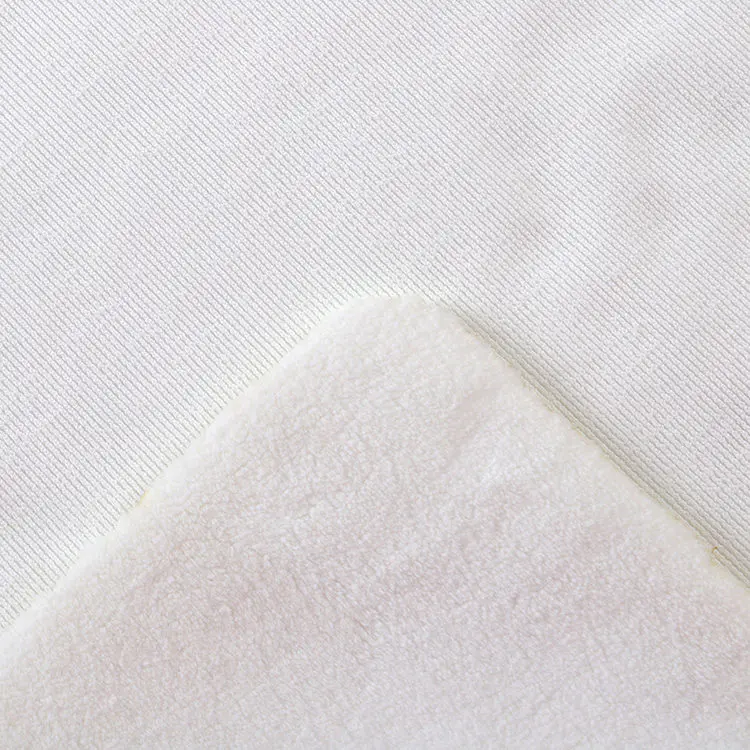
Soft PFP White Cashmere Fabric
Zhejiang Benyi Textile Technology Co., Ltd. is located in Shaoxing, Zhejiang Province, a region widely recognized for its extensive textile infrastructure. The company focuses on carpets, rug fabrics, and finished textile products, with an emphasis on new textile production technologies and more efficient manufacturing methods.
One of the company’s strengths is its control over several stages of the production chain. Its capabilities include weaving, dyeing and printing, and finished carpet processing. This structure can help reduce communication gaps between separate suppliers and make it easier to coordinate fabric specifications, decoration requirements, quality checks, and delivery schedules.
The company describes its manufacturing approach as combining the bottom and surface of the carpet to simplify the traditional production model. This type of integration is intended to improve production efficiency and reduce unnecessary complexity. When the fabric base and finished product processes are coordinated, manufacturers can evaluate the complete product more effectively and identify opportunities to reduce material loss, processing time, and quality variation.
More than 20 fabric engineers support the company’s product development work. Their role includes developing new carpet fabrics based on market trends and adapting specifications to customer requirements. This technical capacity is important for buyers who require more than a standard catalog product. Custom width, special construction, project-specific usage, printing preparation, and other requirements can be discussed during the development process.
Quarterly fabric development also helps the company respond to changing interior design preferences. Home textile buyers increasingly look for new textures, colors, surface effects, and functional characteristics. Regular development enables the manufacturer to expand its product range while maintaining a connection to current market needs.
Quality control for carpet fabric begins with the selection and preparation of polyester microfiber. The yarn must be suitable for knitted construction and compatible with the desired surface characteristics. Material consistency affects the fabric’s weight, softness, pile formation, appearance, and printing behavior.
During knitting, production teams monitor the formation of the fabric structure and the consistency of the surface. Width and weight are important checkpoints because they affect both the buyer’s production calculations and the performance of finished products. Pile height is also significant: a variation outside the intended 6–8mm range could change the appearance and hand feel of the fabric.
After knitting, the fabric may undergo finishing and inspection. Inspection can include checking for visible defects, irregularities, contamination, uneven surface areas, width variation, and packaging problems. Rolls are handled carefully so that the white PFP surface remains clean and suitable for printing.
Printing performance is another important consideration. A white base must be sufficiently uniform to support consistent color reproduction. Buyers may perform their own production trials, particularly when using specialized digital printing equipment or transfer processes. The supplier’s technical team can help discuss the appropriate specifications and intended production route before a large order is confirmed.
The company’s involvement in weaving, dyeing and printing, and finished carpet processing gives it practical knowledge of how fabric properties affect the final product. This broader perspective can support more effective quality discussions with international buyers, especially when the customer is developing a new rug collection or changing from another fabric supplier.
Width selection affects cutting efficiency, seam placement, finished dimensions, and material utilization. The standard width options of 170cm, 190cm, and 210cm cover many common rug and mat formats. Buyers can select a width that fits their production line, target product sizes, or printing equipment.
A 170cm width can be suitable for smaller and medium-sized area rugs, prayer mats, decorative mats, and products designed for standard residential spaces. A 190cm width provides additional flexibility for larger formats and may support more efficient cutting for selected product dimensions. The 210cm option can be helpful when developing wider rugs or layouts that require a larger printable area.
For special projects, customized widths can be discussed. The stated maximum width can reach up to 3.2 meters, subject to production conditions and order specifications. Large-width fabric may be useful for hospitality projects, commercial interiors, oversized rugs, wall-to-wall applications, and products where minimizing seams is a priority.
Before ordering, buyers should provide the intended finished dimensions, printing method, cutting plan, and estimated order volume. This allows the technical team to recommend the most efficient width and determine whether a standard or customized specification is appropriate.
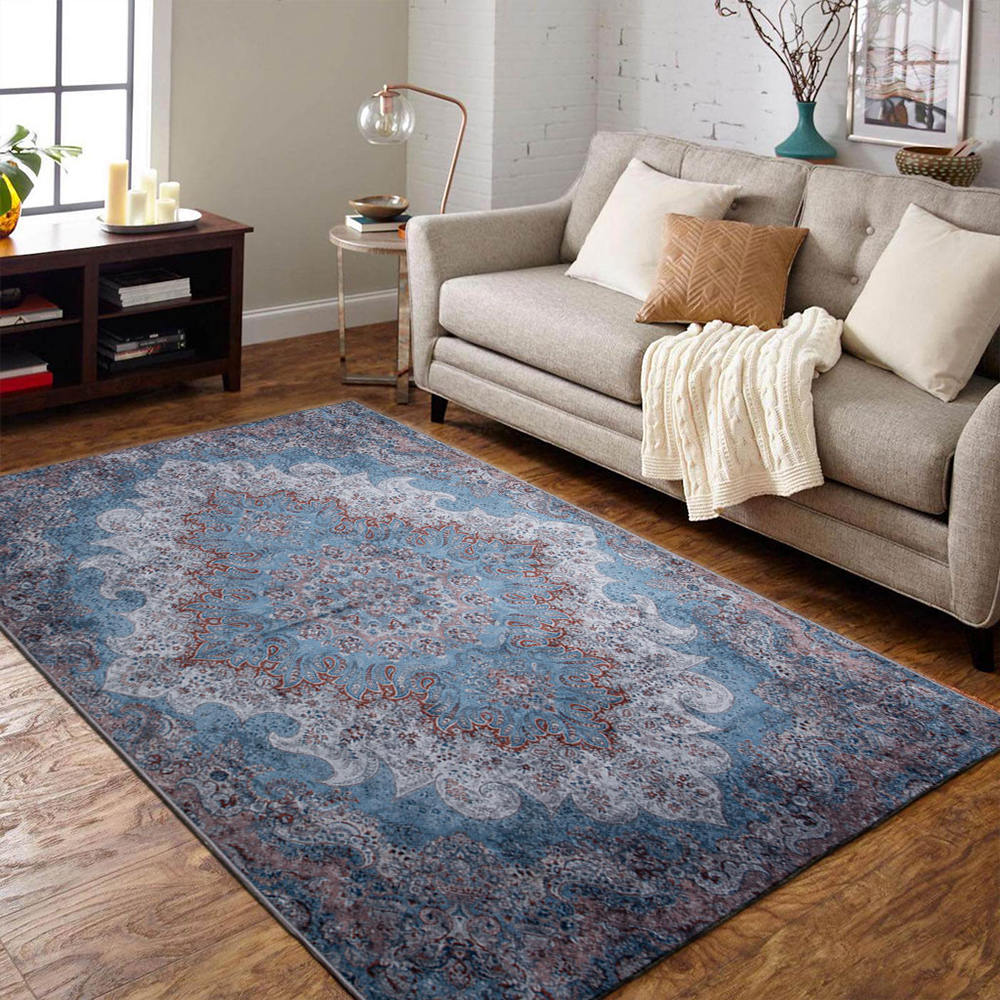
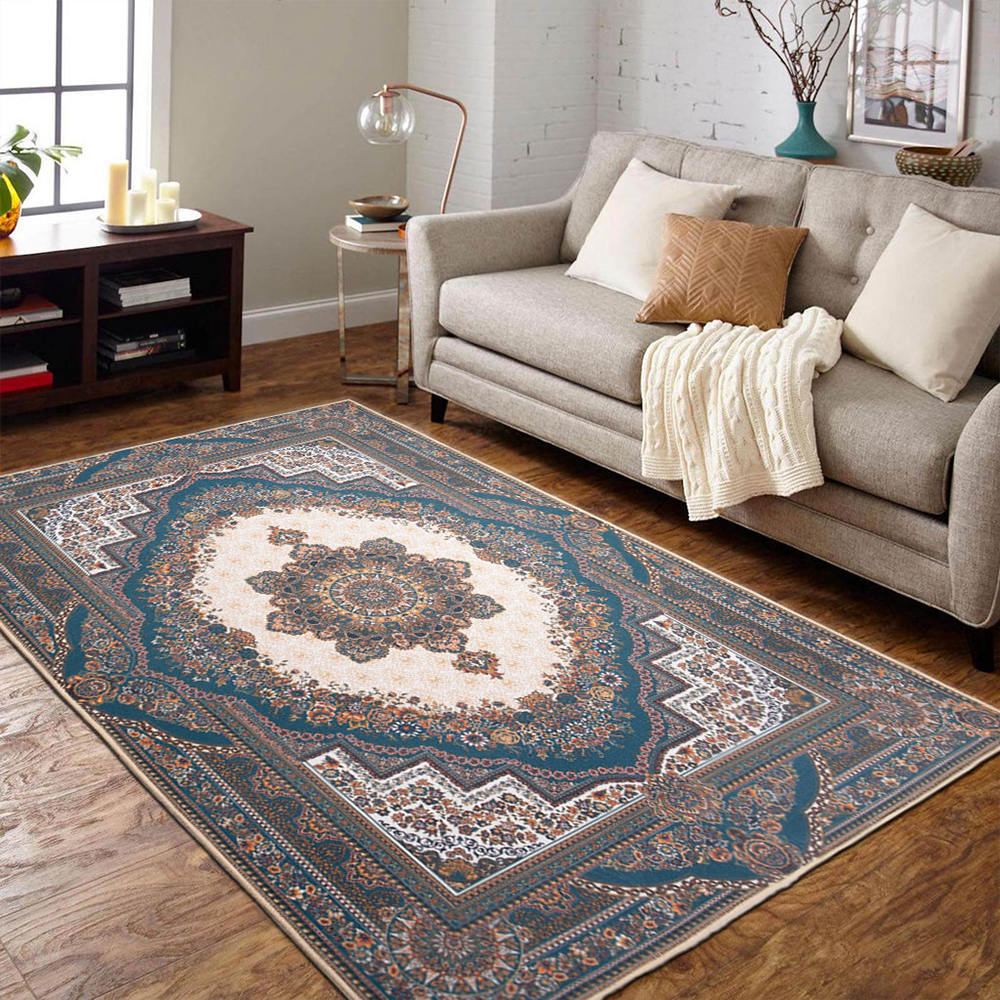
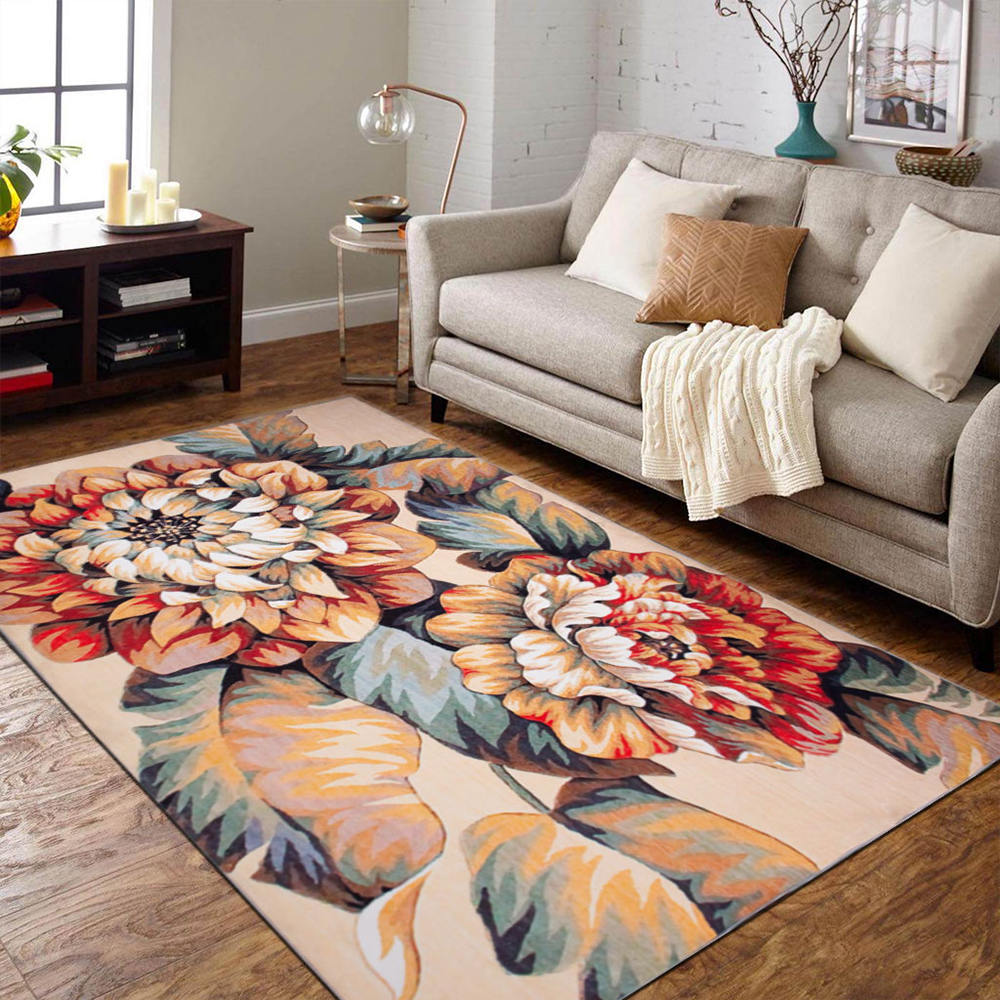
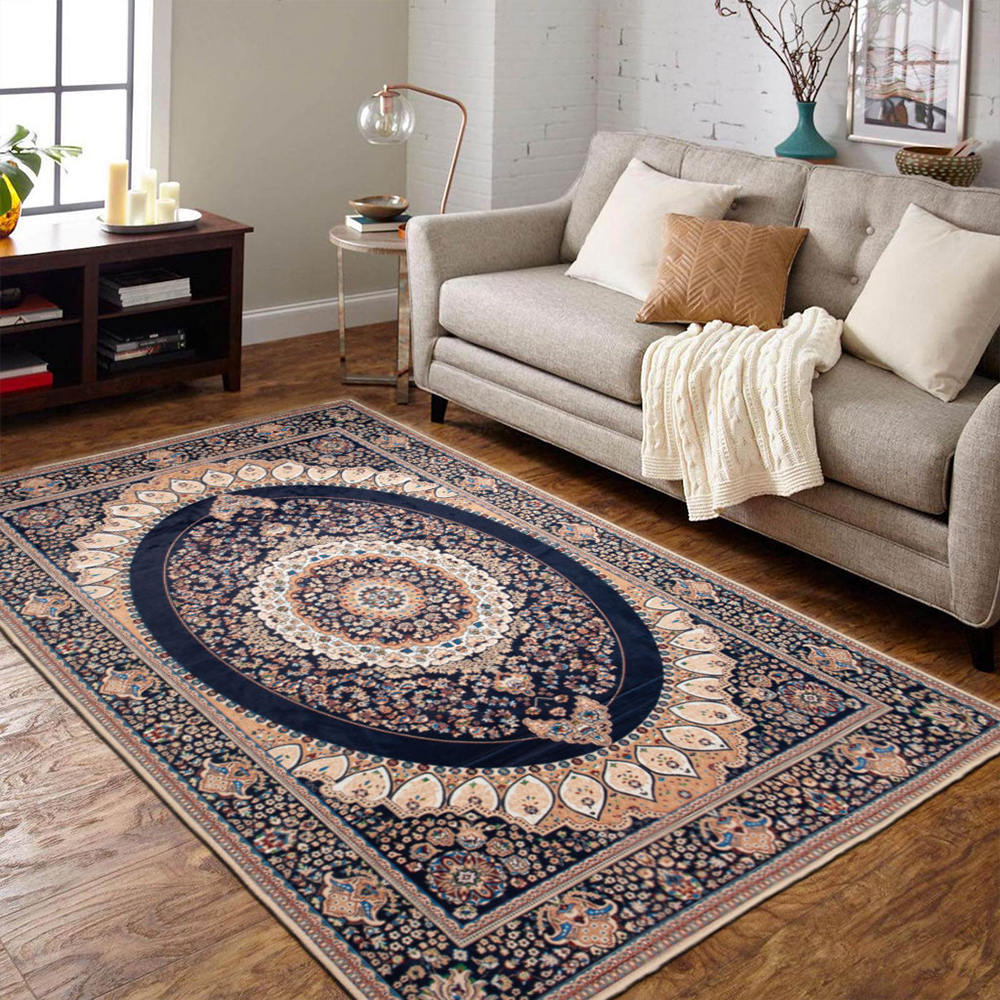
Area rugs are one of the most direct applications for this fabric. The soft and shaggy surface can add comfort and visual warmth to living rooms, bedrooms, reading areas, and family spaces. By printing different patterns, manufacturers can create collections ranging from minimalist neutrals to colorful decorative designs.
The PFP white base is particularly useful for brands that want to offer many visual options without purchasing different colored base fabrics. The same material can support seasonal collections, coordinated room décor, and custom orders.
The soft pile and comfortable surface are suitable for prayer mat production. A prayer mat manufacturer can print traditional, geometric, floral, architectural, or personalized designs onto the fabric before adding the necessary backing and edge finishing.
Prayer mat producers should determine the appropriate finished thickness, backing structure, dimensions, and maintenance instructions for their target market. The fabric’s soft touch can contribute to comfort, while the printable surface provides opportunities for culturally appropriate and visually distinctive designs.
The material may also be considered for bathroom mat products when it is combined with a suitable backing and finishing system. In this application, the finished product must be evaluated for water exposure, slip resistance, drying characteristics, and cleaning requirements. The carpet fabric supplies the soft surface, while the converter must ensure that the complete mat is appropriate for bathroom conditions.
Kitchen mats often require a comfortable surface because users may stand on them for extended periods. The cashmere-like texture can support a more comfortable product concept. Manufacturers should select appropriate backing, edge binding, and cleaning instructions to meet the demands of kitchen use.
The fabric can be used as a surface material for decorative entrance mats and indoor door mats. For these applications, the backing and construction should be designed to improve dimensional stability and resistance to movement. Printed patterns can help conceal ordinary dust between cleaning cycles while also supporting decorative coordination with surrounding interiors.
As a roll material, the fabric can be converted into products beyond standard rugs. It may be used for customized floor coverings, branded interior textile products, retail displays, soft furnishing components, and other applications where a plush printable surface is required.
Wholesale buyers often need to balance product quality, order quantities, delivery timing, and design flexibility. The make-to-order model allows the fabric to be produced according to confirmed requirements rather than relying only on pre-stocked specifications. This can be useful for brands that plan collections in advance or require specific widths and quantities.
The minimum order quantity of 500 kilograms per color is structured for commercial production. It may be suitable for wholesalers, carpet manufacturers, importers, and home textile brands that need enough volume to support a full product range. Buyers should calculate expected fabric consumption based on finished dimensions, cutting loss, backing requirements, and sample development before placing an order.
Roll packaging supports efficient handling and storage. It helps keep the fabric organized during transportation and can make it easier for factories to feed the material into printing or cutting equipment. The exact roll length, roll diameter, and weight should be confirmed according to the final order and shipping plan.
The standard lead time of 15–20 days provides a clear planning reference for customers. Actual delivery timing may depend on order confirmation, production capacity, printing or customization requirements, quality inspection, packaging, and international transportation. Early communication is recommended for projects involving custom widths, tight schedules, or multiple colors.
Modern textile buyers increasingly evaluate materials not only by appearance and price but also by production responsibility, resource use, and certification. Zhejiang Benyi Textile Technology Co., Ltd. states that it is committed to ecological and environmental protection and to improving consumers’ health experiences.
The company invests in sustainable materials and production methods, including recycled polyester and water-saving dyeing techniques. These approaches can help reduce the environmental impact associated with raw material consumption and textile processing. Buyers interested in specific recycled content, certification scope, or production claims should request current documentation for the relevant product and order.
The company also states that it has passed OEKO-TEX® and GRS certifications. Certification details can vary by facility, product, and validity period, so professional buyers should verify the current certificate numbers, applicable scopes, and order-specific requirements before using certification claims in marketing materials.
Responsible manufacturing is not limited to the fiber itself. Efficient width planning, reduced cutting waste, coordinated production, durable product design, appropriate packaging, and longer service life can all contribute to more responsible textile use. A durable and attractive rug that remains in service for a longer period may reduce the frequency of replacement and help improve the overall value of the material.
Begin by identifying whether the final product will be an area rug, prayer mat, bathroom mat, kitchen mat, door mat, or another textile item. Consider the expected environment, level of foot traffic, contact with moisture, cleaning method, target consumer, and desired price range.
Provide the intended finished sizes and determine how the fabric will be cut. The correct width can reduce waste and improve production efficiency. If the project requires unusually large pieces, discuss customized width options and the possible maximum width of up to 3.2 meters.
Decide whether digital printing, paper transfer printing, or another compatible process will be used. Artwork complexity, order size, equipment availability, color expectations, and production speed should all be considered. Printing trials are recommended before confirming a large commercial run.
The fabric is a surface material and may require a backing system for the final product. Depending on the application, the buyer may select a non-slip backing, textile backing, foam layer, latex-based system, or other compatible construction. Edge binding, overlocking, hemming, and shape cutting should also be planned.
Samples allow the buyer to evaluate softness, pile appearance, print quality, color reproduction, width, backing compatibility, and finished-product performance. A sample approval process helps minimize misunderstandings and gives the manufacturer clear technical benchmarks.
Before production begins, confirm the material specification, weight, pile height, width, quantity, color, packaging, delivery schedule, inspection requirements, payment terms, and shipping arrangements. The stated MOQ is 500 kilograms per color, and the standard delivery time is 15–20 days, subject to final order conditions.
The care instructions for a finished rug depend on the fabric, printing method, backing, and edge treatment. Buyers should test the complete product rather than evaluating only the unbacked fabric. Cleaning instructions should be developed according to the intended environment and the compatibility of all components.
For routine maintenance, regular vacuuming or gentle surface cleaning may help remove dust and loose particles. Stains should be treated promptly using a method appropriate for polyester microfiber and the selected printing and backing systems. Excessive heat, harsh chemicals, aggressive brushing, or unsuitable solvents may affect the surface or print and should be avoided unless confirmed through testing.
Bathroom, kitchen, and entrance products may experience more moisture or soil than decorative bedroom rugs. These products require additional evaluation of drying time, colorfastness, backing adhesion, slip resistance, and dimensional stability. The supplier can provide the fabric specification, while the finished-product manufacturer remains responsible for validating the complete product for its intended use.
A carpet fabric is not simply a decorative surface. Its performance depends on the interaction between fiber, knitting structure, pile height, printing process, backing, cutting, and final use. Working with a supplier that understands the full production chain can help buyers identify risks earlier and make more informed decisions.
Zhejiang Benyi Textile Technology Co., Ltd. combines product development with fabric production and finished carpet processing. This allows the company to discuss both the technical properties of the roll fabric and the practical requirements of the finished rug. Its fabric engineering team develops products based on market trends while also supporting customized requirements.
The company’s location in Shaoxing provides access to a well-developed textile supply network. Its stated production structure includes weaving, dyeing and printing factories, and finished carpet processing factories. This integrated resource base can support communication, production coordination, and quality management for international customers.
For buyers, supplier expertise may be especially valuable when a project involves a new design, unusual dimensions, large-format printing, customized widths, or a combination of several finishing methods. Technical discussion before production can help establish realistic expectations and prevent avoidable delays.
| Product application | Area rug, prayer mat, bathroom mat, kitchen mat, door mat, or another finished product |
| Material requirement | 100% polyester microfiber and 500gsm construction |
| Surface requirement | 6–8mm soft and shaggy pile |
| Width selection | 170cm, 190cm, 210cm, or customized width |
| Printing method | Digital printing, paper transfer printing, or another tested process |
| Artwork | Pattern files, color references, repeat size, and print placement |
| Backing | Required backing type, slip resistance, and bonding method |
| Order quantity | At least 500 kilograms per color unless otherwise agreed |
| Packaging | Roll dimensions, labels, protective materials, and pallet requirements |
| Quality checks | Weight, width, pile height, appearance, cleanliness, and print compatibility |
| Delivery planning | Standard production reference of 15–20 days, plus shipping time |
| Documentation | Specification sheet, test reports, and applicable certification documents |
It is a 100% polyester microfiber knitted carpet fabric with a 500gsm weight and a 6–8mm pile height. It has a soft, shaggy, cashmere-like surface and a pure white PFP finish prepared for printing.
No. The fabric is made from 100% polyester microfiber. The term “cashmere” describes the soft and luxurious hand feel rather than the fiber content.
PFP means prepared for printing. The white finish provides a clean base for digital printing, paper transfer printing, and other compatible decorative processes. It can also be used as a natural white material without printing.
The stated fabric weight is 500gsm, or 500 grams per square meter. This gives the material a substantial and plush construction suitable for carpet and rug conversion.
Standard widths are 170cm, 190cm, and 210cm. Customized widths can also be discussed, and the maximum stated width can reach up to 3.2 meters for selected requirements.
The pile height is 6–8mm. This range provides a soft and shaggy surface while remaining suitable for printing and further processing.
Yes. The fabric can be directly used for digital printing. It can also be considered for paper transfer printing, subject to equipment compatibility and production testing.
Recommended applications include area rugs, prayer mats, carpets, and related interior textile products. It may also be developed into bathroom mats, kitchen mats, door mats, and other finished goods when the complete construction is tested for the intended use.
The stated minimum order quantity is 500 kilograms per color. Buyers should confirm the final MOQ for customized constructions, widths, or special production requirements.
The fabric is packaged by rolls. Roll details, protective packaging, labels, and shipping requirements should be confirmed before production.
The standard stated delivery time is 15–20 days. The actual schedule may depend on order confirmation, quantity, customization, inspection, packaging, and transportation arrangements.
Yes. The available widths support many rug formats, and customized widths may be possible. For large rugs, buyers should discuss the cutting plan, printing equipment, backing process, and maximum width requirements with the supplier.
The 6–8mm pile gives it a softer, fuller, and more textured surface than many flat textile materials. Its PFP white finish also provides greater design flexibility because buyers can print their own patterns rather than relying only on pre-patterned fabric.
The supplied product is carpet fabric in roll form and does not automatically represent a completed rug with a finished non-slip backing. Buyers should specify the required backing and validate the complete product for safety and performance.
Sample approval is recommended before a commercial order. Buyers can use samples to assess hand feel, pile appearance, width, print compatibility, color reproduction, and backing performance.
Buyers should provide the intended application, required width, estimated quantity, printing method, artwork requirements, backing needs, packaging preferences, destination, and target delivery schedule. This information helps the supplier prepare a more accurate proposal.
Soft PFP White Cashmere Fabric provides a practical foundation for manufacturers and brands that want to develop soft, attractive, and customizable floor-covering products. Its 100% polyester microfiber construction, 500gsm weight, and 6–8mm pile height create a comfortable and substantial surface. The pure white PFP finish supports digital printing, paper transfer printing, and a wide range of custom designs.
The combination of standard and customized widths, make-to-order production, roll packaging, and a commercial MOQ of 500 kilograms per color makes the material suitable for wholesale and professional manufacturing programs. Its applications include area rugs, prayer mats, carpets, and other interior textile products, with additional opportunities for bathroom, kitchen, and entrance mats when the complete finished construction is properly tested.
The manufacturing strengths of Zhejiang Benyi Textile Technology Co., Ltd. further support the product’s commercial value. The company’s fabric engineering team, textile production resources, printing and dyeing capabilities, finished carpet processing, and focus on responsible manufacturing provide a coordinated platform for product development and supply.
For buyers seeking a soft printable carpet fabric with a premium appearance and flexible production potential, this material offers a balanced combination of comfort, design freedom, width options, and manufacturing practicality. Careful sample testing, application evaluation, and specification confirmation will help ensure that the final product meets the expectations of its intended market.
1. Product specification information for Soft PFP White Cashmere Fabric, item model 100024.
2. Technical details supplied for 100% polyester microfiber knitted carpet fabric, including 500gsm weight and 6–8mm pile height.
3. Manufacturing and company information provided by Zhejiang Benyi Textile Technology Co., Ltd.
4. General textile manufacturing principles relating to knitted fabric construction, pile height, printing preparation, roll packaging, and carpet conversion.
5. General industry guidance concerning textile product development, finished-rug backing, quality inspection, care testing, and responsible material sourcing.

ADD: No.75 Zhenyuan Road, Yuecheng District, Shaoxing City, Zhejiang Province, China 312000

Tel : +86-189 6750 9795

FAX : +86-0575-8803 2773

Email : fisher@benetextile.com

Copyright © Zhejiang Benyi Textile Technology Co., Ltd. All Rights Reserved. Carpets and Rugs Manufacturer

 English
 Français
 Deutsch
 عربى