

Tang Meilin — Customer Success and Product Support Specialist
 Home / Author / Tang Meilin — Customer Success and Product Support Specialist / 380gsm Imitation Nylon Fabric: A Durable, Flexible Foundation for Modern Carpets, Rugs, and Door Mats
 2026.10.26
 Tang Meilin — Customer Success and Product Support Specialist
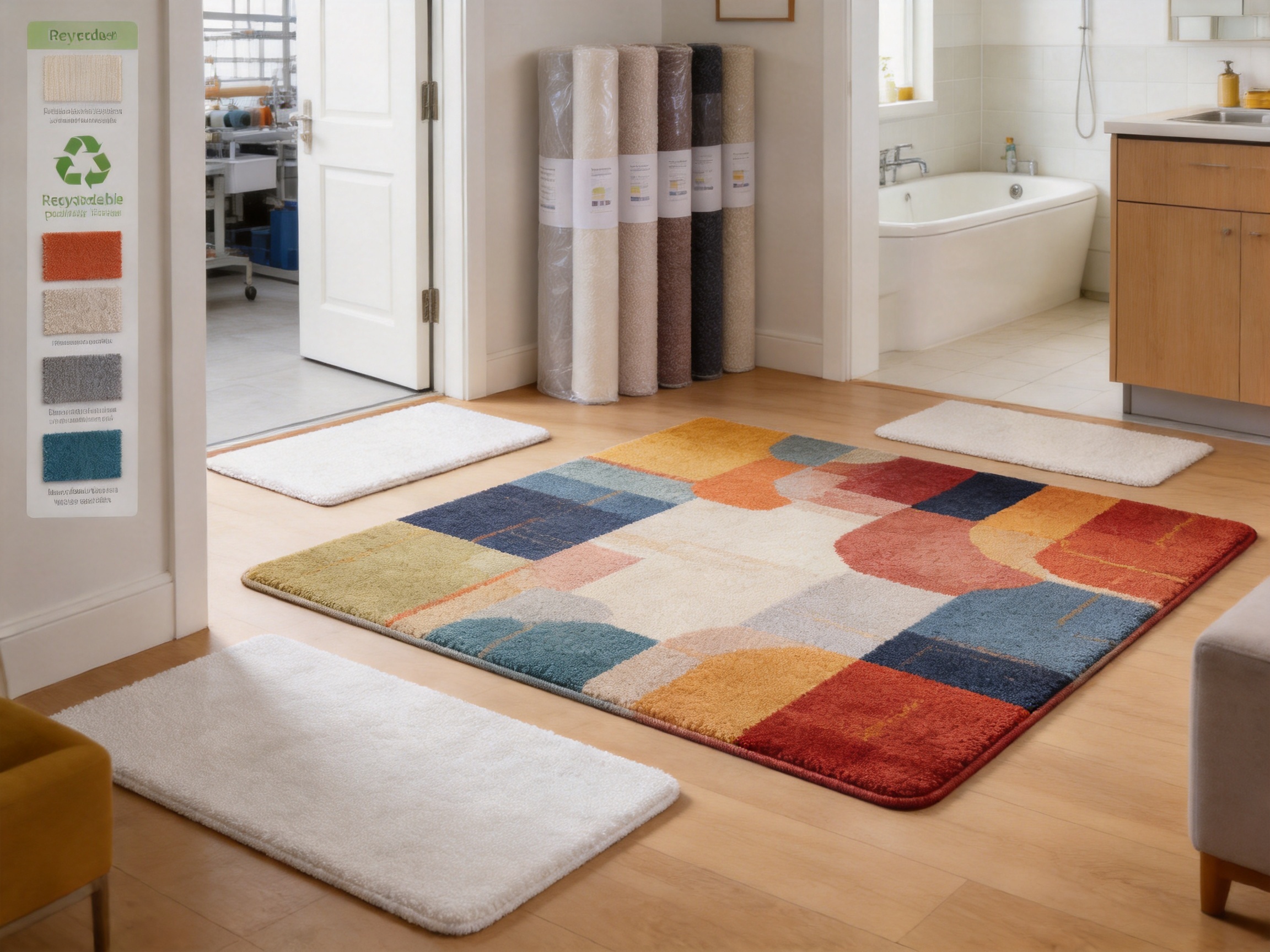
Carpet manufacturers increasingly need materials that balance durability, comfort, appearance, safety, printability, production efficiency, and cost control. The 380gsm Imitation Nylon Fabric is designed to address these requirements in one versatile textile construction. Made from 100% polyester microfiber, this knitted carpet fabric combines a substantial 380gsm weight with a practical 2.5–3 mm looped pile. It is suitable for carpets, area rugs, door mats, and other floor-covering products that require a resilient surface and dependable daily performance.
Unlike a conventional flat textile, this fabric has a structured loop surface that contributes to softness, visual depth, friction, and product functionality. It can be used as a base material for digital printing or paper transfer printing, allowing manufacturers to create customized designs for residential, commercial, hospitality, retail, and promotional applications. Its available widths of 170 cm, 190 cm, and 210 cm, together with customized width options and a maximum width of up to 3.2 meters, provide flexibility for different production formats.
The material is supplied on a make-to-order basis, with a minimum order quantity of 500 kilograms per color. It is packaged in rolls and generally delivered within 15–20 days, helping buyers coordinate material purchasing with production schedules. More importantly, the fabric is supported by an integrated textile manufacturing system that includes weaving, dyeing, printing, and finished carpet processing capabilities. This production structure can help improve consistency, shorten communication cycles, and support customized product development.
Content
The 380gsm Imitation Nylon Fabric is a carpet-oriented polyester textile developed for manufacturers that need a reliable surface material with a soft hand feel and functional loop construction. Although its commercial name refers to imitation nylon, the specified composition is 100% polyester microfiber. This construction provides a practical alternative for buyers who want the appearance and performance characteristics associated with nylon-type carpet fabrics while benefiting from polyester’s processing versatility and broad application range.
The fabric is knitted rather than woven. Knitting creates an interconnected textile structure that can provide flexibility, recovery, and adaptability during carpet production. This is particularly useful when the material must be cut, shaped, laminated, printed, or combined with other layers. The knitted structure also supports the development of a looped surface, which contributes to the fabric’s texture and helps distinguish it from thin, smooth, flat backing materials.
At 380 grams per square meter, the fabric offers a meaningful level of substance without becoming unnecessarily heavy. It is substantial enough to support a quality carpet or mat construction, yet manageable for roll handling, cutting, printing, storage, and transportation. The 2.5–3 mm pile height provides a low-profile surface that is comfortable underfoot and practical in locations where a very thick pile could interfere with doors, furniture, cleaning equipment, or pedestrian movement.
The current color specification is PFP white. This white base is especially useful for printed carpet products because it can provide a neutral foundation for digital printing and paper transfer printing. Buyers can use the base fabric to develop customized patterns, branding graphics, interior décor designs, seasonal products, and made-to-order collections. The fabric can therefore function not only as a basic carpet material but also as a platform for visual customization.
| Product name | 380gsm Imitation Nylon Fabric |
| Item model number | 100076 |
| Material | 100% polyester microfiber |
| Weight | 380gsm |
| Available width | 170 cm, 190 cm, 210 cm, or customized |
| Maximum stated width | Up to 3.2 meters |
| Pile height | 2.5–3 mm |
| Surface construction | Looped knitted pile |
| Supply type | Make-to-order |
| Primary applications | Carpets, area rugs, and door mats |
| Color specification | PFP white |
| Minimum order quantity | 500 kilograms per color |
| Packaging | Rolls |
| Typical delivery time | 15–20 days |
| Functional features | Anti-slip characteristic and loop texture |
Fabric weight is one of the first specifications that professional carpet buyers evaluate. A fabric that is too light may lack body, stability, and perceived quality. A fabric that is excessively heavy may increase shipping costs, complicate handling, and reduce manufacturing efficiency. At 380gsm, this product occupies a practical middle ground for many carpet and mat applications.
The weight gives the material a fuller hand and a more substantial feel than lightweight textile surfaces. For an area rug or door mat, this can improve the finished product’s perceived value. Consumers often associate a well-structured, comfortable textile with durability and quality. The fabric’s weight helps manufacturers create products that feel more finished and robust without requiring an unnecessarily thick pile.
A 380gsm construction can also support a balanced relationship between surface comfort and dimensional manageability. The 2.5–3 mm looped pile adds tactile softness and texture while keeping the overall profile relatively low. This makes the fabric suitable for floor coverings used around furniture, entrances, kitchens, bedrooms, bathrooms, and other areas where excessive thickness may be inconvenient.
Weight consistency is equally important in large-scale production. When each roll is manufactured according to a defined specification, carpet producers can improve cutting calculations, estimate material consumption, and plan production more accurately. Consistent weight helps reduce unexpected variation between batches and supports more reliable quality control.
The fabric is knitted from 100% polyester microfiber. Polyester is widely used in textile manufacturing because it offers a combination of strength, processing flexibility, dimensional stability, and resistance to everyday wear. In carpet applications, these qualities can help manufacturers create products that retain their visual and functional characteristics during regular use.
The microfiber format contributes to a refined touch. Instead of a coarse or overly rigid surface, the fabric can provide a softer contact experience underfoot. This is valuable for bedroom rugs, living room carpets, children’s play areas, and other spaces where comfort is an important part of product selection. The tactile quality also supports the presentation of finished carpets in retail environments, where customers frequently evaluate a product by touching the surface.
Polyester is also compatible with different coloration and printing processes. The specified fabric can be used directly for digital printing or paper transfer printing in various designs. This allows manufacturers to move beyond plain, undifferentiated products and offer collections with geometric patterns, floral graphics, abstract artwork, seasonal themes, brand marks, and customized color combinations.
The material is described as offering fade resistance. In practical terms, this is an important consideration for carpets exposed to indoor lighting, regular cleaning, and routine household or commercial use. As with all textile products, actual color performance depends on the selected dyes, printing process, exposure conditions, cleaning method, and end-use environment. Nevertheless, the polyester microfiber construction provides a strong foundation for developing visually stable carpet products.
The 2.5–3 mm pile is formed in a looped structure. Loop construction is widely used in floor-covering products because it offers a combination of texture, resilience, and practical maintenance characteristics. In this fabric, the loop height creates a low, compact surface that can provide a comfortable touch without becoming excessively plush or difficult to manage.
The loop texture can increase friction with the soles of the feet. This is particularly relevant for bathroom mats, kitchen mats, entryway rugs, and door mats, where users may walk across the surface with wet or smooth footwear. The looped construction contributes to the product’s anti-slip-oriented design, although the final slip resistance of a completed mat will also depend on its backing material, floor contact, moisture conditions, and overall product construction.
Compared with a high-pile surface, the low loop height is easier to integrate into products that need to fit beneath doors or alongside other flooring. It can also simplify routine vacuuming and surface care. The structure is suitable for manufacturers that want to create a practical floor-covering product rather than a deep luxury pile that requires more specialized maintenance.
The looped face can also create subtle visual variation after printing. Depending on the printing method and graphic design, the surface may provide depth and texture that enhance the appearance of patterns. This gives designers more opportunities to combine color with surface structure rather than relying solely on a flat printed image.
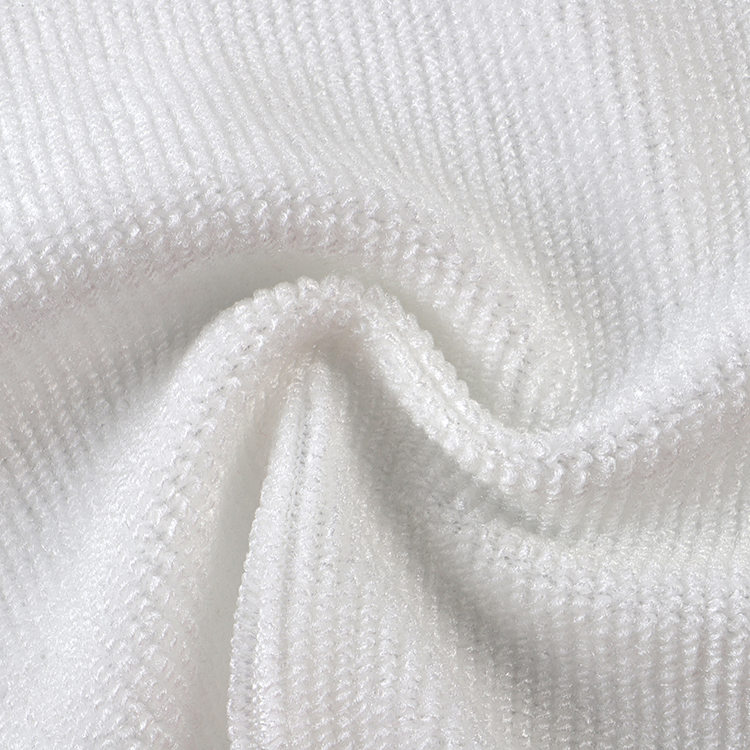
380gsm Imitation Nylon Fabric
Safety is a central consideration in the development of rugs and mats. A floor covering must not only look attractive; it should also provide a stable and comfortable walking surface when correctly matched with an appropriate backing and installation environment. This fabric features an anti-slip characteristic and a looped construction intended to increase contact friction.
The surface loops can create more interaction between the fabric and the soles of the feet than a smooth textile surface. This is helpful in applications where people frequently step onto the product, including entrances, bathrooms, kitchens, bedrooms, and living rooms. The texture can provide a more secure underfoot sensation, especially when incorporated into a completed mat with a suitable anti-slip backing.
Manufacturers should recognize that anti-slip performance is a system characteristic. The fabric itself is one part of the final product. The backing, adhesive, floor surface, moisture level, product dimensions, edge treatment, and installation method all influence the finished mat’s behavior. For demanding commercial or public applications, buyers should conduct product-specific testing under the intended conditions.
Even with that qualification, the fabric’s loop design offers a valuable starting point for producing mats and carpets with a more functional surface. It is especially suitable for companies that want to combine a soft textile feel with practical movement control rather than offering a completely smooth surface.
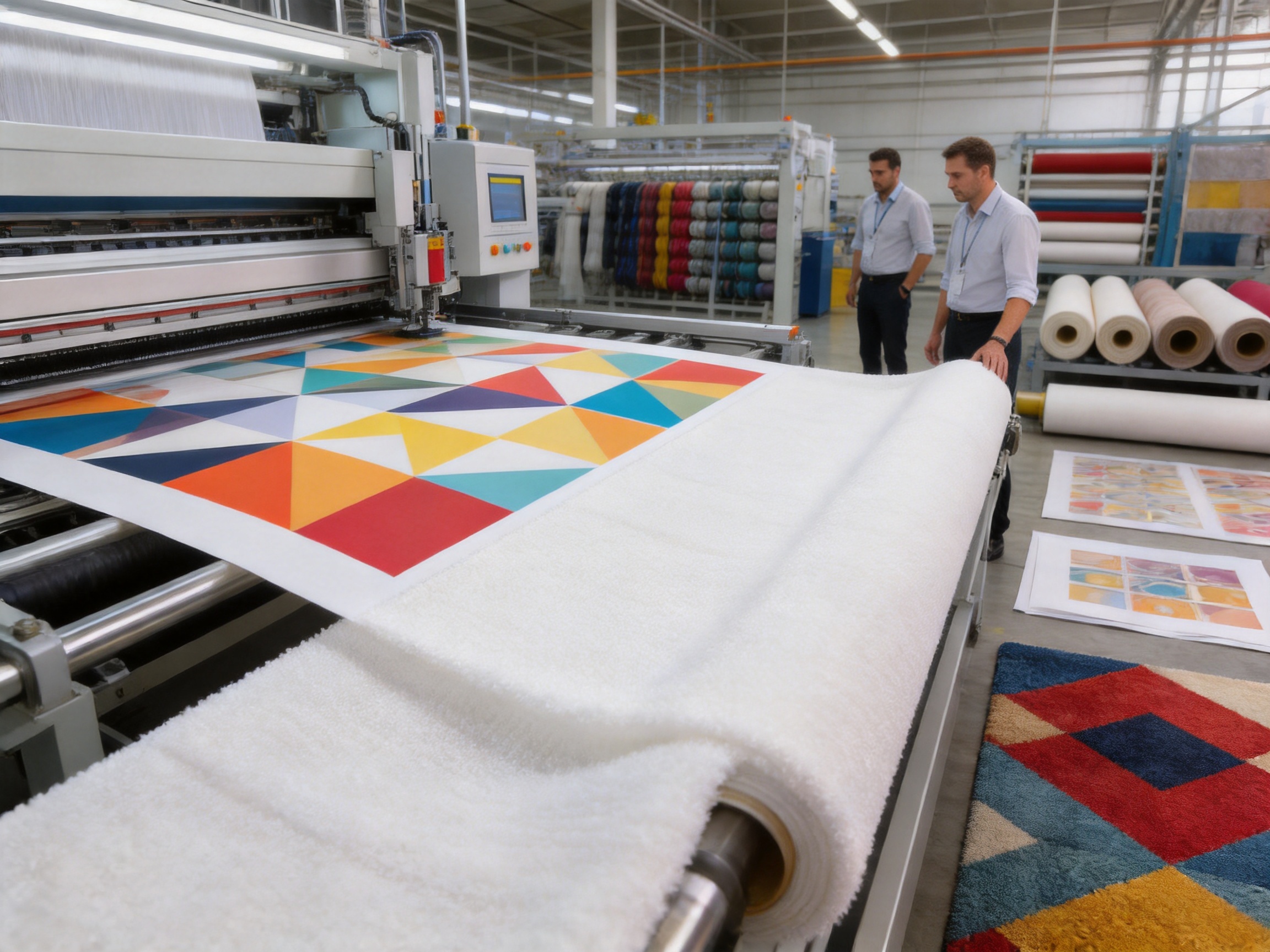
One of the strongest advantages of this fabric is its suitability for digital printing and paper transfer printing. Modern carpet buyers increasingly expect customized designs, short collections, private-label products, and rapidly changing patterns. A printable white polyester base can help manufacturers respond to these market requirements more efficiently.
Digital printing enables the production of complex graphics, gradients, photographic images, fine lines, and multi-color patterns. It is especially suitable for customized orders and designs that would be difficult or expensive to produce with traditional methods. Manufacturers can create small design collections, test new patterns, produce promotional merchandise, or develop products for specific interior projects.
Paper transfer printing provides another route for applying designs to polyester-based materials. Depending on the selected process and finishing conditions, it can be used to create clear and attractive patterns with good visual impact. Offering compatibility with more than one printing method gives buyers additional flexibility when selecting equipment, ink systems, production volumes, and design requirements.
The PFP white color is important because it serves as a clean base for color development. It allows printed artwork to appear more accurately and gives designers a consistent starting point. Buyers can also use the white fabric for subsequent finishing, coating, lamination, or additional color treatments when required by a specific product design.
For private-label carpet producers, the printability of this material can help create a stronger brand identity. A single base fabric may be transformed into multiple collections for different customer groups, including children’s designs, hospitality patterns, minimalist interiors, seasonal ranges, sports themes, retail branding, and personalized gifts.
Width selection affects cutting efficiency, pattern layout, seam planning, and material waste. The fabric is available in widths of 170 cm, 190 cm, and 210 cm, with customized width options available for specific requirements. The stated maximum width can reach 3.2 meters, providing an additional advantage for manufacturers producing larger carpets or seeking to reduce the number of joins in a finished product.
A wider fabric can improve the utilization of material for large area rugs and broad carpet panels. It may allow designers to position larger patterns more effectively and reduce the need for central seams. Fewer seams can improve the appearance of the finished carpet and simplify certain manufacturing processes. For smaller rugs and mats, narrower widths may support efficient nesting of multiple pieces across the roll.
Customized widths can be particularly useful for contract projects and specialized product lines. A buyer may need a particular width to match cutting equipment, standard rug dimensions, packaging requirements, or a customer’s interior design plan. By discussing width requirements before production, manufacturers can avoid unnecessary trimming and improve the relationship between incoming material and final product dimensions.
Roll delivery also supports efficient factory handling. Rolls can be stored, transported, fed into cutting or printing equipment, and allocated according to production orders. Roll packaging helps protect the textile during normal logistics operations, although buyers should still store the material in a clean, dry environment and follow suitable handling procedures.
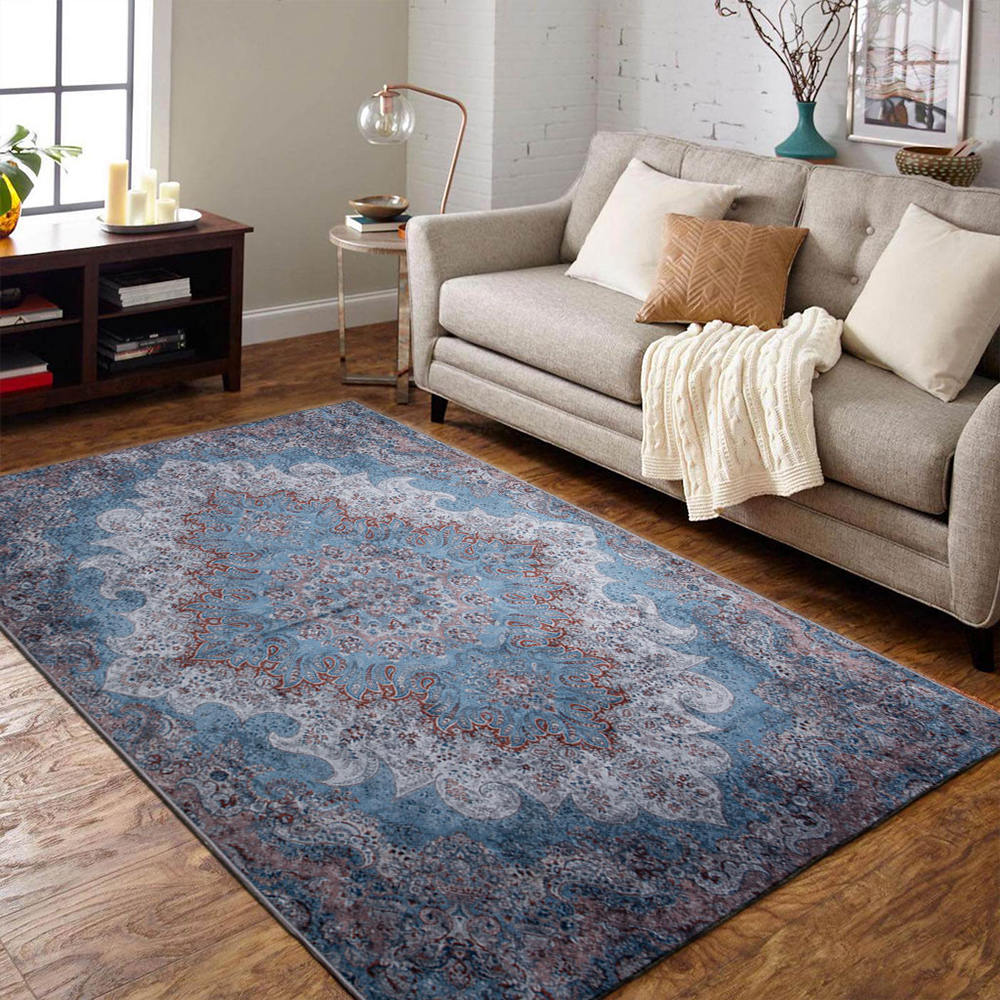
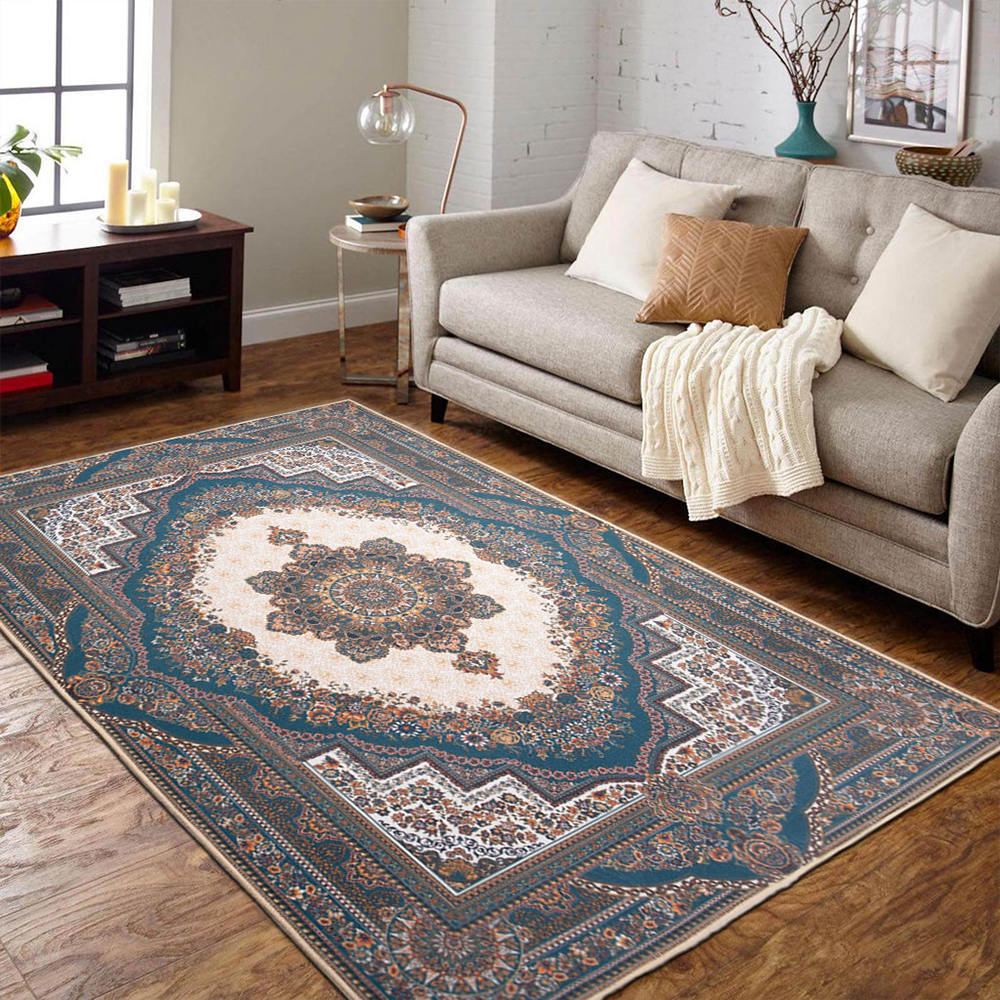
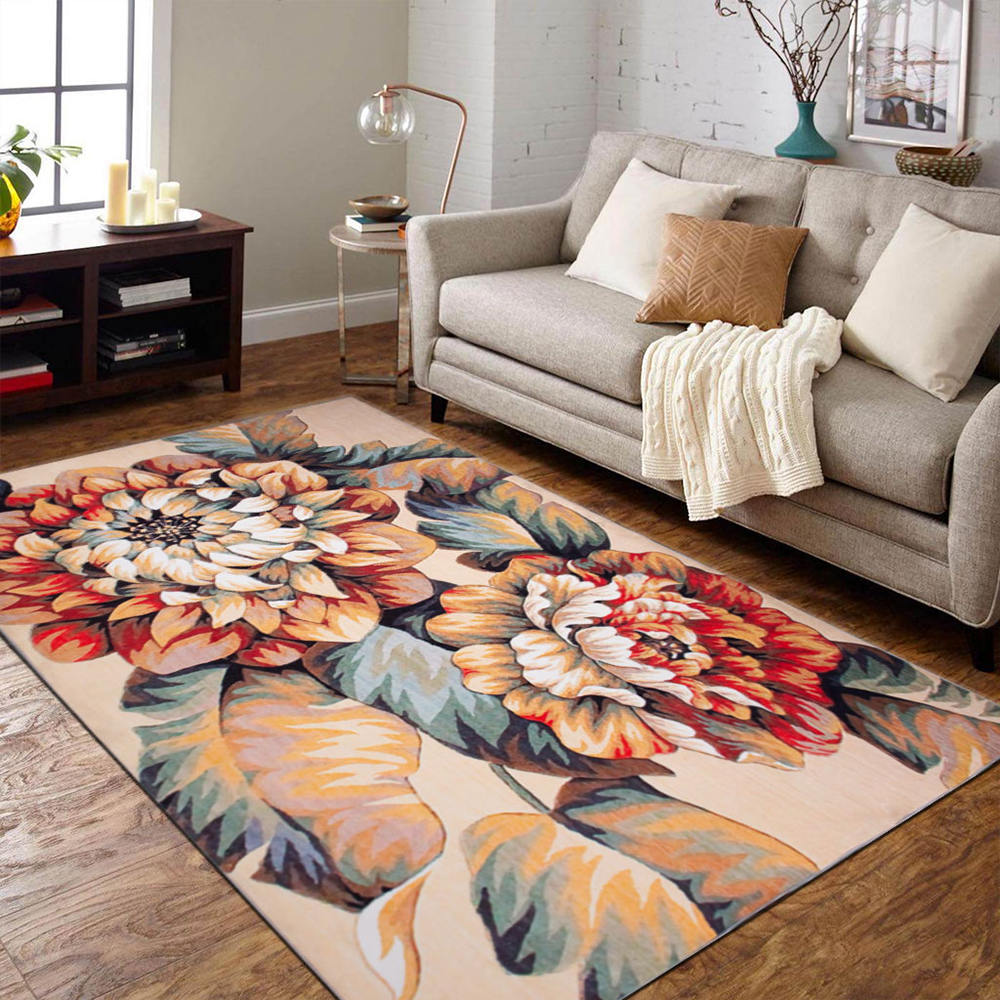
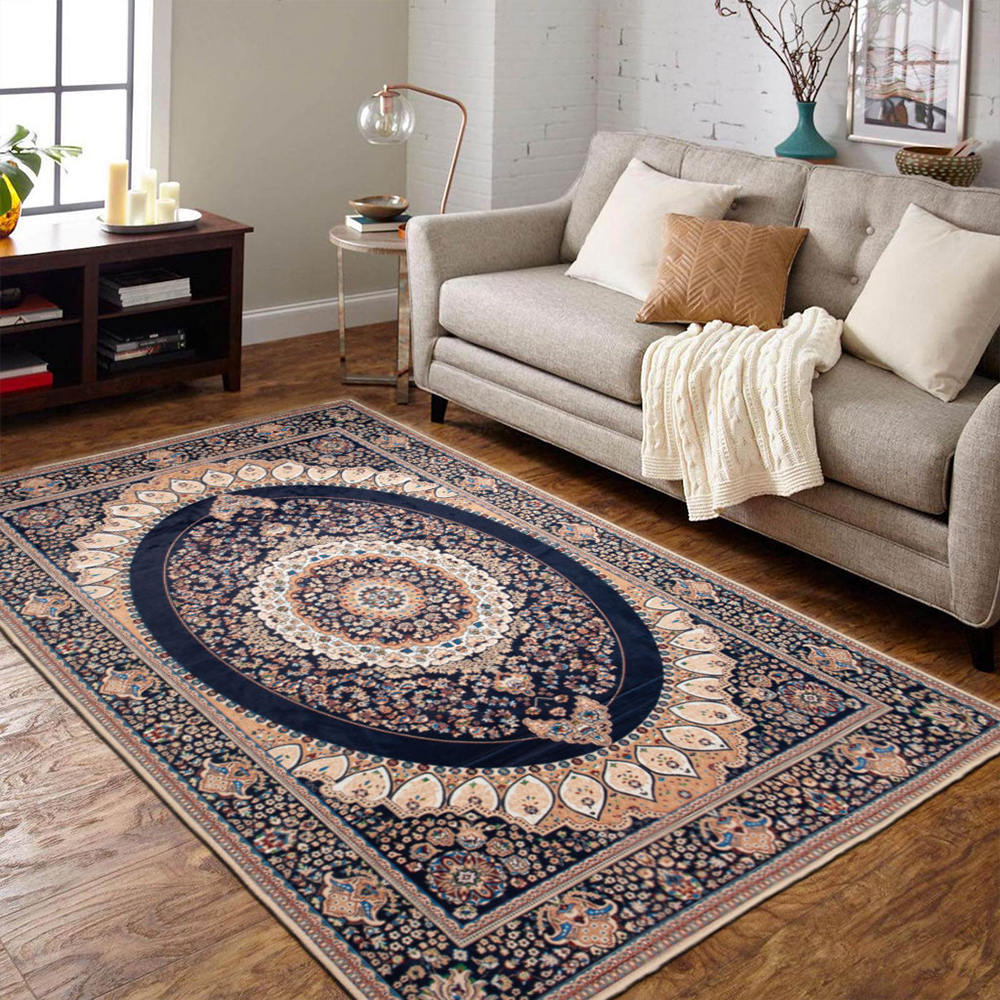
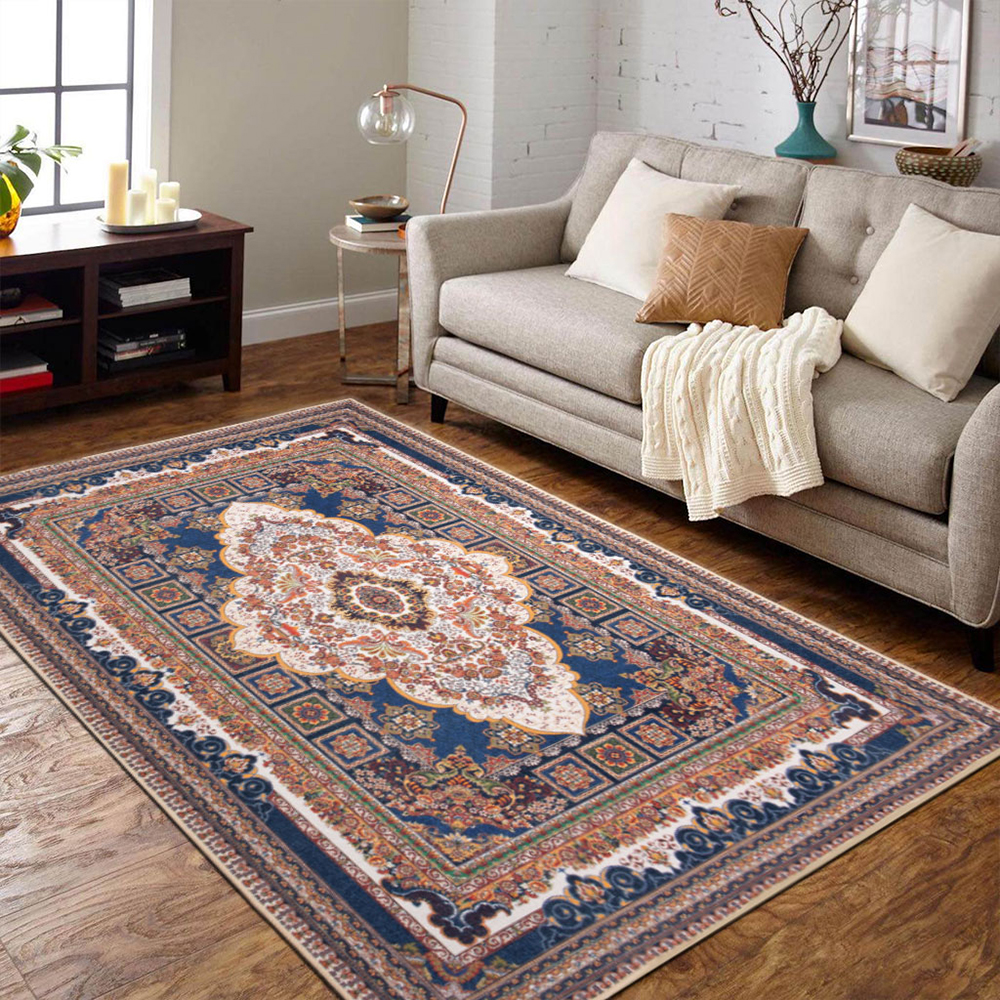
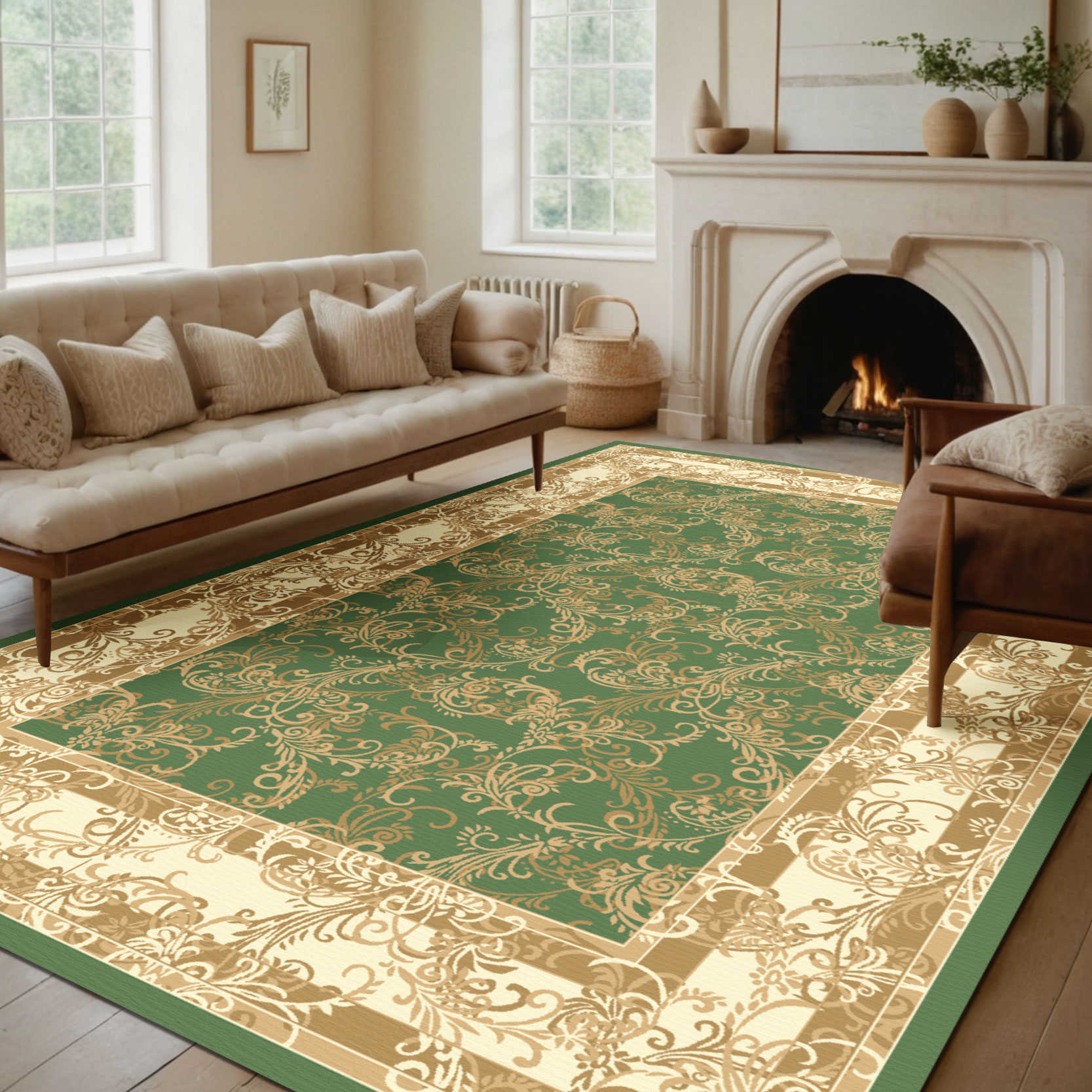
Area rugs are one of the most suitable applications for this fabric. The 380gsm weight provides body, while the low looped pile offers a comfortable and practical surface. Printed designs can be used to create coordinated collections for living rooms, bedrooms, dining areas, children’s rooms, offices, and hospitality spaces.
The material can support both simple and highly decorative designs. Manufacturers may produce solid-color looks, understated textures, bold graphic patterns, or customized artwork. Its moderate profile also makes it suitable for rugs placed beneath tables, sofas, beds, and other furniture.
Door mats require a surface that can tolerate frequent foot traffic while providing a functional walking experience. The looped texture can help increase friction and create a textured surface that is appropriate for entrances. The fabric can be printed with welcome messages, geometric patterns, business logos, seasonal graphics, or neutral designs for residential use.
When combined with a suitable backing, the fabric can serve as a base for indoor entrance mats, decorative doorway products, and promotional mats. Buyers should select the final backing and edge treatment according to whether the mat will be used indoors, in a covered entrance, or in a higher-moisture area.
Bathroom mats benefit from a soft and comfortable surface, low profile, and anti-slip-oriented construction. The microfiber touch can provide a pleasant underfoot feel, while the loop texture can increase surface friction. The final product should be evaluated for moisture management, drying behavior, washing requirements, and backing compatibility.
Manufacturers can use digital printing to create bathroom collections that coordinate with towels, shower curtains, wall colors, or broader home décor themes. Small design changes can produce many styles without requiring a completely different base fabric.
Kitchen mats are exposed to regular foot traffic, food particles, spills, and repeated cleaning. A low-loop surface can be practical for everyday use and may be easier to maintain than a deep pile. Printed designs can help conceal minor marks between cleaning cycles while offering decorative value.
For kitchen applications, the completed product should be designed with appropriate washing and drying instructions. The backing must also be selected to remain stable on the intended floor surface and under normal kitchen conditions.
The fabric’s available widths, including the possibility of widths up to 3.2 meters, make it suitable for larger carpet formats and broad panels. Large-format material can help manufacturers develop products for offices, hotels, showrooms, retail interiors, and other commercial settings.
For these applications, buyers may prioritize width stability, repeatable color, print alignment, roll consistency, and delivery planning. The make-to-order production model allows specifications to be discussed before manufacturing, helping align the material with a defined project plan.
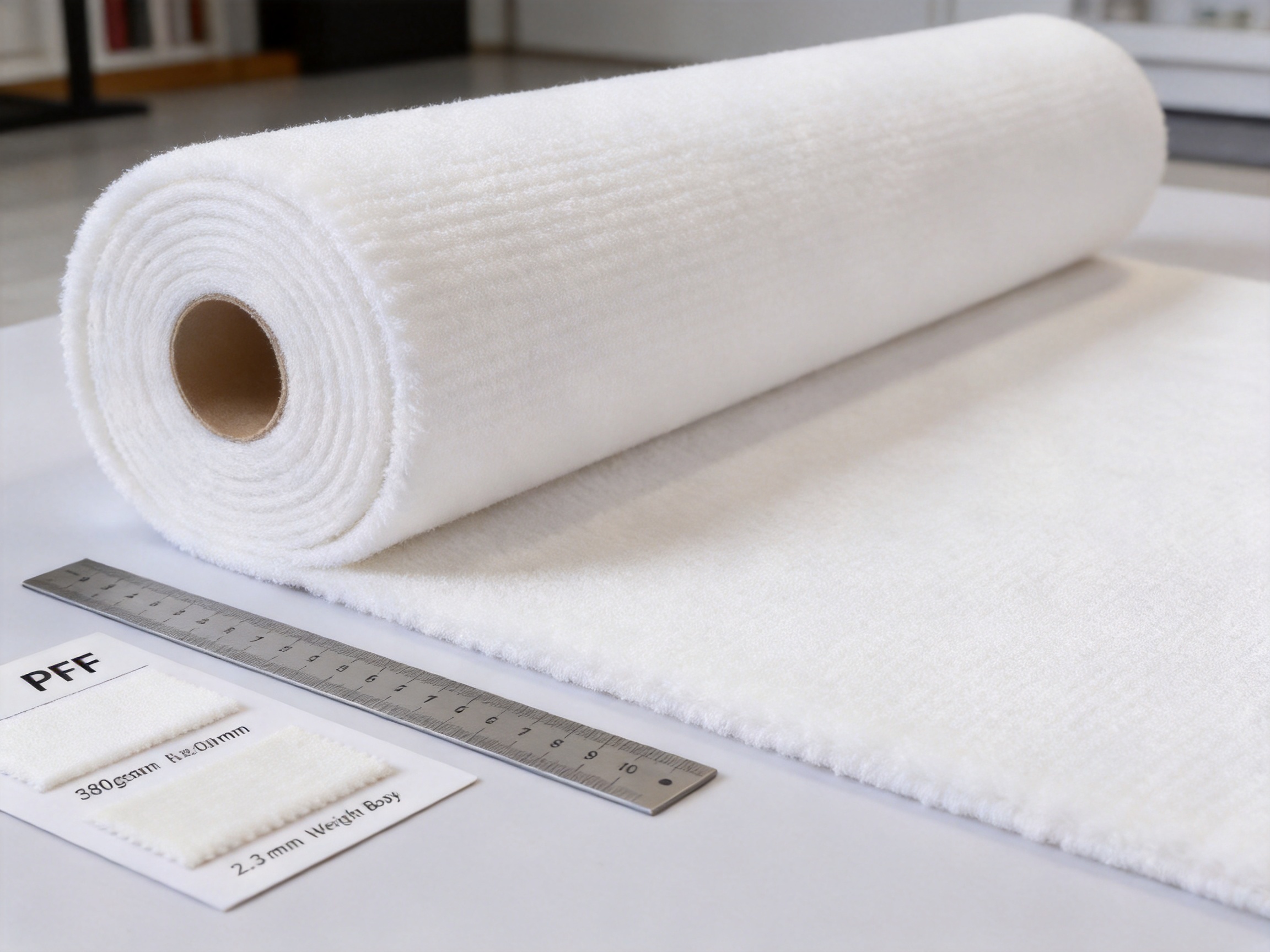
The fabric offers several advantages when compared with basic flat carpet textiles or less versatile low-cost alternatives. The first is its balance of weight and profile. A 380gsm construction provides a substantial feel, while the 2.5–3 mm pile remains relatively low and manageable. This balance can be difficult to achieve when a product is either too thin to feel durable or too thick to remain practical.
The second advantage is the combination of microfiber softness and looped functionality. Some carpet fabrics prioritize softness but lack surface friction, while others emphasize ruggedness at the expense of comfort. This construction is designed to combine a refined touch with a textured surface that can support practical floor-covering use.
The third advantage is design compatibility. The ability to use the fabric for digital printing and paper transfer printing gives manufacturers greater freedom than a material limited to plain coloration. Custom designs can support private-label product development, project-specific orders, promotional items, and fast-moving seasonal ranges.
The fourth advantage is width flexibility. Standard options of 170 cm, 190 cm, and 210 cm can accommodate common production requirements, while customized widths and a maximum stated width of up to 3.2 meters create additional opportunities for large-format work. This can help reduce cutting waste and limit unnecessary seams.
The fifth advantage is production integration. When a supplier has access to weaving or knitting, dyeing, printing, and finished carpet processing capabilities, buyers can communicate more efficiently across different stages of development. This can reduce the risk of specification gaps between separate suppliers and help maintain better control over quality and lead time.
The manufacturer operates in Shaoxing, Zhejiang, an important textile production center known for its broad industrial ecosystem. This location provides access to textile technology, skilled labor, raw-material networks, equipment suppliers, processing partners, and export logistics. Such an environment can support the continuous development of carpet fabrics and finished floor-covering products.
A major strength is the company’s control of multiple stages in the production chain. Its capabilities include weaving, dyeing and printing factories, and finished carpet processing factories. This integrated structure allows the supplier to manage more than one isolated manufacturing step. Instead of treating fabric production and finished carpet processing as unrelated activities, the business can evaluate how the base textile performs throughout the entire product-development process.
Vertical coordination can improve production communication. When technical questions arise regarding pile height, width, printing, finishing, cutting, backing, or packaging, information can move more directly between departments. This may reduce delays and make it easier to solve issues before they affect large-scale production.
Integrated manufacturing also supports quality control. Raw materials, knitted structures, surface appearance, printing results, roll packaging, and finished carpet conversion can be assessed as connected parts of the same product. This helps buyers obtain a more consistent product specification and can improve traceability during repeat orders.
The company has a team of more than 20 fabric engineers. A dedicated engineering group is valuable in a market where customers often request changes to width, weight, pile height, color, print effect, backing, or finished dimensions. Engineers can evaluate the technical feasibility of a request and help convert an initial product idea into a manufacturing specification.
New carpet fabrics are developed each quarter according to market trends. This regular development cycle supports product innovation and helps buyers access new constructions rather than relying only on long-established materials. It also demonstrates an effort to connect textile development with changing consumer preferences, interior design trends, and application requirements.
The product is supplied on a make-to-order basis. This approach is useful for buyers that need a defined specification rather than an off-the-shelf fabric with limited options. Customization may involve width, color, printing, pile-related details, and the final application for which the fabric is intended.
The minimum order quantity is 500 kilograms per color. This quantity is appropriate for professional carpet manufacturers, distributors, private-label brands, project suppliers, and importers planning a meaningful production run. It enables the supplier to organize production efficiently while giving buyers enough material to support a full collection or commercial order.
Make-to-order production can also provide better alignment between material output and customer demand. Instead of selecting from a fixed stock color or standard width, the buyer can discuss requirements before production begins. This may reduce the need for later modification and help ensure that the incoming material is suitable for the intended cutting, printing, or finishing process.
Buyers should provide complete technical information during the quotation stage. Important details may include required width, order quantity per color, print method, final product dimensions, backing requirements, packaging preferences, inspection standards, and delivery destination. Clear communication at the beginning helps reduce the possibility of misunderstandings later in the production cycle.
The stated delivery time is 15–20 days. For buyers working with seasonal collections, retail launches, promotional campaigns, or project deadlines, a defined lead-time expectation supports more accurate planning. Delivery timing may depend on order confirmation, color approval, printing requirements, production capacity, inspection, and shipping arrangements, so the final schedule should be confirmed for each order.
The fabric is packaged in rolls. Roll packaging is appropriate for long textile lengths because it helps maintain material organization and supports movement through printing, cutting, and carpet-making equipment. It also makes it easier for buyers to calculate available material, identify production lots, and store unused fabric for later use.
Upon arrival, the rolls should be inspected for packaging damage, moisture exposure, visible contamination, width variation, surface defects, and color consistency. Storage should take place in a dry, clean, and well-ventilated area. Rolls should be protected from prolonged direct sunlight, excessive humidity, sharp pressure points, and contact with substances that could stain or distort the textile.
Supply planning is especially important for repeat carpet programs. Buyers should consider forecast demand, production lead time, shipping time, inspection, cutting, printing, and finished-product assembly. Maintaining a reasonable purchasing schedule can help avoid production interruptions during peak seasons.
Professional buyers should establish a quality-control checklist before placing an order. The checklist may include material composition, weight, usable width, pile height, loop appearance, surface touch, color, roll length, packaging condition, and printing performance. For customized orders, the approved sample should be retained as a reference for future production.
Weight should be evaluated across different sections of the roll to identify unusual variation. Width should be measured at multiple points, particularly when the material will be used for large printed designs or precise cutting. Pile height and loop regularity should be checked visually and physically to ensure that the finished material matches the agreed specification.
For printed products, buyers may also evaluate color accuracy, design registration, sharpness, repeat alignment, surface coverage, and resistance to ordinary handling. Testing should be performed using the same printing and finishing process intended for commercial production because results can vary according to machine settings, inks, transfer papers, heat, pressure, and finishing treatments.
When the fabric is converted into an anti-slip mat, testing should focus on the complete product rather than the face fabric alone. Slip behavior, edge stability, dimensional change, moisture response, and cleaning performance should be considered together. This is especially important for products intended for bathrooms, kitchens, entrances, hotels, offices, and other areas with frequent pedestrian use.
Environmental responsibility is becoming increasingly important in carpet and textile procurement. The company emphasizes ecological and environmental protection, sustainable materials, and production methods that support more responsible manufacturing. Its stated development direction includes recycled polyester and water-saving dyeing techniques.
Recycled polyester can help reduce reliance on virgin petroleum-based feedstocks when correctly sourced and processed. Water-saving dyeing methods may reduce water consumption and lower the environmental burden associated with textile coloration. The actual environmental profile of a specific order depends on the selected raw material, energy source, dyeing system, printing process, transportation, packaging, and product lifespan.
The company also states that it has passed OEKO-TEX and GRS certifications. Buyers should request current certification documents and verify the scope of each certification for the relevant product, facility, and production period. Certification review is an important part of responsible sourcing because it helps buyers confirm whether the material and manufacturing process meet the standards required for a particular market.
Durability can also contribute to sustainability. A product that remains attractive and functional for a longer period may reduce the frequency of replacement. The 380gsm construction, polyester microfiber composition, and looped surface are designed to support a practical balance of comfort and service performance. Proper care, suitable backing, correct installation, and responsible cleaning remain essential to achieving the intended product life.
Carpet manufacturers can use the fabric as a flexible base for multiple finished products. Its standard width options, printable white surface, loop construction, and moderate weight make it suitable for developing a broad range of rugs and mats. The make-to-order model can support specific production requirements and repeat programs.
Importers and distributors can benefit from offering a fabric that supports both standard and customized carpet products. The material can serve customers seeking area rugs, printed mats, hospitality products, or private-label collections. Its application range makes it possible to target several market segments with one base construction.
Private-label brands often need distinctive designs, dependable quality, and manageable minimum quantities. The printable white polyester base allows brands to develop their own patterns and visual identities. A supplier with integrated fabric and finished-product capabilities can also assist with product development, sampling, and production coordination.
Interior designers and project suppliers may require customized dimensions, colors, and graphics. The available widths and maximum width capability support larger-format work, while digital printing can reproduce project-specific artwork. The material may be considered for residential developments, hotels, offices, retail spaces, educational facilities, and branded environments.
Promotional companies can use printed carpet fabric to create logo mats, event flooring, branded entrance products, and decorative campaign items. The polyester construction and printable surface provide a practical foundation for transferring high-visibility graphics onto a functional textile product.
A successful project should begin with a clear application brief. The buyer should define whether the final product is an area rug, door mat, bathroom mat, kitchen mat, carpet panel, promotional mat, or another floor-covering product. The intended location, traffic level, moisture exposure, cleaning method, and expected service life should also be recorded.
The next step is specification confirmation. Buyers should confirm the required fabric weight, width, pile height, color, printing method, order quantity, backing system, edge treatment, packaging, and delivery schedule. If the product will be sold in a regulated market, any required testing or certification should be identified at this stage.
Sampling should follow specification confirmation. A sample allows the buyer to evaluate surface softness, loop appearance, color, print quality, thickness, cutting behavior, and compatibility with the intended backing. For customized designs, a printed strike-off or approval sample should be reviewed before bulk production.
After approval, the supplier can schedule make-to-order production. The buyer should maintain communication during knitting, printing, inspection, and packaging. Clear documentation of the approved sample and technical requirements can help ensure consistency across the order.
Finally, the finished goods should be inspected upon receipt. Any quality concern should be documented with roll numbers, photographs, measurements, and a description of the issue. Early inspection supports faster resolution and helps maintain accurate records for future orders.
The maintenance requirements of a finished carpet or mat depend on the face fabric, backing, edge construction, printing method, and care instructions. In general, regular vacuuming can help remove loose dust and particles from the looped surface. Spills should be addressed promptly using a cleaning method appropriate for the finished product.
Manufacturers should provide clear care instructions to end users. Instructions may include recommended vacuum settings, spot-cleaning procedures, washing limitations, drying requirements, and warnings against harsh chemicals or excessive heat. If the product includes a special backing, the backing manufacturer’s care recommendations should also be considered.
For bathroom and kitchen applications, drying is especially important. The finished product should be allowed to dry thoroughly after cleaning or exposure to moisture. Persistent dampness can affect the backing, floor surface, odor, and overall service performance. Proper ventilation and suitable product placement can help maintain a cleaner and more stable installation.
The fabric’s low looped pile can support practical cleaning, but product care should always be validated on the completed carpet rather than assumed from the face fabric alone. Adhesives, coatings, latex, nonwoven layers, and anti-slip backings may react differently to water, heat, and detergents.
The fabric is made from 100% polyester microfiber. Its commercial name refers to an imitation nylon construction, but the listed material composition is polyester.
380gsm means that the fabric weighs approximately 380 grams per square meter. This gives the material a substantial feel while keeping it practical for roll handling, cutting, printing, and carpet production.
The pile height is approximately 2.5–3 mm. The pile is formed in a looped structure that provides texture, comfort, and increased surface friction.
Yes. The fabric can be used directly for digital printing or paper transfer printing. Its PFP white color provides a neutral base for customized patterns, graphics, and color designs.
Standard widths include 170 cm, 190 cm, and 210 cm. Customized widths can also be discussed, and the maximum stated width can reach up to 3.2 meters.
The primary applications are carpets, area rugs, and door mats. It can also be considered for bathroom mats, kitchen mats, promotional mats, carpet panels, and other floor-covering products when the complete construction is designed appropriately.
The fabric features an anti-slip-oriented surface and loop texture designed to increase friction with the soles of the feet. However, the final anti-slip performance depends on the backing, floor surface, moisture conditions, product dimensions, and installation method.
The minimum order quantity is 500 kilograms per color.
The fabric is packaged in rolls. Roll packaging supports transportation, storage, printing, cutting, and conversion into finished carpet products.
The stated delivery time is 15–20 days. The final schedule should be confirmed according to order specifications, color approval, production capacity, inspection, and shipping arrangements.
The listed supply type is make-to-order. Buyers should confirm production availability, specifications, and scheduling requirements before placing an order.
Yes. Width and product development requirements can be discussed. Buyers may also develop customized printed designs and finished carpet formats according to their application and market needs.
Buyers should request a sample and assess weight, width, pile height, loop regularity, surface touch, print quality, color, cutting behavior, and compatibility with the planned backing. For safety-sensitive applications, the complete finished product should also be tested.
The supplier has weaving, dyeing and printing factories, and finished carpet processing factories. It also has more than 20 fabric engineers and develops new carpet fabrics each quarter. This integrated structure supports customization, quality coordination, and production planning.
The company states that it has passed OEKO-TEX and GRS certifications. Buyers should request current documentation and verify that the certification scope covers the relevant product and manufacturing facility.
The 380gsm Imitation Nylon Fabric is a versatile polyester microfiber material developed for modern carpet and mat production. Its main strengths are the balanced 380gsm weight, 2.5–3 mm looped pile, refined microfiber touch, anti-slip-oriented texture, printable white surface, flexible width options, and compatibility with customized production.
For manufacturers, the fabric offers a practical foundation for area rugs, door mats, bathroom mats, kitchen mats, carpet panels, promotional products, and other floor-covering applications. Its surface can be used for digital printing or paper transfer printing, making it suitable for both standard collections and highly customized designs.
The product is further supported by an integrated manufacturing system that connects textile production, dyeing, printing, engineering, and finished carpet processing. This structure can help improve communication, maintain quality, support product development, and manage lead times more effectively than a fragmented supply chain.
With standard widths of 170 cm, 190 cm, and 210 cm, customized width possibilities, and a maximum stated width of up to 3.2 meters, the material can serve both conventional and large-format production needs. The make-to-order model and 500-kilogram-per-color minimum order quantity make it particularly suitable for professional buyers planning commercial production, private-label programs, and customized carpet collections.
Before ordering, buyers should confirm the complete technical specification, request samples, evaluate printing and backing compatibility, and establish quality-control requirements. When properly selected and converted, this fabric can help create floor-covering products that combine comfort, visual customization, practical surface performance, and efficient manufacturing.
1. Product technical specification for 380gsm Imitation Nylon Fabric, item model number 100076.
2. Internal product information regarding polyester microfiber composition, knitted construction, pile height, widths, packaging, minimum order quantity, and delivery time.
3. Textile manufacturing information regarding digital printing, paper transfer printing, looped carpet surfaces, and roll-based production.
4. General industry guidance on carpet pile construction, textile weight, floor-covering design, and product quality control.
5. General sustainability guidance concerning recycled polyester, water-saving dyeing, textile certification, and responsible supply-chain management.
6. Supplier-provided information regarding integrated textile production, engineering resources, customized development, and finished carpet processing.

ADD: No.75 Zhenyuan Road, Yuecheng District, Shaoxing City, Zhejiang Province, China 312000

Tel : +86-189 6750 9795

FAX : +86-0575-8803 2773

Email : fisher@benetextile.com

Copyright © Zhejiang Benyi Textile Technology Co., Ltd. All Rights Reserved. Carpets and Rugs Manufacturer

 English
 Français
 Deutsch
 عربى