

Tang Meilin — Customer Success and Product Support Specialist
 Home / Author / Tang Meilin — Customer Success and Product Support Specialist / Imitation Cashmere Carpet with Ultra-Fine Yarn: A Soft, Washable, and Customizable Area Rug Solution
  2026.09.08
 Tang Meilin — Customer Success and Product Support Specialist
In modern home furnishings, consumers want more than a decorative floor covering. They look for softness, visual appeal, durability, easy maintenance, safety, and value in one product. The Imitation Cashmere Carpet with Ultra-Fine Yarn is designed to respond to these expectations by combining a luxurious hand feel with practical performance. Made from 100% polyester microfiber, this printed area rug offers the plush touch associated with premium cashmere-inspired textiles while remaining easier to maintain and more accessible for everyday use.
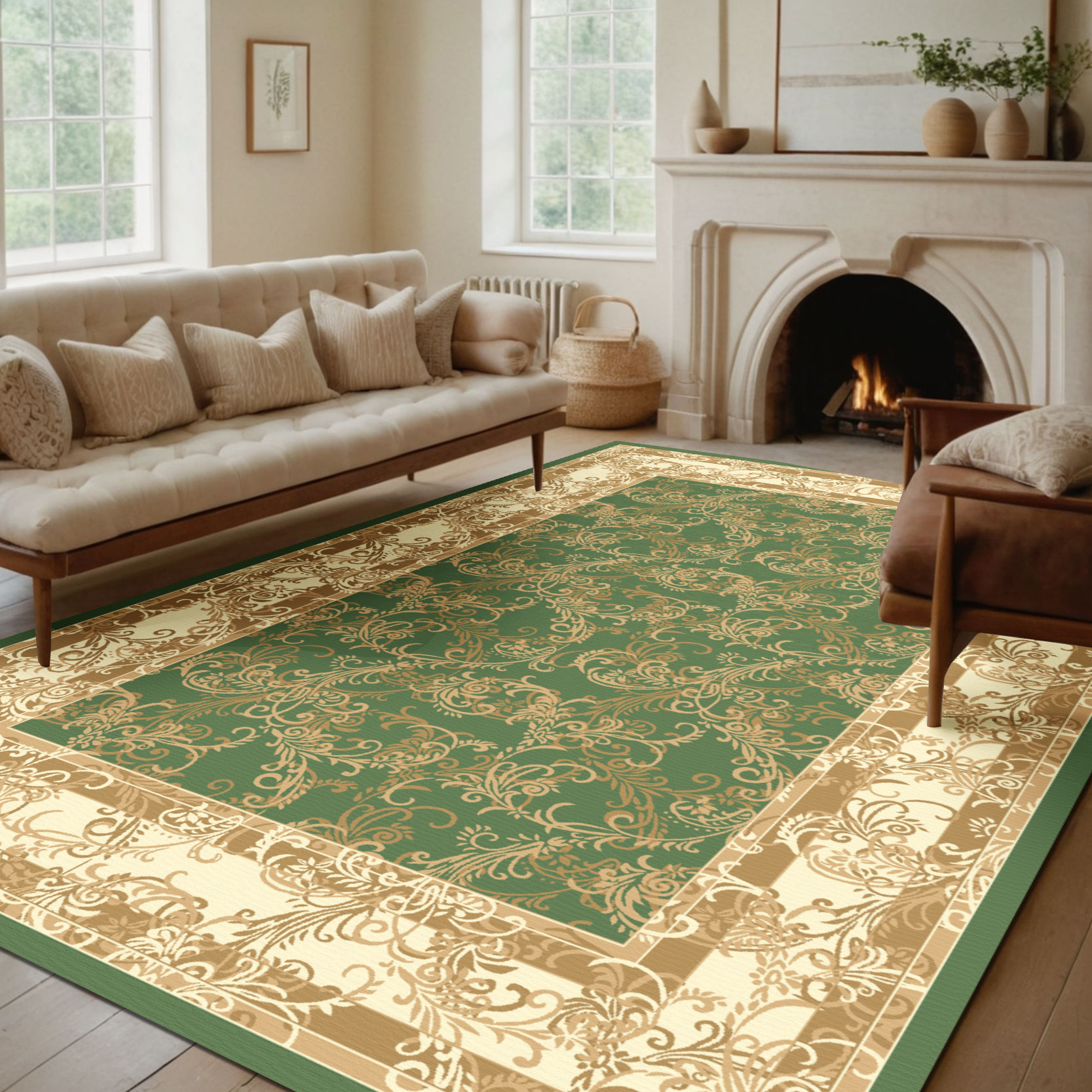
This product is suitable for residential interiors, hospitality projects, home textile collections, furniture retailers, interior design programs, and private-label rug brands. Its low 5 mm pile, bonded construction, soft TPR and cotton fabric backing, washable design, and digital printing capability create a versatile platform for many room styles. Traditional Persian motifs, Moroccan patterns, contemporary geometry, classic ornamentation, and cartoon graphics can all be developed on the same basic carpet construction.
For wholesalers and home textile brands, the product also offers advantages beyond appearance. It is supported by an integrated manufacturing model that includes weaving, dyeing and printing, and finished carpet processing. This type of production structure can improve quality consistency, shorten communication paths, support customized development, and provide better control of lead time. The result is a carpet program that combines a refined surface, flexible design possibilities, and industrial production strengths.
Content
An imitation cashmere carpet is a floor covering engineered to reproduce the soft, smooth, and comfortable hand feeling associated with cashmere while using a more practical fiber system. In this product, ultra-fine polyester microfiber is used to create a surface that feels gentle underfoot and pleasant to touch. Polyester is selected not because it imitates every property of natural cashmere, but because it offers a useful balance of softness, durability, color performance, cleanability, and production flexibility.
The expression “imitation cashmere” describes the tactile and visual concept of the product. It does not mean that the carpet contains genuine cashmere. Instead, the ultra-fine yarns are developed and processed to provide a luxurious surface impression at a more manageable cost. This makes the carpet appropriate for consumers who want an elegant atmosphere without the price, care requirements, and limited design flexibility often associated with premium natural fibers.
Unlike a thick shag rug, this product uses a 5 mm low pile. The low-profile construction gives the rug a neat appearance and allows it to sit comfortably beneath furniture, near entryways, beside beds, in dining areas, or in frequently used living spaces. It can provide softness without creating an overly bulky visual effect.
The product is classified as a printed area rug with a rectangular form. Standard size options include 2 ft by 3 ft, 2 ft by 6 ft, 3 ft by 5 ft, 4 ft by 6 ft, 5 ft by 7 ft, 6 ft by 9 ft, and 8 ft by 10 ft. Custom sizing is also available, allowing buyers to develop assortments for different markets, room dimensions, retail programs, and project requirements.
| Specification | Product Information |
|---|---|
| Product name | Imitation Cashmere Carpet with Ultra-Fine Yarn |
| Product category | Printed area rug |
| Rug form | Rectangular area rug |
| Material | 100% polyester microfiber |
| Weight | Approximately 1150 gsm |
| Pile height | 5 mm |
| Construction type | Bonded |
| Backing | TPR plus cotton fabric |
| Usage | Indoor |
| Care method | Machine washable |
| Pattern capability | Persian, Moroccan, modern, classic, geometric, cartoon, and custom artwork |
| Special features | Soft hand feel, fade resistance, washable construction, and skid-resistant backing |
| Available sizes | Standard sizes and custom dimensions |
These specifications make the carpet adaptable to both consumer and commercial product lines. A retailer can offer compact accent rugs, bedside runners, medium living-room sizes, and large statement rugs without changing to an entirely different product platform. A brand can also combine multiple designs and sizes into a coordinated collection.
The principal feature of this carpet is its ultra-fine yarn construction. Fine microfiber can create a dense, smooth, and comfortable surface with a soft hand feeling. When the fibers are carefully processed and printed, they can produce a refined appearance that supports both subtle tonal designs and detailed decorative patterns.
Softness is especially important in bedrooms, children’s rooms, reading corners, family rooms, and areas where people frequently walk without shoes. A pleasant tactile experience can improve the perceived value of a rug and help distinguish it from ordinary low-cost floor coverings. The carpet is intended to feel indulgent while remaining suitable for practical household use.
The surface also supports a more polished visual effect. Ultra-fine fibers can help create smooth color transitions and a more delicate presentation of printed details. Depending on the artwork, the rug may present a traditional ornamental appearance, an understated modern look, or a playful design for children’s interiors.
Compared with coarse or stiff synthetic fibers, microfiber can provide a more comfortable touch. Compared with high-pile constructions, the 5 mm pile is easier to place beneath furniture and generally less likely to interfere with doors or create an excessive trip point. The combination of softness and low pile is one of the product’s most practical competitive advantages.
A rug must withstand more than occasional visual inspection. It is stepped on, moved, vacuumed, exposed to sunlight, and sometimes subjected to food spills, household dust, or children’s activities. The use of polyester microfiber gives this area rug a durable foundation for regular indoor use. Polyester is widely used in home textiles because it can retain useful strength while supporting color and design consistency.
The product is designed with fade resistance as one of its special features. Fade resistance is valuable in rooms with natural daylight, particularly living rooms, dining areas, bedrooms, and open-plan interiors. No textile should be considered completely immune to fading under every condition, but appropriate fiber selection and printing control can help the carpet maintain its decorative appearance during normal indoor use.
The approximately 1150 gsm weight provides a substantial textile presence without making the rug excessively heavy or difficult to handle. The final performance of any rug depends on size, handling, flooring condition, traffic, cleaning frequency, and installation environment. Even so, this weight and construction are intended to provide a stable balance between comfort, usability, and manageable logistics.
The bonded construction contributes to the product’s overall structure. By combining the surface and backing through a controlled manufacturing process, the factory can create a finished rug that is convenient for retail packaging and consumer installation. Bonded construction is also compatible with the product’s washable and foldable concept.
The back of the carpet uses TPR combined with cotton fabric. TPR, or thermoplastic rubber, can provide flexibility and grip. In this design, the backing is intended to help the rug remain stable on suitable indoor floors while preserving a soft, foldable feel.
The skid-resistant backing is an important alternative to rugs that require a separate rug pad. Although flooring conditions vary and a pad may still be useful in certain situations, the integrated backing is designed to reduce unwanted movement during normal household use. This can simplify installation for customers and eliminate the need to purchase another component.
The cotton fabric element supports the backing structure and contributes to the textile character of the finished product. The combination of TPR and cotton fabric offers a practical balance: the TPR layer helps with grip and flexibility, while the fabric layer supports construction and handling.
Because safety and stability depend on the floor surface, users should place the rug on a clean, dry, and level indoor floor. Dust, moisture, wax, or uneven flooring may affect grip. Clear care and placement instructions remain important for responsible product use, especially in homes with young children, older adults, or pets.
Imitation Cashmere Carpet (Ultra-fine Yarn)
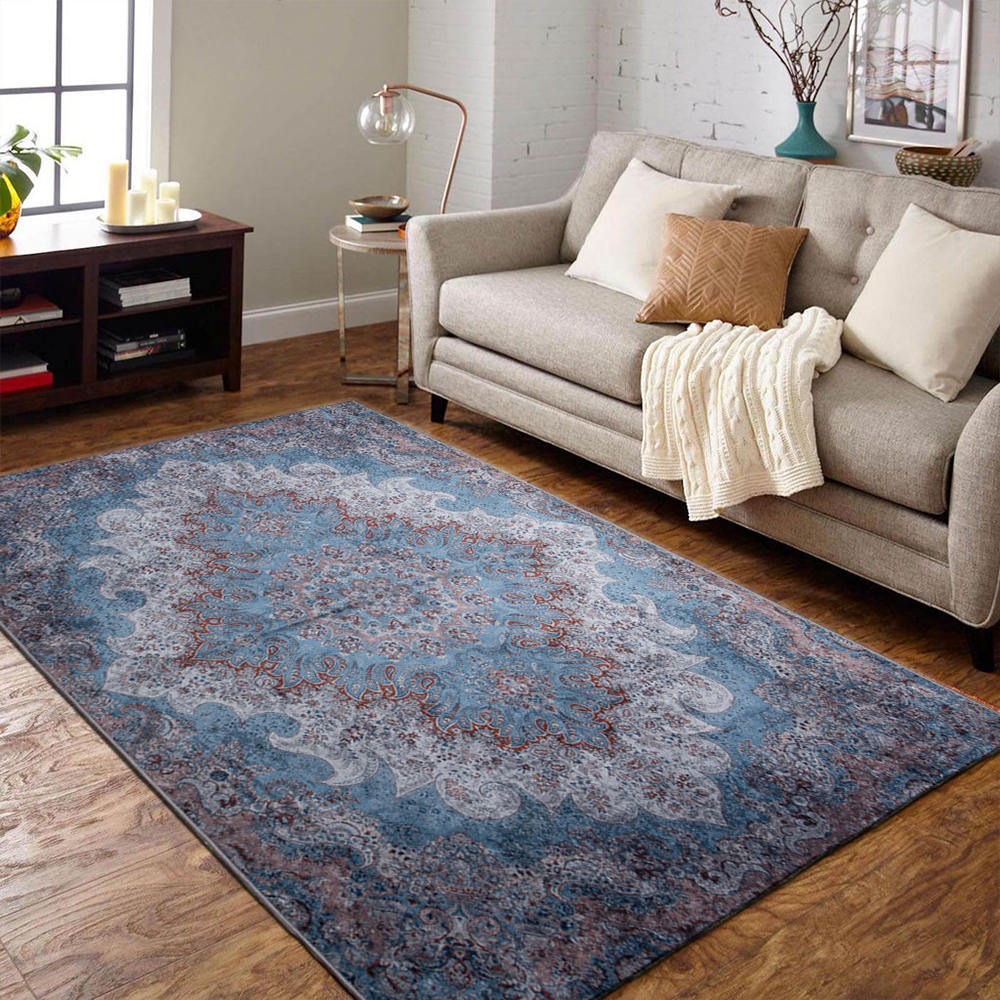
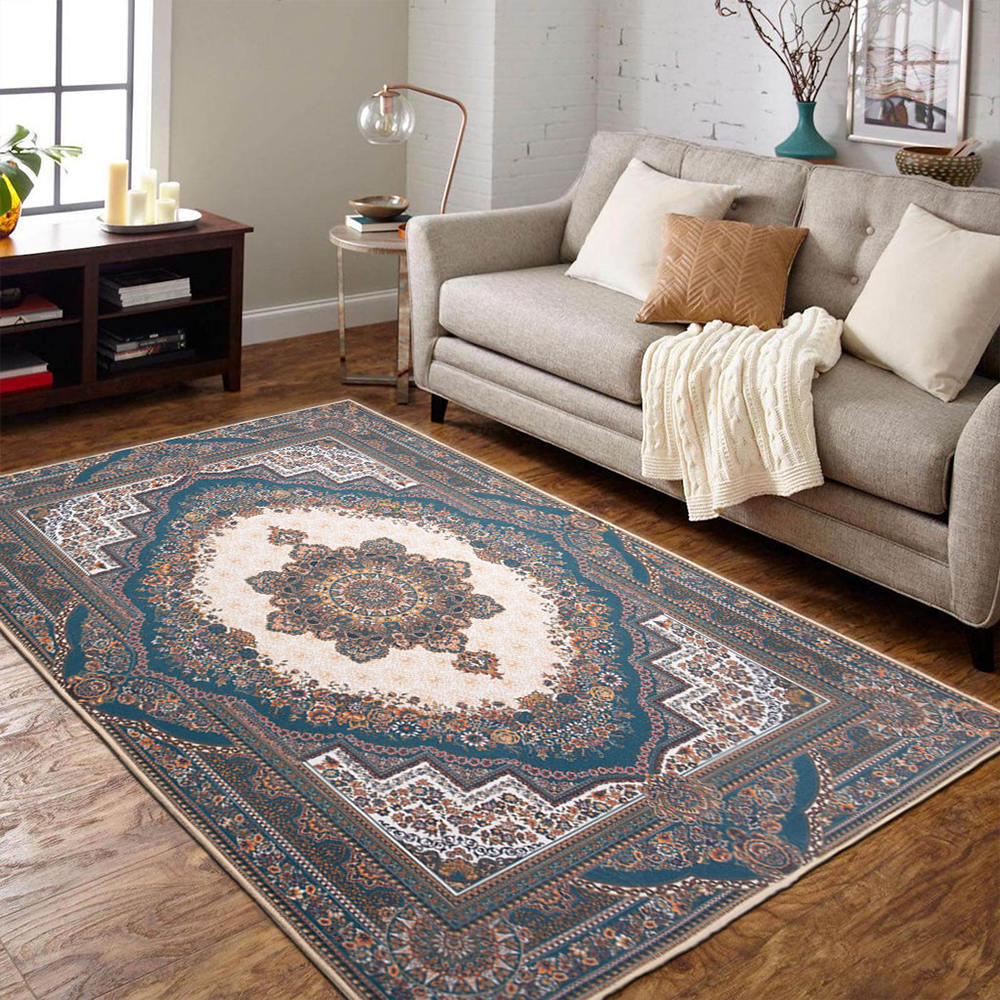
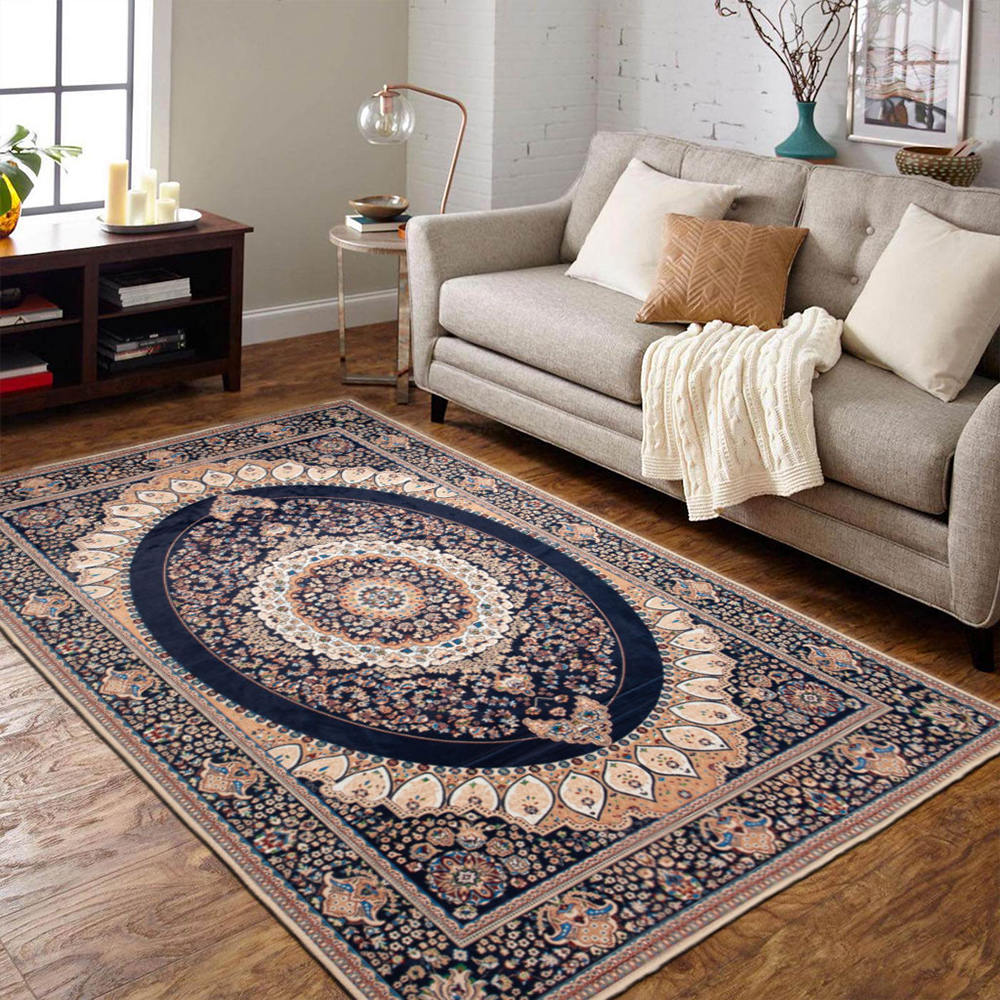
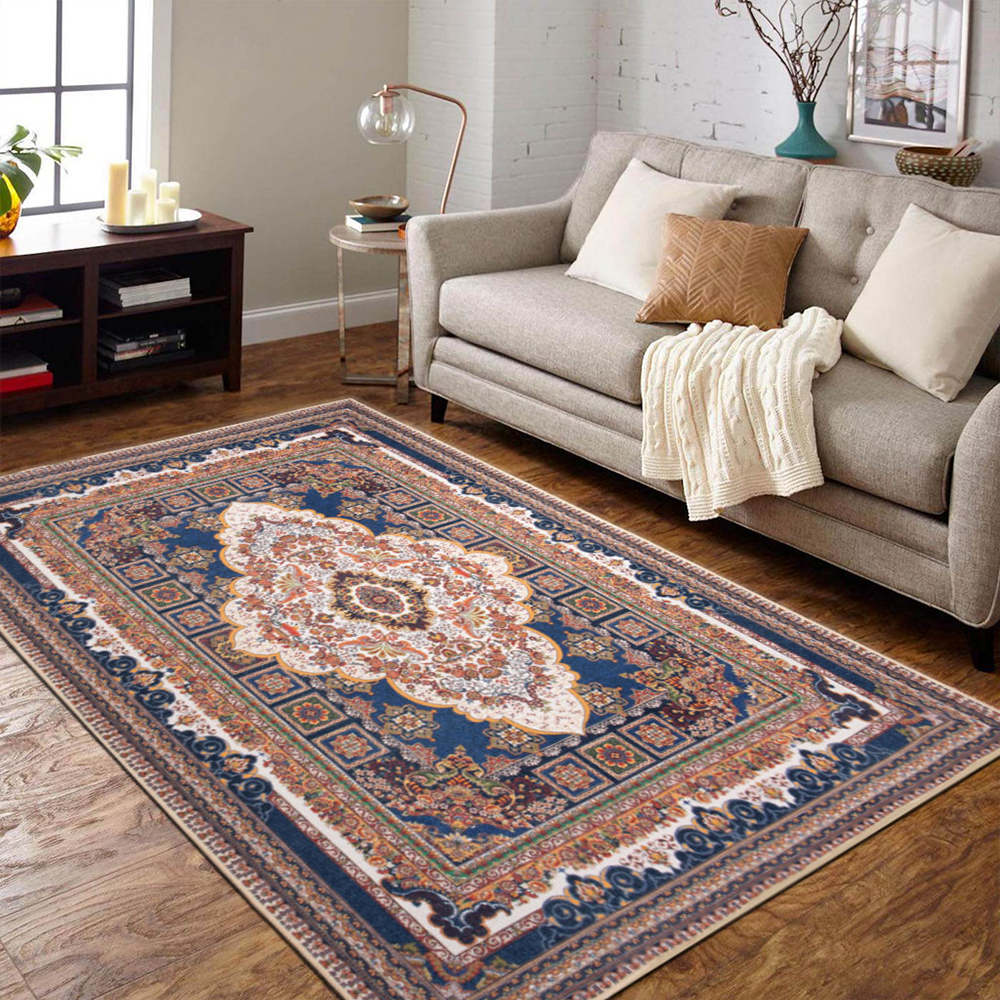
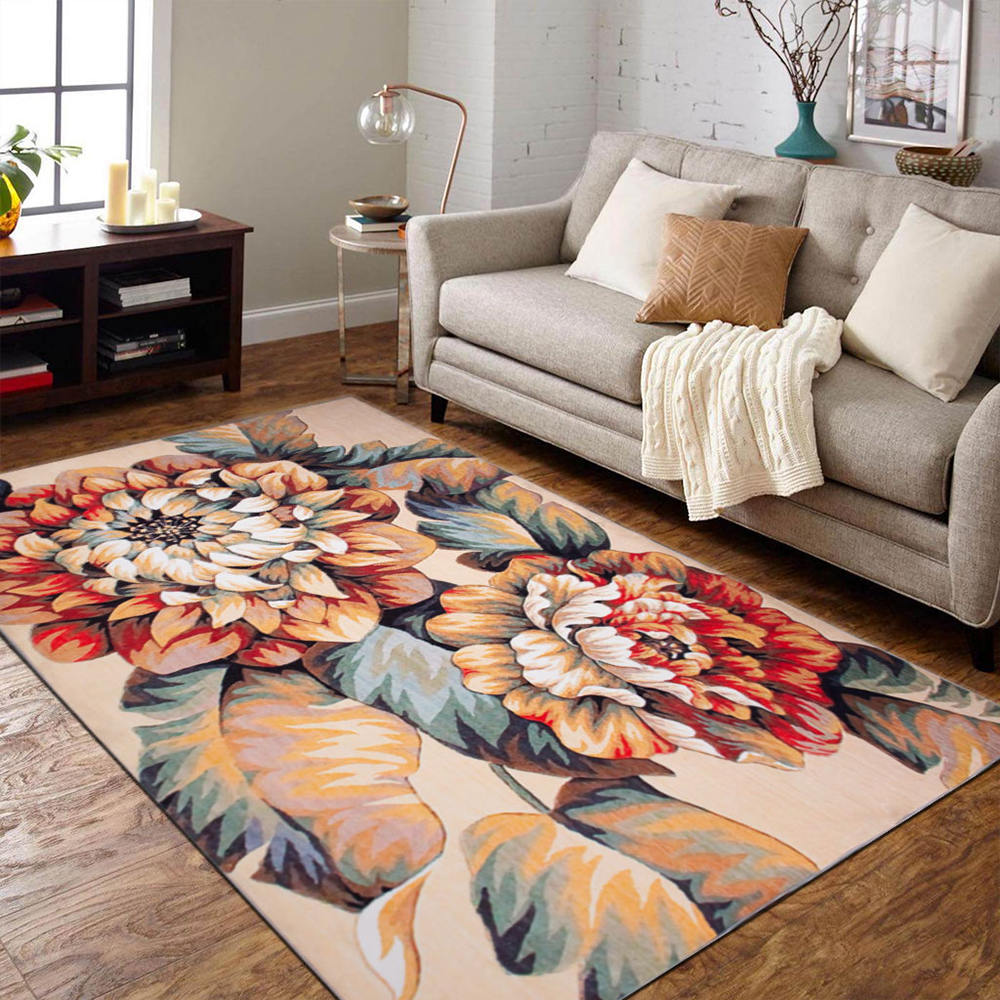
One of the strongest advantages of this area rug is its digital printing capability. The production system can accommodate a wide range of visual directions, including Persian, Moroccan, modern, classic, geometric, and cartoon styles. This gives product developers the ability to create collections that address different age groups, room types, regional preferences, and interior design trends.
Traditional Persian-inspired patterns can introduce ornamental borders, medallions, floral motifs, and an established decorative character. Moroccan-inspired designs may use rhythmic geometry, diamond forms, lattice arrangements, or simplified ethnic references. Modern patterns can focus on abstract forms, restrained color palettes, or clean visual balance. Geometric artwork can support contemporary furniture and minimalist rooms, while cartoon designs can be developed for children’s spaces.
Digital printing is also useful for testing new designs. A brand may develop a seasonal collection, evaluate several colorways, or introduce a limited-edition pattern without committing to the same tooling approach used for some conventional production methods. This flexibility can help buyers respond to changing market demand.
Custom artwork can be prepared according to customer requirements, subject to technical review and production conditions. Buyers may request particular colors, motifs, dimensions, or coordinated patterns. For private-label programs, digital printing can help create a more distinctive assortment instead of relying only on generic designs shared across multiple suppliers.
The ability to print diverse artwork onto a soft microfiber surface provides a competitive advantage over products limited to a narrow range of woven patterns or basic solid colors. It also allows one factory platform to serve multiple market segments. A single manufacturing partner can support traditional home décor, contemporary apartment furnishings, children’s products, hospitality concepts, and promotional collections.
The 5 mm pile height is carefully suited to everyday furniture and room layouts. High-pile rugs can create a plush appearance, but they may be difficult to position under furniture, harder to vacuum, and more likely to interfere with doors or rolling chairs. A low-pile area rug provides a cleaner profile and is easier to integrate into a broad range of interiors.
In a bedroom, the rug can be placed beside or partly beneath a bed to create a warm landing area. In a living room, it can define a seating zone without overwhelming the sofa, coffee table, or side chairs. In a dining area, the low pile can make it easier to move chairs while maintaining an attractive visual base beneath the table.
Although the listed product category is a printed area rug, the available size range allows it to perform in multiple room arrangements. The 2 ft by 3 ft format may be used beside a bed, in a reading corner, or as a decorative accent. The 2 ft by 6 ft format can work as a narrow runner-like piece. Larger formats can anchor full seating groups or create a more complete floor statement.
The low pile is also appropriate for modern consumers who prefer a neat, uncluttered appearance. It provides the softness of a textile floor covering without the deep, visually heavy profile of a thick shag rug. This makes it compatible with Scandinavian, contemporary, transitional, classic, and eclectic design schemes.
Ease of maintenance is a major consideration when consumers compare rugs. A beautiful rug that is difficult to clean may be unsuitable for active homes. This carpet is designed for machine washing, offering a practical care option for dust, everyday soil, and certain household spills.
Machine washability can be especially valuable in children’s rooms, kitchens, dining areas, entry spaces, and homes with pets. Instead of relying only on professional cleaning or spot treatment, the user can follow the recommended washing and drying instructions for regular care. The ability to fold the rug also makes handling more convenient before and after cleaning.
Proper care remains essential. Users should remove loose dirt before washing, check the product label for the recommended machine setting, avoid unsuitable chemicals, and ensure that the rug is thoroughly dried before placing it back on the floor. Large rugs should be washed only in equipment capable of handling their size and weight. Care requirements may vary by rug size, artwork, and local washing conditions.
The washable design is a strong point compared with delicate natural-fiber rugs that may require specialized cleaning. It also supports long-term value because routine maintenance can help preserve the rug’s appearance and hygiene. For a retailer, washability is a clear and understandable selling point that can be communicated easily to end customers.
The carpet is intended for indoor use and can be incorporated into many residential and commercial-style settings. Its combination of softness, low pile, decorative printing, and skid-resistant backing supports a broad application range.
In living rooms, the rug can provide a visual anchor for sofas, coffee tables, lounge chairs, and media furniture. A Persian or classic pattern can create a traditional atmosphere, while geometric or modern artwork can complement streamlined furnishings. The low pile helps the rug remain visually controlled in open-plan rooms.
Bedrooms benefit from soft textures and comfortable surfaces. A rug placed beside the bed can provide a warmer feeling underfoot in the morning. Larger sizes can be positioned beneath part of the bed and surrounding furniture to create a coordinated sleeping area. Gentle colors and subtle patterns are suitable for calm interiors, while bolder designs can make the rug a focal point.
A rug beneath a dining table can define the eating area and add pattern to an otherwise plain floor. The low pile is helpful because dining chairs need to move smoothly. Since dining areas are exposed to crumbs and occasional spills, the machine-washable design is an important practical benefit.
In kitchens, a smaller area rug or narrow format can add softness and visual interest near a preparation area or sink. The skid-resistant backing may help reduce movement on suitable floors. Because kitchens experience frequent activity, buyers should follow proper cleaning instructions and avoid allowing moisture to remain beneath the rug.
Cartoon artwork, colorful graphics, and playful patterns can make this product attractive for children’s spaces. The soft surface is comfortable for floor-based play, reading, and activities. The washable construction is also helpful in rooms where spills and everyday messes are more likely.
Smaller sizes can be used in indoor entrance areas or transitional zones. The low pile is less likely to obstruct doors than a thick rug. However, the product is intended for indoor use, so it should not be treated as an outdoor carpet or placed where it is continuously exposed to rain, standing water, or outdoor weather.
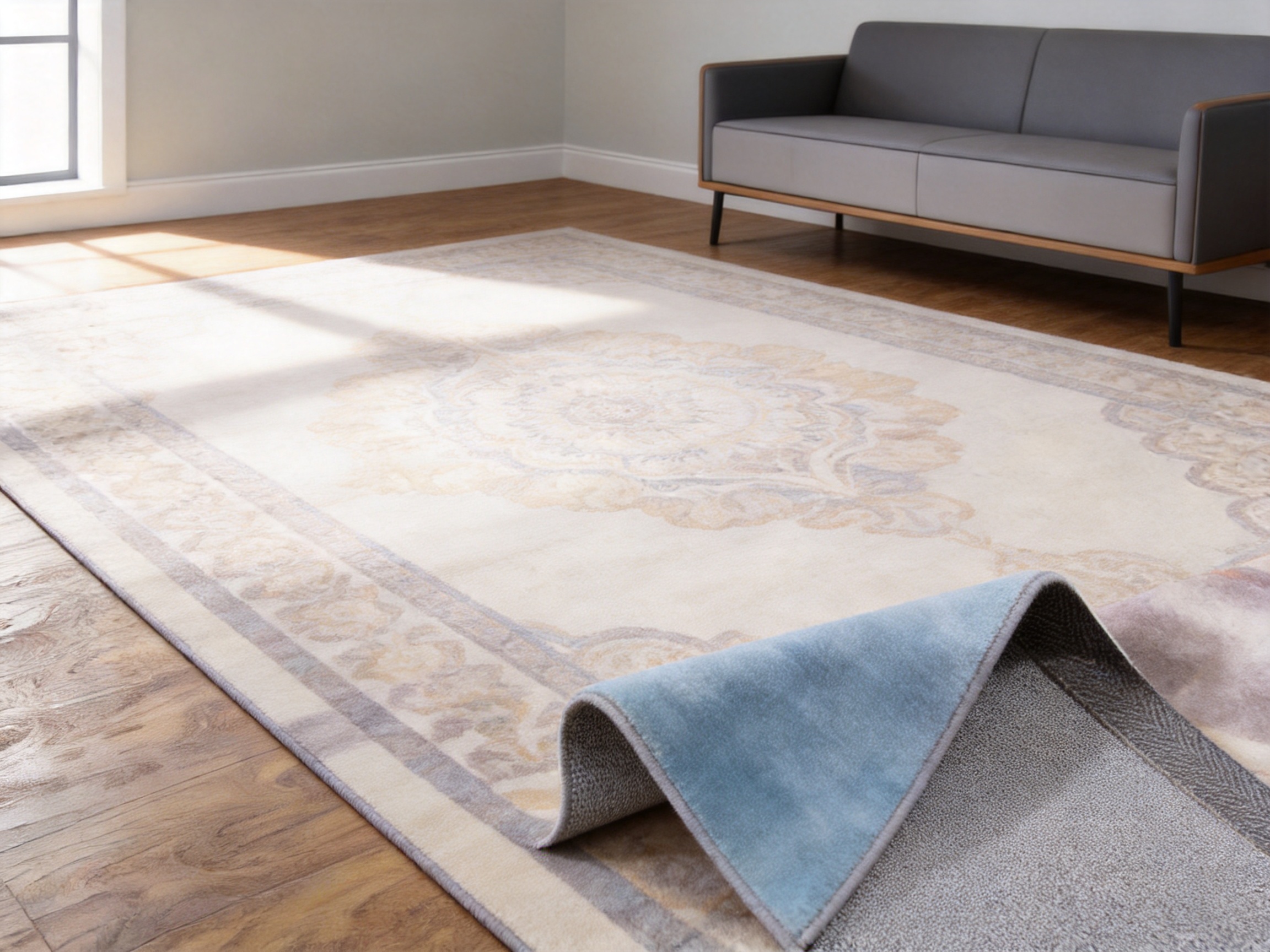
The Imitation Cashmere Carpet offers a combination of qualities that is difficult to achieve with a single conventional rug type. It is softer and more refined than many basic polyester floor coverings, more washable and economical than many delicate luxury-fiber products, and more design-flexible than rugs restricted to a limited woven pattern library.
Compared with genuine cashmere or other delicate luxury fibers, the product provides easier maintenance and greater practicality for regular household use. Genuine cashmere is valued for its natural softness, but it is expensive and may require careful handling. The imitation construction allows brands to offer a cashmere-inspired experience at a more accessible price point while supporting machine washing and a broader selection of printed artwork.
Compared with thick shag rugs, the 5 mm pile is easier to place beneath furniture and generally simpler to clean. A low-profile surface can also be more suitable for homes where doors, chairs, robot vacuums, or mobility considerations make high pile less convenient.
Compared with inexpensive flat synthetic mats, the ultra-fine microfiber surface provides a more elevated hand feel and decorative appearance. The product is not positioned as a disposable floor accessory; it is designed to provide a combination of comfort, visual refinement, and regular-use performance.
Compared with rugs that require a separate anti-slip pad, the TPR and cotton fabric backing provides an integrated skid-resistant solution. This can simplify the shopping experience and reduce additional installation expense. The actual grip will depend on the floor surface, but the integrated backing remains a meaningful product feature.
Compared with suppliers that focus only on standard designs, the digital printing capability provides broader customization. A buyer can select from multiple design families or develop artwork for a specific market. This is useful for retailers seeking differentiated collections and for home textile brands building a consistent visual identity.
The product is manufactured by Zhejiang Benyi Textile Technology Co., Ltd., a textile technology company located in Shaoxing, Zhejiang Province. Shaoxing is widely recognized as an important textile production center, often associated with extensive fabric, dyeing, printing, and finished textile capabilities.
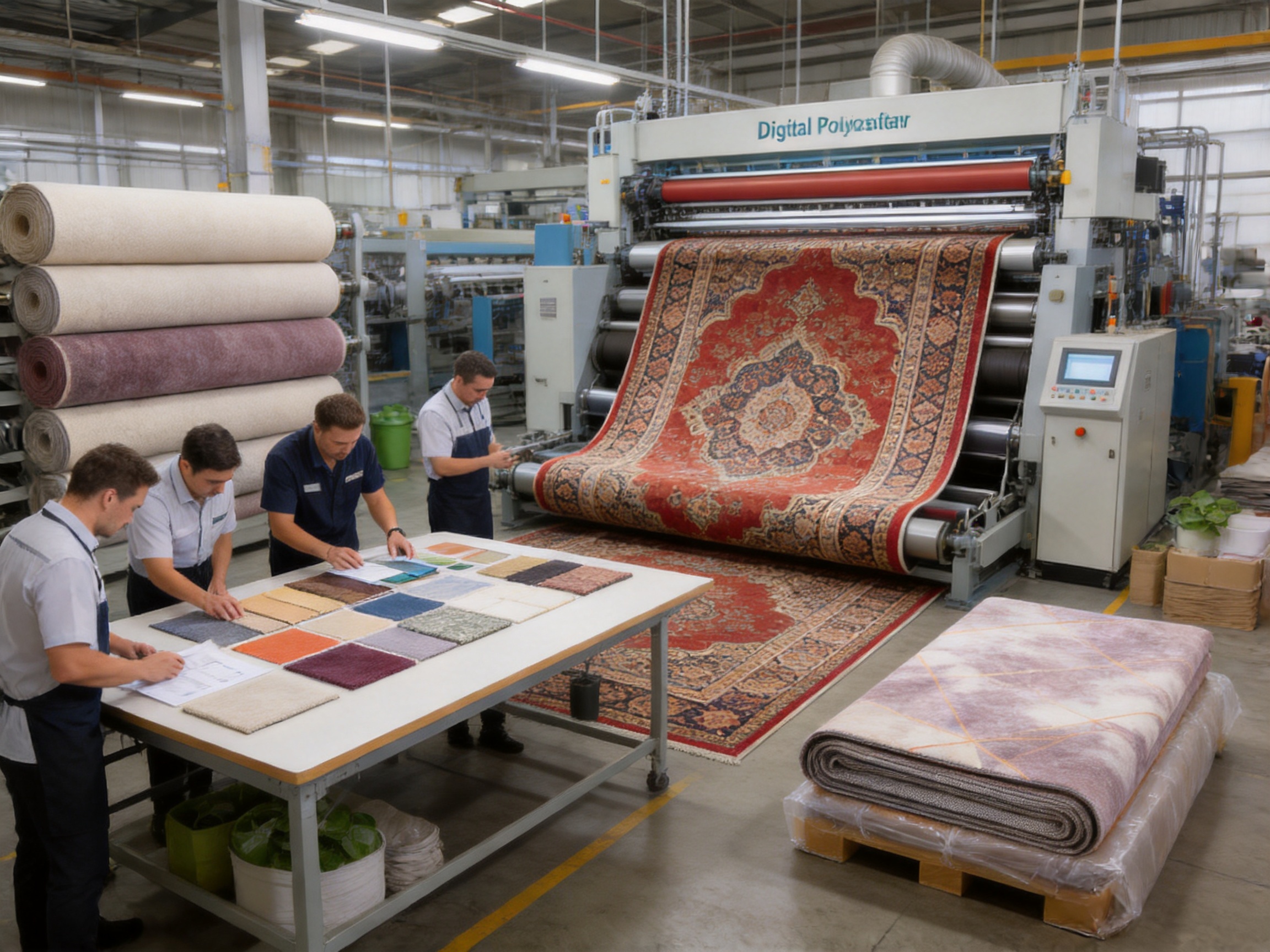
The company focuses on carpets, rug fabrics, and finished carpet products. Its production model combines the carpet surface and backing through an integrated process rather than treating every stage as an isolated activity. This approach is intended to make carpet production simpler and more efficient while supporting control over quality and delivery schedules.
The company has its own weaving, dyeing and printing factories, and finished carpet processing factories. Control over these stages can improve coordination between material development, color execution, surface production, backing application, cutting, finishing, inspection, and packing. When production steps are managed within a connected supply chain, buyers can communicate more directly about technical requirements and product adjustments.
Vertical manufacturing capability is especially valuable for customized products. A custom rug may require coordination between artwork preparation, color approval, fabric construction, dimensions, backing, finishing, packaging, and shipment. A company with internal or closely controlled production resources can reduce the risks associated with excessive outsourcing and fragmented communication.
The organization also has a team of more than 20 fabric engineers. This development team creates new carpet fabrics based on market trends each quarter and provides customized services according to customer requirements. A dedicated engineering group can contribute to product improvement, surface development, color testing, construction adjustments, and new application concepts.
For buyers, manufacturing strength should be evaluated not only by machinery but also by the ability to manage the entire product process. A reliable supplier needs to understand the commercial purpose of a rug, the target consumer, the expected care method, the design language, and the requirements of packaging and delivery. The company’s combined technical and production resources are intended to support this broader service.
The manufacturing process begins with material selection. For this product, polyester microfiber is chosen for its soft hand feeling, durability, design compatibility, and practical care performance. The fiber must be prepared in a way that supports a consistent surface and dependable printing results.
Weaving or surface formation creates the base textile structure. The quality of this stage influences the uniformity, density, and appearance of the carpet. Consistent fabric formation is important because irregularities can affect print clarity, touch, cutting, and final appearance.
Dyeing and digital printing provide the decorative identity of the product. Before bulk production, artwork and color requirements can be reviewed to ensure that the selected design is appropriate for the material and intended size. Digital printing allows detailed patterns and a wide range of visual themes to be transferred onto the carpet surface.
The printed surface is then combined with the TPR and cotton fabric backing. This stage must be controlled carefully to achieve secure bonding, appropriate flexibility, and a smooth finished form. The backing should provide support without making the rug unnecessarily rigid or difficult to fold.
After bonding, the carpet is cut into the required dimensions. Standard sizes can be produced for regular collections, while custom sizes can be prepared for specific customer programs. Edge treatment, surface inspection, finishing, folding, and packing follow according to the product requirements.
Quality control may include reviewing the material, color consistency, print clarity, dimensions, surface condition, bonding, backing, and overall appearance. Specific inspection procedures can vary by order and customer agreement, but a controlled production chain gives the manufacturer a stronger foundation for repeatable results.
Quality consistency is particularly important for rugs because customers often purchase multiple sizes or coordinate several patterns in one room. If color, surface texture, or backing performance varies significantly between products, the collection may appear less professional. Integrated manufacturing can help reduce variation by keeping key stages within a coordinated production system.
Supply chain control also matters for lead time. When weaving, printing, backing, and finishing are separated among unrelated factories, delays in one stage can affect the entire order. A manufacturer with connected production resources can schedule operations more effectively and communicate changes more efficiently.
For wholesale buyers, this may support more dependable product planning. Retail programs often require a collection to arrive within a particular sales window, seasonal launch, or promotional period. Better coordination between product development and production can help the buyer manage inventory and marketing activities with greater confidence.
Quality control does not replace clear customer specifications. Buyers should still confirm dimensions, artwork, color references, packaging, labeling, testing requirements, production tolerances, and delivery terms before placing an order. However, the manufacturer’s integrated structure provides a stronger base for meeting those requirements.
The company describes environmental protection and consumer health as important elements of its textile technology strategy. It invests in sustainable materials and production methods, including recycled polyester and water-saving dyeing techniques. These efforts reflect broader industry demand for more responsible textile manufacturing.
Recycled polyester can help reduce reliance on new petroleum-based raw materials when appropriately sourced and processed. Water-saving dyeing methods may reduce the water intensity of textile production compared with less efficient approaches. The specific environmental benefit depends on the material source, production system, energy mix, chemical management, and verification method, so buyers should request relevant documentation for particular orders.
The company has passed OEKO-TEX® and GRS certifications according to the supplied company information. OEKO-TEX® certification is commonly associated with testing textiles for harmful substances under the applicable standard, while GRS is associated with recycled content and chain-of-custody requirements. Certification scope, certificate validity, and product coverage should always be confirmed for the exact item and current production period.
Responsible production is increasingly important to retailers and consumers. A rug collection that combines attractive design, durability, washability, and credible material information can provide stronger value than a product marketed only on appearance. Clear documentation helps buyers communicate more accurately with their own customers.
The product is well suited to wholesale and private-label development. Buyers can select standard sizes and existing design directions or discuss custom requirements. Customization may involve pattern style, color palette, dimensions, artwork, labeling, packaging, and collection planning.
A home textile brand might create a coordinated range using one Persian-inspired design in several sizes. Another buyer might develop a modern geometric series in neutral tones for contemporary apartments. A children’s retailer could request playful artwork in bright colors. Hospitality or interior design customers may require custom dimensions and a controlled palette that matches a broader furnishing concept.
Digital printing gives buyers the opportunity to develop designs that are more closely connected to their target markets. This can help reduce direct comparison with generic products and create a recognizable collection identity. Custom development may also support seasonal launches, regional preferences, or exclusive retail programs.
When planning a custom order, buyers should provide high-quality artwork, specify color expectations, identify target sizes, confirm the intended room use, and agree on sample approval procedures. It is useful to evaluate a physical sample because digital images and display screens may not reproduce the exact surface, color, and texture of the finished rug.
Packaging should also be discussed early. The product is easy to fold, which may support efficient packing and shipping. Depending on the market, buyers may request individual polybags, paper bands, carton packing, barcodes, care labels, or private-label inserts. Packaging must protect the rug while presenting the product clearly to the end customer.
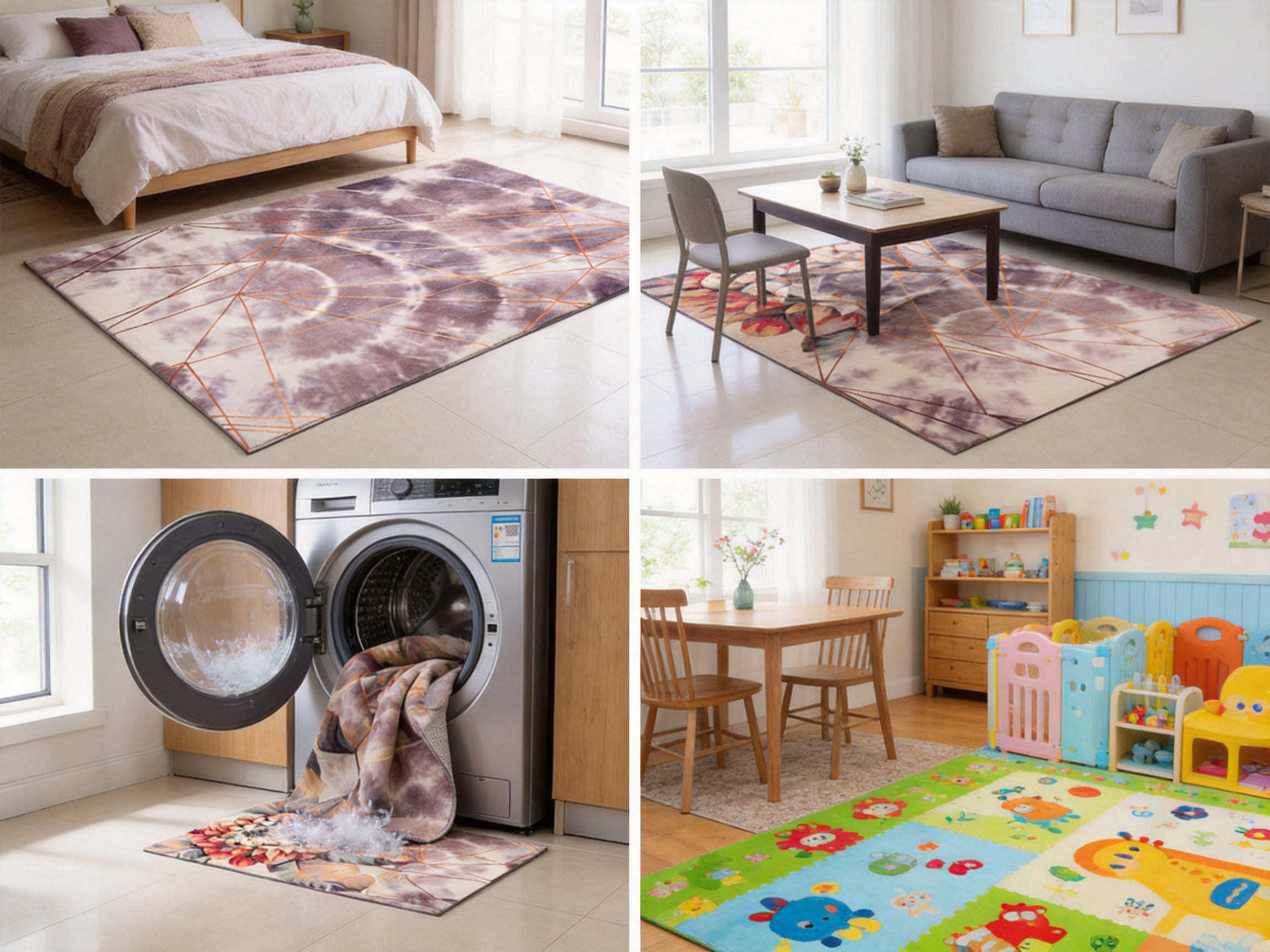
The carpet can be positioned as an affordable luxury product. Its central message is straightforward: a soft cashmere-inspired surface, durable polyester microfiber, detailed printing, easy care, and integrated anti-slip backing. This combination gives retailers several benefits to communicate without relying on a single feature.
In a physical store, the tactile quality should be made accessible. A touch sample or displayed corner can help customers experience the ultra-fine yarn surface. Size cards and room-setting images can show how the rug works in bedrooms, living rooms, dining rooms, and children’s spaces.
Online listings should present accurate dimensions, material content, pile height, backing type, care instructions, and indoor-use guidance. Clear photographs can demonstrate the pattern from a distance and the surface texture at close range. Buyers should avoid exaggerated claims such as “indestructible,” “completely stain-proof,” or “safe on every floor,” because real performance depends on use and installation conditions.
The product can also be organized into collections by design language. A “heritage” collection may use Persian and classic motifs. A “global geometry” range may focus on Moroccan and geometric patterns. A “modern home” series may use abstract forms and restrained colors. A “kids and family” line may use cartoon artwork and bright graphics.
Because standard sizes range from compact formats to large room-sized options, retailers can create good-better-best assortments based on size rather than changing the entire product construction. This can simplify merchandising, inventory management, and customer choice.
Regular care helps preserve the appearance and performance of any carpet. Loose dust and debris should be removed routinely through suitable vacuuming or gentle cleaning. Spills should be addressed promptly rather than allowed to penetrate and dry for an extended period.
When machine washing is appropriate, the user should follow the care label, choose a suitable machine size, use an appropriate cycle, and avoid harsh chemicals that may affect fibers, printing, or backing. The rug should be dried completely before being returned to the floor. Prolonged dampness may create odor or affect the condition of the backing and flooring underneath.
The rug should be placed on a clean, dry, and level indoor surface. Users should inspect the floor periodically, especially after washing, to ensure that no moisture or residue has collected below the rug. If the rug moves on a particular surface, an additional compatible pad may be considered even though the product includes a skid-resistant backing.
Furniture should be moved carefully across the rug to avoid unnecessary stress on edges or backing. Direct and continuous exposure to intense sunlight should be minimized where possible, even though the product is designed with fade resistance. Following these basic practices can help extend the useful life of the carpet.
The most significant advantage is the balance of luxury and practicality. Many products excel in one area but compromise another. A very soft rug may be difficult to wash. A highly washable rug may feel basic. A decorative rug may offer limited design customization. A low-cost rug may require a separate anti-slip pad. This product is designed to bring these requirements together.
Its ultra-fine polyester microfiber surface provides a soft, cashmere-inspired hand feeling. Its 5 mm pile makes it easier to place and maintain than many deep-pile alternatives. Its TPR and cotton fabric backing supports stability and foldability. Its digital printing platform supports numerous design styles. Its machine-washable construction improves everyday convenience. Its standard and custom sizes support both retail and project programs.
The manufacturing company adds another layer of competitive value. In-house or closely controlled capabilities in weaving, dyeing and printing, and finished carpet processing can support better coordination. A team of more than 20 fabric engineers contributes to product development and customization. The company’s location in Shaoxing provides access to a mature textile ecosystem, while its stated sustainability initiatives respond to evolving buyer expectations.
For wholesale customers, the product is therefore more than a single rug. It is a flexible platform for building a broader area rug collection. Buyers can use the same core construction to explore different designs, sizes, markets, and price positions while maintaining a coherent quality concept.
Before ordering, buyers should define the intended market and usage scenario. A rug for children’s rooms may require different artwork and packaging from a rug for a premium living-room collection. A hospitality project may need custom dimensions and strict color coordination. A mass retail program may prioritize efficient packing, standardized sizes, and competitive pricing.
Artwork should be reviewed for repeat size, color limits, fine detail, and expected appearance on microfiber. Buyers should request a sample or strike-off when color accuracy is important. They should also confirm whether the final product will be folded, rolled, or packed in another format.
Technical details should include finished dimensions, size tolerances, pile height, weight, backing composition, care instructions, label information, and packaging requirements. If certifications are required, the buyer should confirm the relevant certificate, scope, and test documentation before production.
Order planning should account for sample approval, raw material preparation, printing, bonding, cutting, inspection, packing, and transportation. Lead times may vary according to order quantity, customization level, season, and production schedule. Early communication helps avoid delays and ensures that the final product meets the intended commercial positioning.
The carpet is made from 100% polyester microfiber. The ultra-fine yarn is processed to create a soft hand feeling inspired by the luxurious texture of cashmere.
No. It is an imitation cashmere carpet made from polyester microfiber. The term describes the soft, refined tactile effect rather than the presence of genuine cashmere fiber.
Yes. Machine washing is listed as a product care method. Users should follow the care label, use an appropriately sized machine, and dry the rug thoroughly before placing it back on the floor.
The pile height is approximately 5 mm. This low-pile profile supports easier placement beneath furniture and convenient everyday maintenance.
The rug has a skid-resistant TPR and cotton fabric backing, and it is designed to reduce movement on suitable indoor floors. A separate pad may not be necessary in many situations, but floor condition and user requirements should always be considered.
The digital printing system can support Persian, Moroccan, modern, classic, geometric, cartoon, and other custom design styles. Final artwork should be reviewed for technical suitability before production.
Yes. Standard options include 2 ft by 3 ft, 2 ft by 6 ft, 3 ft by 5 ft, 4 ft by 6 ft, 5 ft by 7 ft, 6 ft by 9 ft, and 8 ft by 10 ft. Custom dimensions can also be discussed for suitable orders.
The product is intended for indoor use. It is suitable for living rooms, bedrooms, dining rooms, kitchens, children’s rooms, indoor entrances, and other residential or interior environments.
No. The stated application is indoor use. Continuous exposure to rain, standing water, outdoor moisture, or severe weather is not recommended.
The product combines ultra-fine microfiber softness, a cashmere-inspired hand feeling, digital design flexibility, a low 5 mm pile, machine-washable construction, and TPR and cotton fabric backing. This combination gives it a more premium and versatile position than many basic polyester mats.
Yes. The manufacturer provides customization services for customer requirements. Private-label programs may involve artwork, colors, dimensions, packaging, labeling, and collection development, subject to technical and order conditions.
The manufacturer has weaving, dyeing and printing, and finished carpet processing capabilities. It also has a team of more than 20 fabric engineers and works across the carpet fabric and finished product supply chain.
The company states that it invests in sustainable materials and production methods, including recycled polyester and water-saving dyeing techniques. It also states that it has passed OEKO-TEX® and GRS certifications. Buyers should confirm the current certification scope for the exact product and order.
The Imitation Cashmere Carpet with Ultra-Fine Yarn is designed for buyers who want a practical area rug with a more luxurious tactile and visual character. Its 100% polyester microfiber construction creates a soft cashmere-inspired surface, while the 5 mm low pile supports flexible placement and easier maintenance. Digital printing enables a wide range of designs, from Persian and Moroccan patterns to modern, geometric, classic, and cartoon artwork.
The machine-washable construction, fade-resistant surface, foldable format, and skid-resistant TPR and cotton fabric backing add everyday value. These features make the carpet suitable for bedrooms, living rooms, dining areas, kitchens, children’s rooms, and other indoor spaces. Standard and custom sizes also allow the product to serve both consumer retail and wholesale project requirements.
Its competitive position is strengthened by the manufacturer’s integrated production capabilities. Zhejiang Benyi Textile Technology Co., Ltd. combines textile engineering, weaving, dyeing and printing, and finished carpet processing to support quality control, customization, and supply chain coordination. Its focus on product development, environmental responsibility, and customer service makes the carpet a strong platform for home textile brands, wholesalers, retailers, and interior product buyers.
For businesses seeking an area rug that combines affordable luxury, design flexibility, practical care, and manufacturing support, this ultra-fine microfiber carpet provides a balanced and adaptable solution.
1. Product specification sheet for Imitation Cashmere Carpet with Ultra-Fine Yarn, including material, size, construction, backing, pile height, care, and usage information.
2. Company information provided for Zhejiang Benyi Textile Technology Co., Ltd., including manufacturing capabilities, engineering resources, product development, and supply chain structure.
3. Textile fiber and fabric construction principles relating to polyester microfiber, low-pile carpets, bonded construction, and thermoplastic rubber backing.
4. General textile care guidance for machine-washable rugs, synthetic microfiber products, backing materials, and indoor floor coverings.
5. General information concerning OEKO-TEX® textile safety standards and Global Recycled Standard certification principles.
6. General industry references on digital textile printing, recycled polyester, water-saving dyeing, and responsible textile manufacturing.

ADD: No.75 Zhenyuan Road, Yuecheng District, Shaoxing City, Zhejiang Province, China 312000

Tel : +86-189 6750 9795

FAX : +86-0575-8803 2773

Email : fisher@benetextile.com

Copyright © Zhejiang Benyi Textile Technology Co., Ltd. All Rights Reserved. Carpets and Rugs Manufacturer

 English
 Français
 Deutsch
 عربى
عربى