

Tang Meilin — Customer Success and Product Support Specialist
 Home / Author / Tang Meilin — Customer Success and Product Support Specialist / Imitation Cashmere Knitted Fabric: A Soft, Durable, and Customizable Foundation for Modern Carpets and Rugs
 2026.11.07
 Tang Meilin — Customer Success and Product Support Specialist
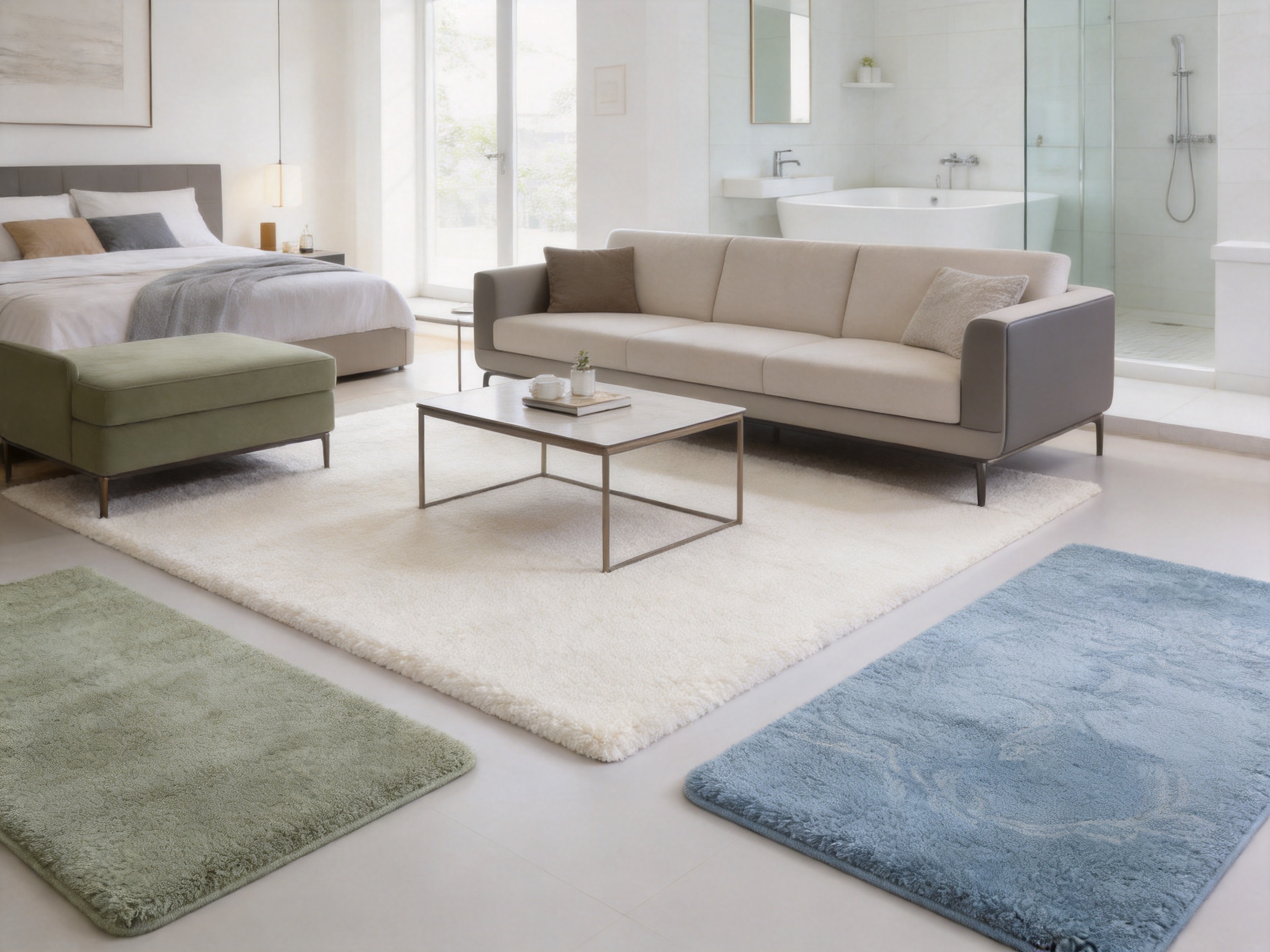
Imitation Cashmere Knitted Fabric is designed for manufacturers, wholesalers, interior furnishing brands, and project buyers seeking a luxurious textile surface without the cost and production limitations associated with natural cashmere. Made from 100% polyester microfiber, this fabric combines a soft hand feel, a shaggy appearance, practical durability, and flexible customization. With a weight of approximately 700gsm and a pile height of 10–12mm, it provides a substantial, comfortable surface suitable for carpets, area rugs, bath mats, and other interior textile applications.
Unlike ordinary lightweight carpet fabrics that may feel thin or lack visual depth, this knitted material offers a dense and plush construction. Its cashmere-similar softness can enhance the comfort of a room while its polyester composition supports dependable performance in commercial manufacturing and everyday household use. The fabric can also be used for digital printing or paper transfer printing, allowing buyers to develop customized patterns, branded collections, seasonal designs, and project-specific colorways.
Manufactured by Zhejiang Benyi Textile Technology Co., Ltd., the product is supported by an integrated production model that includes weaving, dyeing and printing, and finished carpet processing capabilities. This structure gives the company greater control over fabric development, quality monitoring, customization, and production scheduling. For buyers who require more than a standard roll of material, the combination of technical development, make-to-order production, and downstream processing creates a practical supply solution.
Content
Imitation Cashmere Knitted Fabric is a surface textile engineered to reproduce some of the visual and tactile qualities associated with cashmere while using polyester microfiber as the primary raw material. It is not natural cashmere. Instead, it is a purpose-designed carpet fabric that focuses on softness, loft, warmth, visual richness, and manufacturing versatility.
The fabric is produced using a knitted technique. Knitting allows the textile structure to be developed with a degree of flexibility and surface fullness that is useful in carpet and rug manufacturing. The resulting surface has a shaggy character, with a pile height of approximately 10–12mm. This pile height is high enough to create a noticeably soft touch while remaining suitable for conversion into rugs, mats, and carpet products.
The standard product is supplied in PFP white, a neutral base color that can be used for further customization. Buyers may request other colors according to their project requirements. Because the material is made to order, color development and production planning can be coordinated around the customer’s specifications, subject to minimum order quantities, technical feasibility, and production confirmation.
The standard widths are 170cm, 190cm, and 210cm, with customized widths also available. The technical information additionally indicates that the maximum width can reach approximately 3.2 meters for suitable applications. This broad width capability can be valuable for manufacturers attempting to reduce seams, improve cutting efficiency, or produce larger rugs and carpet surfaces.
| Product name | Imitation Cashmere Fabric |
| Item model number | 100001 |
| Material | 100% polyester microfiber |
| Weight | Approximately 700gsm |
| Standard width | 170cm, 190cm, or 210cm |
| Customized width | Available according to project requirements; maximum width may reach approximately 3.2 meters |
| Pile height | 10–12mm |
| Supply type | Make-to-order |
| Technics | Knitted |
| Recommended uses | Carpets, area rugs, bath mats, and related interior textile products |
| Standard color | PFP white |
| Minimum order quantity | 500kg per color |
| Packaging | Roll packaging |
| Typical delivery time | 15–20 days, subject to confirmed specifications and production schedule |
| Main features | Soft, shaggy, printable, customizable, and suitable for further processing |
Polyester microfiber is widely used in home textiles because it can provide softness, color flexibility, and practical durability in a cost-conscious material platform. In this product, the microfiber construction helps create a fine and comfortable surface that resembles the gentle touch expected from a premium textile. The result is a fabric that feels more refined than many basic synthetic carpet materials.
One important advantage of polyester is its suitability for industrial production. Compared with natural luxury fibers, polyester can be manufactured in a more consistent and scalable manner. This consistency supports repeat orders, color matching, product standardization, and cost planning. For carpet and rug manufacturers, such predictability is important because the fabric must be cut, joined, backed, printed, finished, packed, and shipped in a coordinated workflow.
The material also offers useful resistance to fading when properly processed and maintained. The product information identifies the microfiber construction as supporting durability and fade resistance. This makes the fabric appropriate for decorative floor coverings that must retain their appearance during normal indoor use. Final performance will depend on the backing system, dye or printing process, traffic level, cleaning method, and installation environment, but the polyester base provides a strong starting point for a broad product range.
Another benefit is design compatibility. Polyester microfiber can be used as a base for digital printing or paper transfer printing in a wide variety of designs. This capability is especially relevant to businesses offering personalized rugs, photographic patterns, digitally illustrated collections, children’s designs, hotel projects, retail displays, and seasonal home décor.
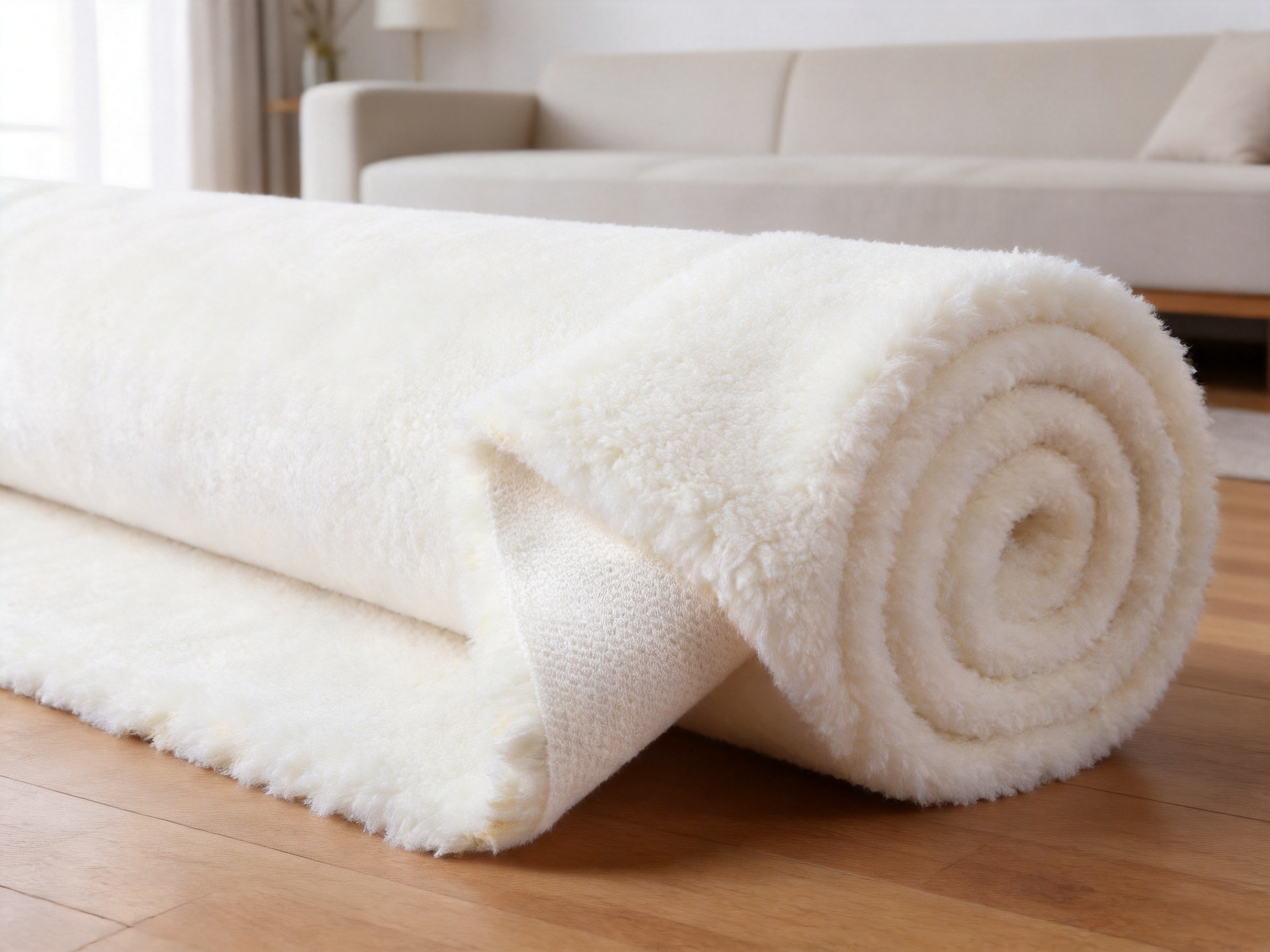
The central selling point of this knitted fabric is its soft, plush surface. The 10–12mm pile creates a cushioned and tactile feeling underfoot. When used in a living room, bedroom, nursery, dressing area, or bathroom, the fabric can contribute to a more comfortable and inviting environment.
The phrase “imitation cashmere” describes the intended sensory direction rather than the presence of natural cashmere fiber. The textile aims to deliver a smooth, gentle, and luxurious impression through its microfiber yarns and knitted surface structure. This allows manufacturers to offer a premium-looking product at a more accessible material cost than rugs made with genuinely rare animal fibers.
Softness is not only a matter of touch. It also affects how consumers perceive the value of a finished rug. A dense, shaggy surface can make a product appear more substantial and visually rich. It can support a high-end presentation in online listings, showrooms, retail packaging, hospitality projects, and interior design proposals.
At the same time, the material is more practical for scalable production than many natural luxury textiles. Buyers can order the fabric by weight and color, request customized specifications, and plan manufacturing around repeatable polyester production. This balance between luxurious appearance and industrial practicality is one of the product’s strongest advantages.
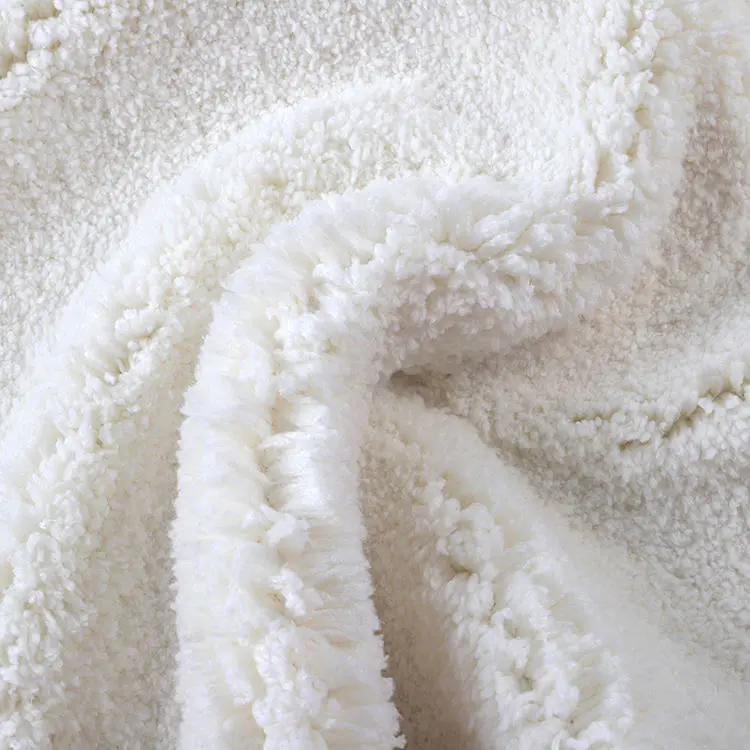
Imitation Cashmere Knitted Fabric
Many conventional carpet fabrics are selected primarily for low cost, basic coverage, or simple utility. They may have a short pile, a flat appearance, or limited tactile interest. The 10–12mm pile of this imitation cashmere fabric gives finished carpets and mats more surface depth. That depth can improve both comfort and visual appeal.
For brands competing in a crowded home textile market, a soft shaggy texture can help differentiate a product from ordinary flat or thin floor coverings. The imitation cashmere concept supports premium merchandising while retaining the advantages of a synthetic fiber. A manufacturer can position the finished product as comfortable, decorative, and luxurious without relying on the high raw-material cost of natural cashmere.
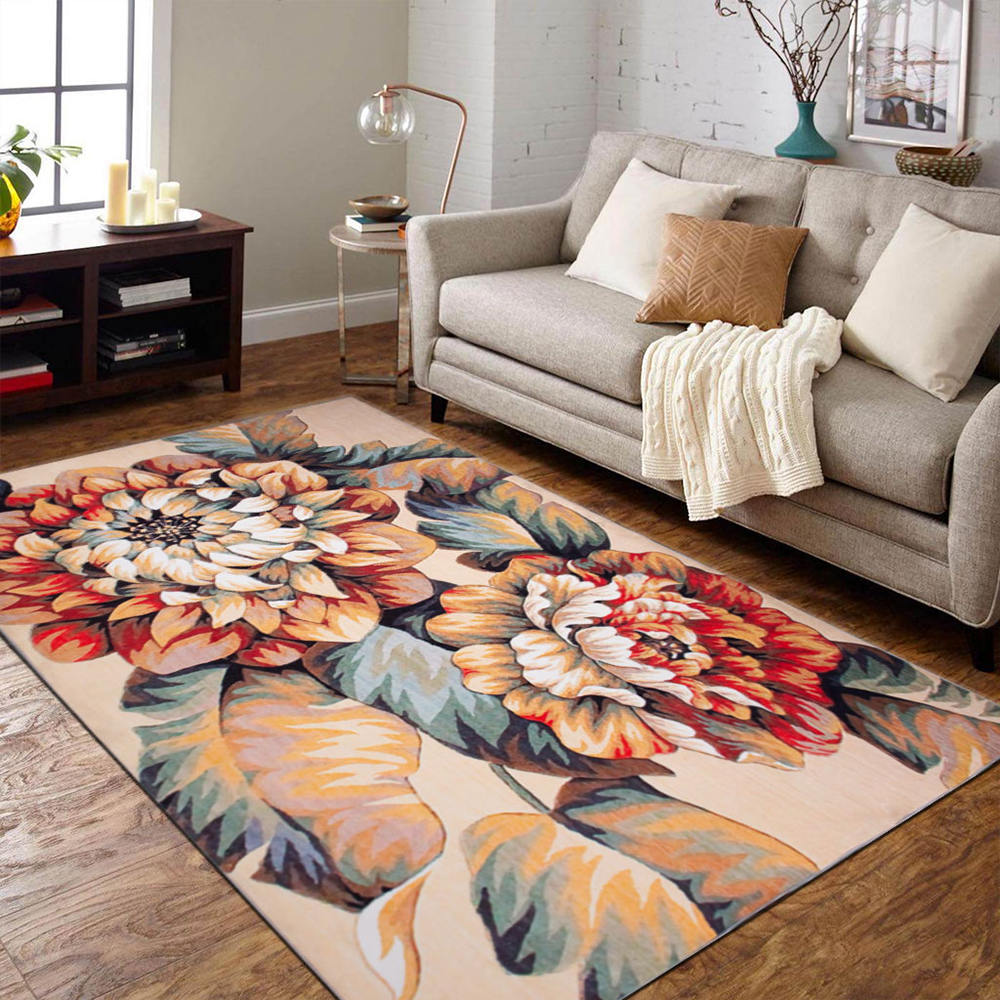
The fabric can be directly used for digital printing or paper transfer printing in different designs. This provides a broader design platform than a plain, unprintable, or technically incompatible textile. Buyers can develop geometric patterns, botanical artwork, abstract graphics, children’s illustrations, branding elements, and custom interior designs.
Available widths of 170cm, 190cm, and 210cm cover many common rug and carpet formats. Customized width options can further support large-area applications. The stated maximum width of approximately 3.2 meters may help manufacturers reduce the number of joins in oversized products, although the final achievable width should be confirmed for each construction and production order.
The product is supplied on a make-to-order basis with a minimum order quantity of 500kg per color. This model is suitable for buyers developing coordinated collections rather than purchasing only small retail quantities. It enables a planned relationship between material selection, color approval, production, and finished product manufacturing.
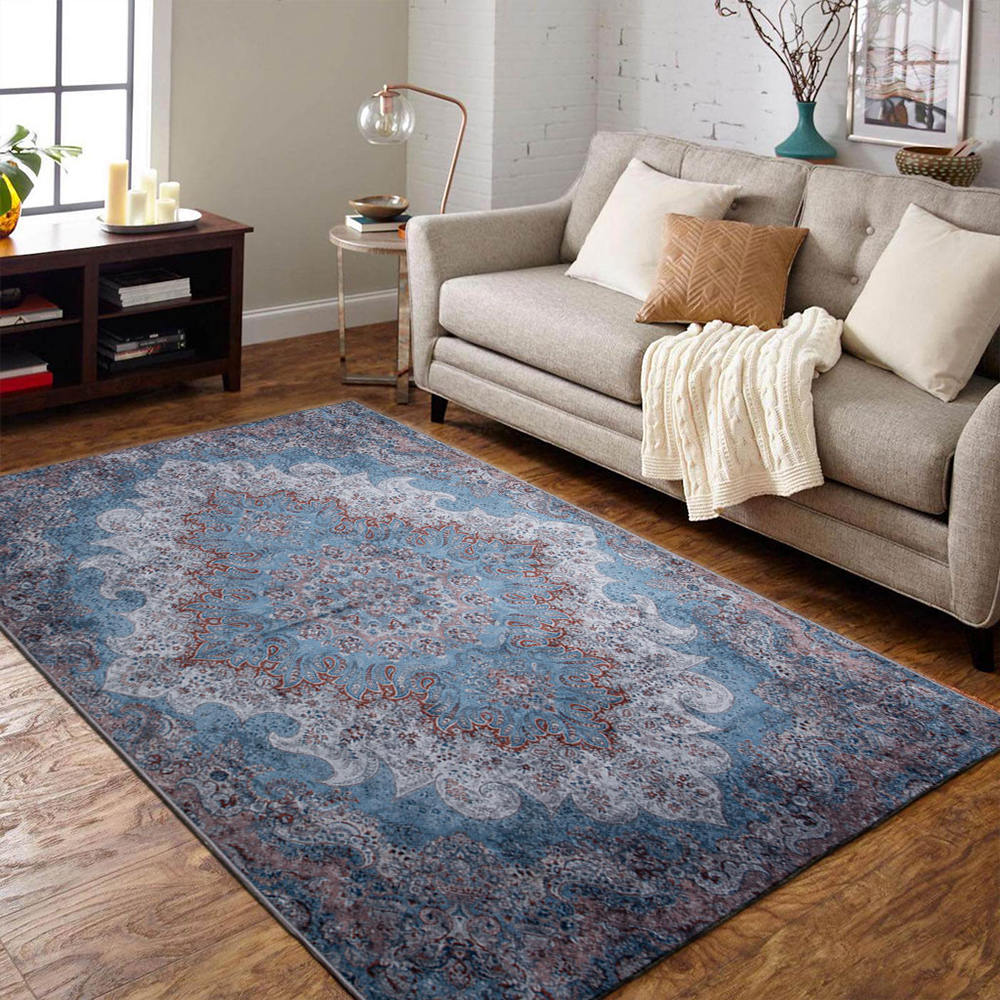
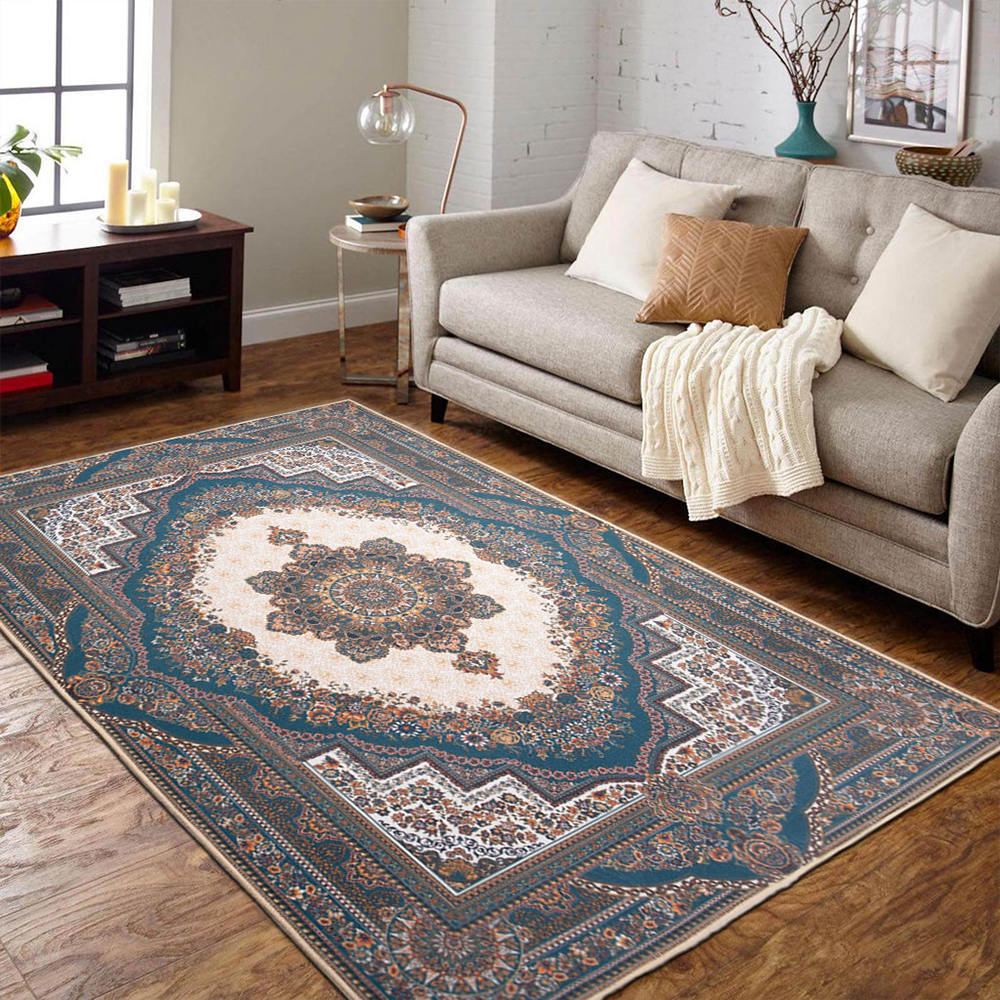
The most direct application is the production of area rugs. The fabric’s softness and shaggy texture are suitable for decorative rugs placed beside beds, sofas, coffee tables, reading chairs, or dining areas. It can be converted into solid-color rugs for minimalist interiors or printed rugs for more expressive design collections.
In living rooms, the fabric can be used to create a comfortable visual anchor beneath seating arrangements. A plush surface can add warmth to hard flooring and create a contrast with wood, stone, ceramic tile, or laminate surfaces. In bedrooms, the soft pile can be used for bedside runners and compact area rugs that provide a more comfortable first step in the morning.
For children’s rooms and family spaces, printed designs can add color and personality. Manufacturers may combine the fabric with suitable backing materials to improve stability and shape retention. Because children’s products can involve particular safety and cleaning expectations, finished-product testing and compliance evaluation should be completed according to the target market’s requirements.
The material can also support hospitality and interior design projects. Hotels, serviced apartments, show homes, offices, and retail environments often require coordinated textile surfaces in custom colors or patterns. The ability to request specific widths and colors can make the fabric useful for project-based orders in which standard retail dimensions are not sufficient.
The soft pile and plush hand feel make the fabric suitable for bath mat production when combined with an appropriate backing and finished-product construction. A bath mat made from this material can provide a comfortable surface after bathing or showering and can contribute to a more luxurious bathroom presentation.
However, bath mat manufacturers should carefully evaluate water absorption, drying time, backing slip resistance, laundering performance, colorfastness, and resistance to repeated moisture exposure. The fabric itself is one component of the final product. The finished bath mat must be engineered for wet-area use, including the selection of a suitable non-slip backing, edge treatment, sewing method, and care label.
The neutral PFP white base can be developed into coordinated bathroom collections. Manufacturers may produce plain white, soft neutral, pastel, or darker tones depending on the target market. Digital printing can also be considered for hospitality or lifestyle collections when the design is compatible with the intended use and cleaning requirements.
One of the most commercially valuable features of this fabric is its compatibility with digital printing and paper transfer printing. Printing transforms the textile from a simple material into a platform for visual storytelling. This is important for brands that need frequent design updates or want to create small groups of products for different customer segments.
Digital printing can support highly detailed artwork, gradients, photographic effects, and repeat patterns. A rug manufacturer can use the same base fabric for multiple collections, changing only the artwork and finishing specifications. This may reduce the need to source a completely different textile for each new design.
Paper transfer printing can offer another route for transferring patterns to suitable polyester surfaces. The choice between printing methods should be made according to the artwork, color requirements, production volume, equipment, and desired hand feel. Sampling is recommended before mass production because the pile height and surface texture can influence color appearance, sharpness, and visual depth.
For printed products, buyers should confirm the required color standard, print scale, artwork format, repeat size, edge treatment, and tolerance for variation. A detailed approval process helps reduce misunderstandings between the fabric supplier, printer, converter, and finished-product brand.
Customization is a key strength of the product. The standard PFP white version provides a clean starting point, but the manufacturer can discuss different colors and project specifications. This allows the material to serve various market segments rather than being restricted to a single standard collection.
Home furnishing brands may request a palette based on current interior trends, such as warm neutrals, muted greens, soft blues, terracotta, charcoal, or cream tones. Hospitality buyers may require colors that align with a property’s interior design standards. Promotional and seasonal collections may need stronger colors or printed graphics.
Width customization is also useful. A standard width may be suitable for many common rugs, while wider material can improve production efficiency for large-format carpets. Buyers should provide the intended finished dimensions, cutting plan, seam requirements, backing method, and anticipated order volume during the development stage.
Additional considerations may include pile height tolerance, fabric weight tolerance, colorfastness expectations, roll length, packaging requirements, printing compatibility, and inspection standards. The earlier these requirements are discussed, the easier it becomes to align the textile with the buyer’s production system.
Zhejiang Benyi Textile Technology Co., Ltd. is based in Shaoxing, Zhejiang Province, an important textile manufacturing region known for its broad industrial ecosystem. The company focuses on textile production technology, carpet fabrics, rugs, and finished carpet products. Its location provides access to textile expertise, supporting suppliers, equipment, and production resources.
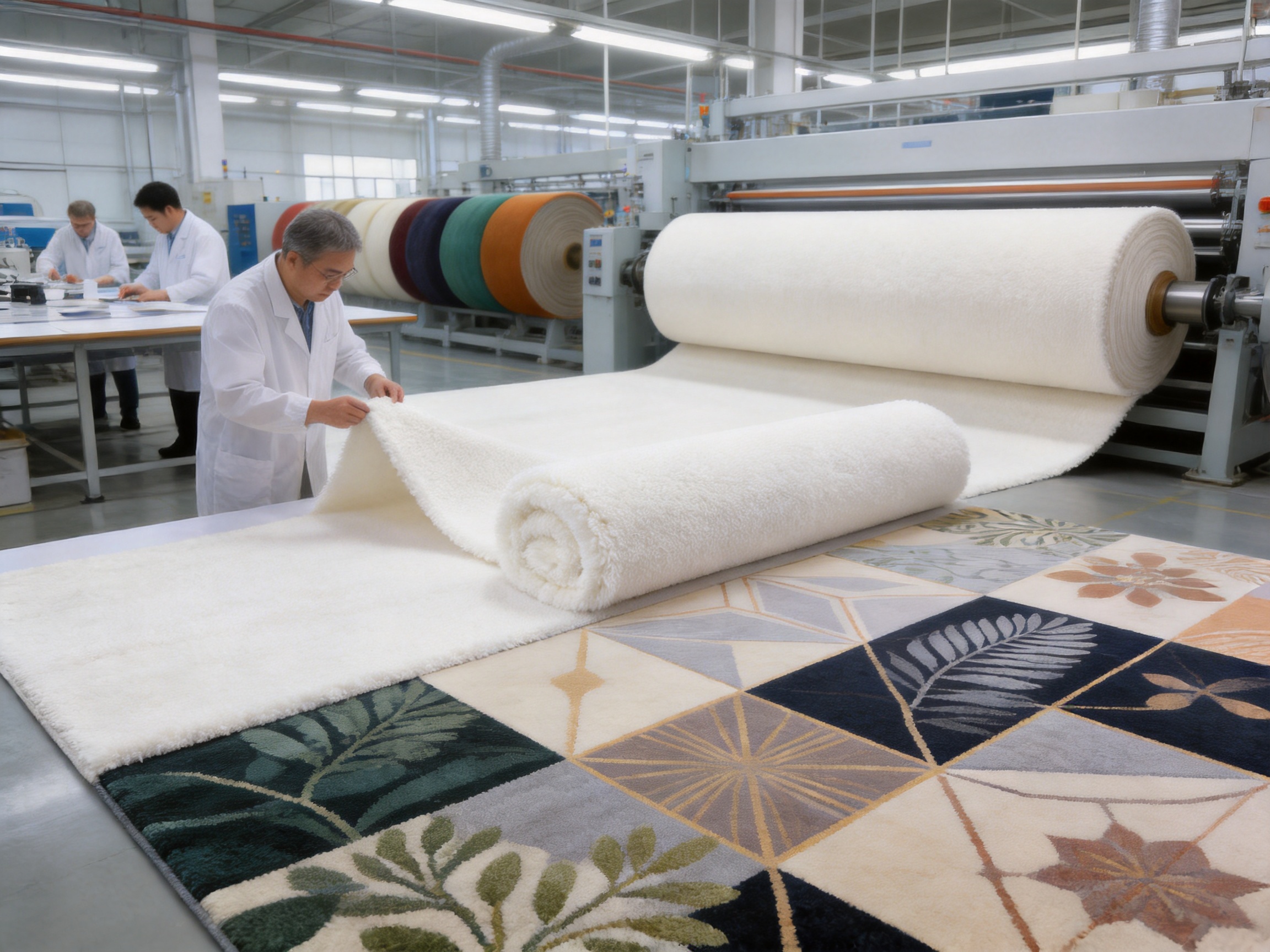
The company’s manufacturing model covers multiple stages of the supply chain. It has weaving, dyeing and printing factories, and finished carpet processing factories. This integrated structure can provide better coordination than a fragmented sourcing model in which each stage is handled by an unrelated supplier.
Control over several stages can help improve communication between fabric development and finished-product processing. If a customer requests a certain pile appearance, color, width, or printing effect, the production teams can evaluate how the requirement affects later conversion steps. This is valuable because carpet performance depends not only on the face fabric but also on backing, edge finishing, cutting, printing, and packaging.
The company also states that it has more than 20 fabric engineers. A dedicated engineering team can support new product development, specification adjustments, sample evaluation, production troubleshooting, and market-oriented design. According to the supplied company information, new carpet fabrics are developed each quarter based on market trends, while customized services are provided according to customer requirements.
When fabric weaving, dyeing, printing, and finished carpet processing are managed within a coordinated production network, there is greater opportunity to establish consistent quality checkpoints. These may include raw-material inspection, knitting or weaving inspection, weight measurement, width verification, pile-height evaluation, color comparison, surface inspection, printing review, roll packaging inspection, and finished-product assessment.
Such coordination is particularly important for a premium-feel fabric. Small changes in yarn, density, finishing, or dyeing can affect the softness, surface fullness, color, and final appearance. A supplier with experience across multiple stages can identify potential problems earlier and work with customers to select realistic specifications.
For international buyers, communication efficiency is a practical sourcing advantage. When product development, color confirmation, printing, and finished-product processing are handled through one coordinated company, buyers may spend less time managing multiple independent factories. This can simplify sample approval, quotation comparison, production scheduling, and after-sales communication.
The company’s focus on new textile technologies and quarterly fabric development supports buyers who want to create differentiated product lines. Rather than selecting only from a fixed catalog, customers can discuss the desired touch, appearance, application, color, width, and printing method. The supplier can then evaluate how to adapt the fabric to the project.
The precise production parameters may vary according to the confirmed order, color, width, and finishing method. In general, the manufacturing process can be understood as a series of controlled stages designed to create a soft, stable, and commercially usable carpet fabric.
Production begins with polyester microfiber suitable for the required surface effect. Fiber preparation and yarn selection influence the final softness, appearance, strength, and ability to accept color. Careful material selection is essential for achieving a consistent 700gsm fabric with a 10–12mm pile.
The polyester yarn is processed using a knitted technique to form the fabric structure. Machine settings, yarn arrangement, density, and production speed must be coordinated to achieve the desired surface fullness and width. The knitted construction helps create the flexible and plush character associated with the product.
The fabric is processed to establish its shaggy surface and target pile height. A pile height of 10–12mm provides a balance between visual richness and practical conversion. During this stage, the supplier can inspect the surface for uneven areas, irregular texture, loose fibers, or other issues that could affect the finished carpet.
The standard PFP white fabric can be supplied as a neutral base or developed into other requested colors. Color production requires attention to shade consistency, batch control, and compatibility with the intended finishing or printing method. Buyers should approve color standards before bulk production, especially when the fabric will be used alongside other interior textiles.
For customized designs, the fabric may be prepared for digital printing or paper transfer printing. The production team must consider the surface texture, pile height, artwork scale, color density, and edge requirements. Sampling can determine how the design appears on the three-dimensional surface and whether any adjustments are needed.
After production, the fabric is inspected and packaged in rolls. Roll packaging helps protect the material during handling and transportation. Proper packaging is particularly important for a soft pile fabric because compression, moisture, dust, or poor handling can affect its appearance before conversion.
For customers purchasing finished products or seeking downstream support, the fabric can be processed into rugs or other carpet products. This may involve cutting, backing, edging, binding, shaping, printing, labeling, and final inspection. The exact process depends on the buyer’s product design and target market.
A premium carpet fabric should be evaluated as part of a complete product system. Face material is important, but the final performance also depends on backing, adhesives, edge finishing, installation, cleaning, and use conditions. Buyers should establish a technical specification that reflects the intended application.
For area rugs, important evaluation points may include surface uniformity, pile recovery, dimensional stability, colorfastness, shedding behavior, backing adhesion, edge durability, and resistance to ordinary foot traffic. For bath mats, buyers should add wet grip, drying behavior, wash durability, mildew-control considerations, and compatibility with household cleaning products.
For printed products, testing should include print definition, color consistency, rubbing fastness, washing or cleaning resistance where relevant, and visual uniformity across the full roll. The effect of printing on softness should also be checked because some finishing processes can alter the surface hand.
Because this fabric is make to order, each project should be confirmed through samples and written specifications. The sample should represent the intended material, color, width, pile height, printing method, and finishing process as closely as possible. This is especially important for large projects and repeat orders.
The minimum order quantity is 500kg per color. This quantity is appropriate for manufacturers and wholesale buyers planning a commercial collection, production run, or project order. It may be less suitable for individual consumers seeking a small piece of material, but it provides a workable scale for professional sourcing.
The product is supplied on a make-to-order basis. This means buyers should plan ahead for color confirmation, sample approval, production scheduling, inspection, and shipping. The stated delivery time is approximately 15–20 days, although the final schedule may depend on order quantity, color, customization, printing, factory capacity, and shipping arrangements.
To improve delivery planning, buyers should provide complete information at the quotation stage. Useful details include target quantity, color, width, pile height, intended application, printing requirement, packaging preference, destination, and whether finished rug processing is required. Clear information allows the supplier to assess the order more accurately.
Roll packaging is suitable for efficient transport and storage. However, the buyer should confirm roll dimensions, approximate roll weight, protective materials, labeling, pallet requirements, and container loading plans when arranging international logistics. Proper storage after arrival should protect the fabric from moisture, excessive compression, direct sunlight, and contamination.
The company describes environmental protection and sustainability as important parts of its development strategy. Its stated initiatives include investment in sustainable materials and production methods, such as recycled polyester and water-saving dyeing techniques. The company also reports passing OEKO-TEX® and GRS certifications. Buyers should request current certification documents and confirm which facilities, materials, and product lines are covered before making compliance claims in their own marketing.
Polyester-based products can support sustainability goals when recycled inputs, efficient production, long service life, and responsible end-of-life planning are considered together. A durable rug that remains attractive and functional for a long time may reduce the frequency of replacement. At the same time, buyers should evaluate the specific recycled content, certification scope, packaging materials, and production practices associated with each order.
Water-saving dyeing technologies can help reduce resource consumption compared with less efficient processes. The actual environmental performance depends on the equipment, dye chemistry, energy source, wastewater treatment, production volume, and factory management system. Responsible buyers should request relevant documentation and include sustainability requirements in the technical specification.
The company’s stated focus on ecological protection, combined with its research into new textile products, indicates an effort to connect carpet manufacturing with evolving environmental expectations. This may be valuable for brands selling to consumers who increasingly want attractive home textiles with a clearer sustainability story.
Wholesale manufacturers can use the fabric as a base for multiple product categories. One supplier relationship may support plain rugs, printed rugs, bath mats, and customized project products. The shared material platform can simplify sampling and help create a recognizable product family.
Private-label brands can develop exclusive colors, patterns, sizes, and labels while sourcing from a technically capable textile manufacturer. The make-to-order model supports collections that are not limited to generic stock designs.
Project suppliers often need specific dimensions, color references, and coordinated finishes. The available width options and customization capability may help meet these requirements. A project buyer can discuss the required appearance and performance before committing to production.
Online brands can use digital printing to create distinctive designs that are visually compelling in product listings. A soft, shaggy surface may also photograph well when shown in lifestyle settings. Before launching a product, the seller should verify actual measurements, care instructions, color representation, and performance claims.
A structured development process can reduce risk and improve the consistency of the final product. The first step is to define the intended application. A living-room rug, a bath mat, and a hospitality carpet may require different backing, edge finishing, cleaning expectations, and inspection criteria even when they use the same face fabric.
The second step is to select the base specification. Buyers should confirm material, target weight, pile height, width, color, printing requirement, packaging, and minimum quantity. If the project involves a large format, the cutting layout should be considered at this stage.
The third step is sample approval. The buyer should examine softness, density, surface regularity, color, width, print clarity, and compatibility with the intended backing. It is helpful to evaluate the sample under the lighting conditions in which the finished product will be sold or installed.
The fourth step is production confirmation. The approved sample and technical specification should be recorded. Any acceptable tolerances should be agreed upon in writing. This is especially important for weight, width, pile height, color, and printing.
The fifth step is inspection and shipment. The buyer may request inspection records, photographs, test reports, roll labels, or pre-shipment samples according to the order’s importance. Once the fabric arrives, it should be inspected promptly and stored under appropriate conditions.
Care instructions should be based on the completed carpet or rug rather than the face fabric alone. The backing, adhesive, edging, printing, and construction method all influence the recommended cleaning process. In general, finished products should be protected from excessive moisture, harsh chemicals, high heat, and aggressive mechanical treatment unless testing confirms suitability.
Regular low-intensity cleaning can help preserve the appearance of a plush surface. Spills should be addressed according to the finished product’s care label. For bath mats, adequate drying and ventilation are important because moisture can affect the backing and surrounding floor even when the face fabric remains attractive.
Retailers should provide clear care information to consumers. Accurate instructions help protect customer satisfaction and reduce avoidable damage caused by unsuitable washing, drying, bleaching, or ironing methods.
Imitation cashmere fabric is a synthetic textile designed to provide a soft, plush, cashmere-similar hand feel. This product is made from 100% polyester microfiber and is intended mainly for carpets, rugs, and bath mats. It does not contain natural cashmere unless separately specified for another product.
The fine polyester microfiber yarns, knitted construction, substantial 700gsm weight, and 10–12mm pile height work together to create a soft and shaggy surface. The exact hand feel may vary according to color, finishing, printing, backing, and production batch.
Yes. The product information states that it can be used directly for digital printing or paper transfer printing in different designs. Buyers should approve a sample because pile height and surface texture can affect print appearance.
Standard widths are 170cm, 190cm, and 210cm. Customized widths can be discussed, and the supplied technical information states that the maximum width may reach approximately 3.2 meters for suitable specifications.
The minimum order quantity is 500kg per color. The final commercial requirement should be confirmed according to the chosen width, color, printing method, and order configuration.
The stated delivery time is approximately 15–20 days. This is a general indication and may change according to customization, order volume, color approval, printing, factory scheduling, inspection, and shipping arrangements.
It is listed as suitable for bath mats, but the complete bath mat must be engineered with appropriate backing, slip resistance, moisture performance, edge finishing, and care instructions. Finished-product testing is recommended before commercial launch.
PFP white is the standard listed color. Other colors may be available by request through the make-to-order process. Buyers should submit color references and approve a production sample before bulk manufacturing.
Yes. The available widths support many rug formats, and customized widths can be discussed for larger products. The production team should review the finished dimensions, cutting plan, joining requirements, and backing method before confirming the order.
The product is manufactured and supplied by Zhejiang Benyi Textile Technology Co., Ltd., a textile technology company based in Shaoxing, Zhejiang Province, China. The company works with carpet fabrics, rugs, and finished carpet products and maintains capabilities in weaving, dyeing and printing, and finished processing.
Yes. The company states that it develops new carpet fabrics and provides customized services according to customer requirements. Customization may involve color, width, printing, surface specifications, and finished-product processing, subject to technical review and order confirmation.
Imitation Cashmere Knitted Fabric offers a practical way to combine softness, visual luxury, production flexibility, and synthetic-fiber durability in modern carpet and rug manufacturing. Its 100% polyester microfiber construction, 700gsm weight, 10–12mm pile height, and shaggy surface create a comfortable material platform for area rugs, carpets, and bath mats. Its ability to support digital printing and paper transfer printing also gives brands substantial freedom to develop customized patterns and collections.
The product is particularly attractive to professional buyers who need more than a standard stock fabric. Custom widths, color options, make-to-order production, roll packaging, and a minimum order of 500kg per color support commercial-scale sourcing. The company’s integrated textile production capabilities, engineering team, and finished carpet processing resources provide additional support for product development and supply-chain coordination.
For the strongest result, buyers should treat the fabric as part of a complete finished-product system. Clear application requirements, sample approval, color confirmation, performance testing, and documented production specifications are essential. When these steps are managed carefully, the material can help manufacturers create soft, attractive, customizable, and commercially differentiated carpets and rugs for residential, hospitality, retail, and project markets.
1. Product specification sheet for Imitation Cashmere Knitted Fabric, item model number 100001.
2. Supplier-provided technical information covering material composition, weight, width, pile height, usage, color, minimum order quantity, packaging, and delivery time.
3. Company information for Zhejiang Benyi Textile Technology Co., Ltd., including manufacturing capabilities, engineering resources, customization services, and sustainability initiatives.
4. General textile manufacturing principles relating to knitted polyester microfiber fabrics, carpet construction, dyeing, printing, and finished-product processing.
5. General product-development guidance for area rugs, carpets, bath mats, textile printing, quality inspection, storage, and care labeling.

ADD: No.75 Zhenyuan Road, Yuecheng District, Shaoxing City, Zhejiang Province, China 312000

Tel : +86-189 6750 9795

FAX : +86-0575-8803 2773

Email : fisher@benetextile.com

Copyright © Zhejiang Benyi Textile Technology Co., Ltd. All Rights Reserved. Carpets and Rugs Manufacturer

 English
 Français
 Deutsch
 عربى