

Tang Meilin — Customer Success and Product Support Specialist
 Home / Author / Tang Meilin — Customer Success and Product Support Specialist / Why a Heavyweight Faux Wool Throw Blanket Belongs in Every Comfortable Interior
  2026.07.30
 Tang Meilin — Customer Success and Product Support Specialist
A well-chosen throw blanket can do much more than add an extra layer of warmth. It can soften the appearance of a room, protect furniture from everyday wear, create a welcoming atmosphere, and provide practical comfort wherever people rest, work, travel, or relax. The Roll Bundle Faux Wool Throw Blanket is designed around this combination of comfort, durability, versatility, and visual simplicity. With a substantial 970gsm construction, a double-layer design, soft knitted piles, and easy machine care, it provides a dependable solution for homes, hospitality spaces, offices, and travel environments.
Unlike lightweight decorative throws that may look attractive but offer limited insulation, this blanket is made to provide a noticeably warmer and fuller experience. Its 100% polyester composition supports softness, resilience, and convenient maintenance, while the double-layer structure gives the blanket a substantial hand feel. The combination of long and short pile heights creates reversible softness and helps the blanket remain useful across different seasons.
The blanket is available in several practical sizes, including 50 by 60 inches, 60 by 80 inches, 90 by 90 inches, and 90 by 110 inches. These options allow buyers to select a compact personal throw, a generous bed covering, or a larger shared blanket. Solid colors make the design easy to coordinate with existing furniture and interior styles, from relaxed residential rooms to refined hotel suites.
This article examines the product’s construction, comfort, care performance, applications, design advantages, and manufacturing background. It also explains why integrated textile production, material expertise, quality control, and responsive customization can make a meaningful difference when comparing a heavyweight faux wool blanket with competing products.
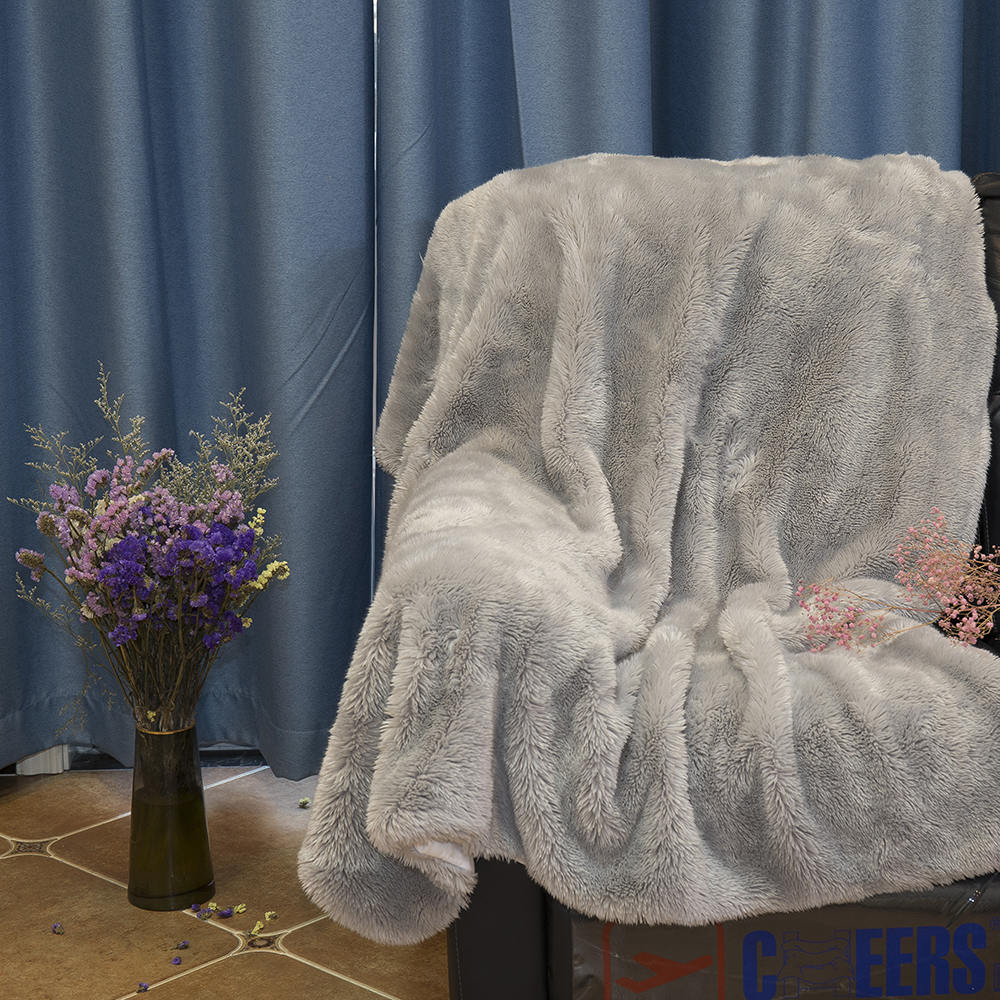
Roll Bundle Faux Wool Throw Blanket
Content
The central purpose of a throw blanket is to create comfort without requiring a complete change to the surrounding environment. A person can place it over the shoulders during a cool evening, spread it across a sofa during a movie, fold it at the end of a bed, or keep it nearby in a home office. The Roll Bundle Faux Wool Throw Blanket is developed for precisely these situations.
Its 970gsm weight places it in the heavyweight category. GSM, or grams per square meter, indicates the mass of the textile surface. A higher GSM generally contributes to a denser, fuller, and more substantial blanket, although performance also depends on fiber, construction, loft, and finishing. In this product, the high weight is combined with a double-layer construction and plush pile surfaces. The result is a blanket intended to feel warm and substantial rather than thin or insubstantial.
The faux wool appearance provides a familiar visual association with warmth and comfort while using a practical polyester base. This allows the blanket to offer a soft, wool-inspired look without the maintenance requirements, natural-fiber sensitivity concerns, or price structure sometimes associated with genuine wool products. For many households and commercial spaces, a synthetic alternative also provides more straightforward washing and drying.
The surface is described as soft, fluffy, and anti-pilling. These qualities are important for a product that may be used frequently and washed repeatedly. A blanket that quickly develops rough patches, excessive shedding, or visible surface pills can lose both its comfort and decorative value. A carefully made microfiber polyester surface helps preserve the smooth, cozy character expected from a premium throw.
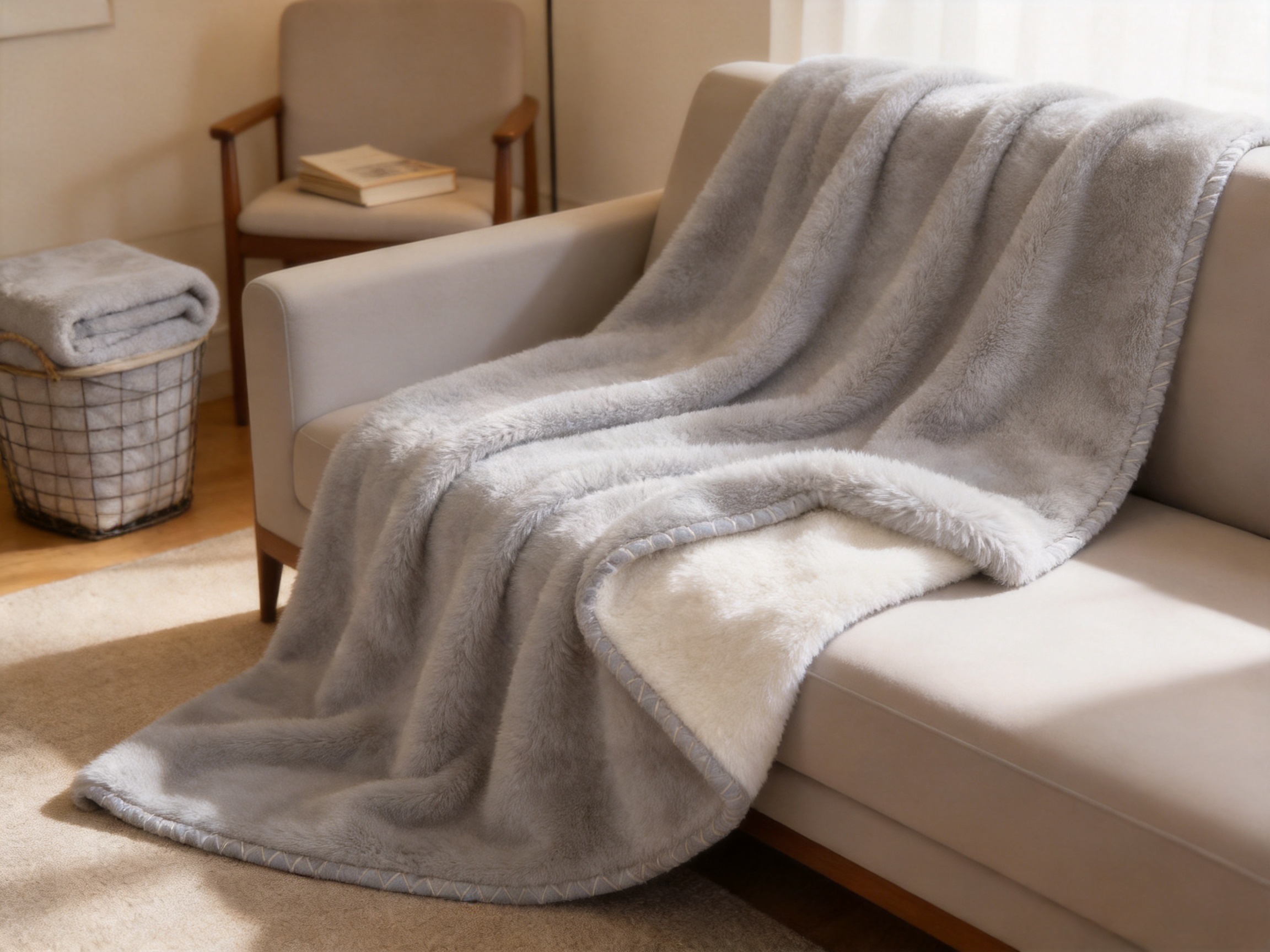
The two-sided construction is another important feature. Rather than relying on a single surface, the blanket uses double layers with long and short pile heights. This creates variation in tactile sensation and gives users reversible softness. It also contributes to thickness and thermal comfort, making the blanket suitable for cold winter conditions while remaining useful as a light comfort layer during other seasons.
The blanket is recommended for sofas, beds, hotels, planes, and offices. Each setting places different demands on a textile product. At home, visual appeal and washability may be the highest priorities. In an office, compact storage and personal comfort are important. During air travel, a soft and warm layer can be more comfortable than relying solely on the temperature of the cabin. In hotels, the blanket must look inviting while supporting repeated use and efficient laundering.
This broad application range is one of the product’s strongest advantages. It is not limited to a specific room, age group, or season. A child can use it during reading time, an adult can place it over a sofa, and an older user can keep it close for additional warmth. The neutral solid-color design also avoids the visual limitations of heavily patterned blankets, allowing the product to fit changing interior preferences.
Warmth is valuable only when the blanket remains practical to clean and store. The product is machine washable and designed to be washed separately in cold water. It can be tumble dried on a low setting, which supports convenient household care and faster turnaround in hospitality or shared-use environments.
The stated wrinkle-resistant and shrink-resistant properties help the blanket retain a neat appearance after washing. Resistance to fading is also valuable because a blanket may be exposed to regular laundering, indoor lighting, and sunlight near windows. While proper care remains important, these performance characteristics reduce the likelihood that the product will quickly appear worn or misshapen.
| Feature | Product Specification | Practical Benefit |
| Fiber content | 100% polyester | Softness, resilience, and straightforward machine care |
| Weight | 970gsm | Substantial hand feel and enhanced warmth |
| Construction | Double layer | Greater thickness and reversible comfort |
| Surface | Long and short pile heights | Plush texture and tactile variation |
| Weave type | Knitted | Flexible structure and soft surface character |
| Edge construction | Welt sewing | Clean finishing and improved edge definition |
| Pattern | Solid colors | Easy coordination with different interiors |
| Care | Machine wash; tumble dry low | Convenient maintenance for frequent use |
| Seasonality | All seasons | Useful in winter and as a comfort layer year-round |
Many competing throw blankets focus primarily on appearance. They may use a light fabric, a single layer, or a low-density pile that feels pleasant in a showroom but provides limited warmth in actual use. Such blankets can be suitable for decoration, but they may not satisfy users who want a reliable layer during cold weather or in air-conditioned spaces.
The Roll Bundle Faux Wool Throw Blanket takes a more performance-oriented approach. Its high 970gsm weight, double-layer build, and plush surface are intended to provide both visual fullness and physical warmth. This gives it an advantage over lightweight throws when the user’s priority is insulation, softness, and a substantial drape.
Another differentiating factor is the balance between luxury appearance and practical care. Genuine wool can provide excellent warmth, but some wool products require special cleaning, may feel coarse to sensitive users, or may be more expensive to replace. A synthetic faux wool blanket can offer a similar visual direction with a softer, more uniform surface and the convenience of machine washing.
Some synthetic blankets may be easy to wash but feel overly smooth, flat, or plastic-like. The combination of knitted construction and multiple pile heights helps address this concern. The surface is designed to feel fluffy and plush, creating a more inviting tactile experience than a basic flat polyester sheet.
Edge finishing also influences a blanket’s perceived quality. Welt sewing gives the perimeter a defined, neat appearance and helps the product look finished when folded over a sofa or bed. Proper edge construction may also support durability by helping the layers remain aligned during handling and laundering.
For residential customers, the blanket offers a simple way to improve comfort without replacing furniture or changing the entire bedding arrangement. It can be folded over the arm of a sofa, placed at the foot of a bed, or stored in a basket for easy access. Its solid-color format gives homeowners flexibility when seasonal decorations or furniture colors change.
The multiple size choices are especially useful. The 50 by 60 inch option is suitable for an individual chair, a compact sofa throw, or a travel companion. The 60 by 80 inch size provides more coverage for an adult or a single bed. The 90 by 90 inch and 90 by 110 inch options can cover larger beds or accommodate two people on a sofa or shared resting area.
Because the blanket is designed for all ages, it can serve different members of a household without requiring separate specialty products. It can be used in a nursery, guest room, family room, study, or bedroom. Its practical care instructions also make it suitable for households where regular washing is necessary.
Commercial users typically need products that combine appearance, comfort, and operational practicality. A hotel blanket should look clean and inviting, feel pleasant to guests, and withstand frequent handling. An office blanket should offer personal warmth without taking up excessive storage space. A furnished apartment, student residence, wellness center, or waiting area may require the same combination of softness and easy maintenance.
The solid-color design can simplify purchasing for commercial interiors because it coordinates with a wide range of upholstery, bedding, and room palettes. A consistent color program can also help businesses maintain a uniform appearance across rooms or locations.
Machine washing and low-temperature tumble drying support routine cleaning schedules. The wrinkle-resistant character can reduce the need for intensive finishing after laundering, while shrink resistance helps preserve expected dimensions. For commercial buyers, these features may contribute to more predictable product handling over time.
In an office or travel environment, the blanket can be rolled or folded for storage and distributed when needed. Its substantial construction offers noticeable comfort in rooms with strong air conditioning or variable temperatures. The blanket can also be kept in meeting rooms, executive lounges, private workspaces, or employee rest areas.
Material selection affects the way a blanket feels, performs, looks, and responds to care. The use of 100% polyester provides several practical advantages for this product. Polyester fibers are widely used in soft home textiles because they can be engineered for a smooth hand feel, strong color retention, dimensional stability, and resistance to everyday abrasion.
Microfiber polyester can be made with very fine filaments that create a soft surface and help form a dense, comfortable pile. The fabric’s ability to hold color supports the solid-color aesthetic, while its resilience helps the blanket remain serviceable after repeated use. Polyester is also less prone to absorbing moisture than many natural fibers, which can support faster drying when proper care procedures are followed.
The faux wool concept focuses on the comfort and appearance associated with wool while adapting the product to modern washing expectations. For consumers who want a warm, plush layer but prefer machine-washable textiles, this is a useful compromise. The blanket does not need to be treated as a delicate specialty item in everyday household routines.
The product’s knitted structure contributes to flexibility. A blanket must drape naturally over furniture and adapt to the body without feeling rigid. Knitted textiles can provide a soft, supple character, especially when paired with plush pile surfaces. This allows the blanket to function as both a decorative layer and a practical comfort item.
The combination of long and short piles gives the blanket a richer surface than a uniform low-pile fabric. Long pile sections can create a fluffy, cozy appearance, while shorter pile areas can provide a distinct tactile contrast. The two sides can be used according to personal preference, allowing the user to select the surface that feels most comfortable at a particular time.
Reversible softness also expands the product’s styling possibilities. One side can be displayed when the blanket is folded across a sofa, while the other side can be placed against the body during use. This makes the blanket more adaptable than a product designed with only one functional face.
Anti-pilling performance is particularly relevant to plush textiles. Pilling occurs when loose fibers form small balls on the surface through friction. Although no textile should be treated as completely immune to wear, a product engineered for anti-pilling behavior can retain a cleaner and more attractive appearance over extended use. Correct washing, low-temperature drying, and avoidance of harsh abrasion can further support surface longevity.
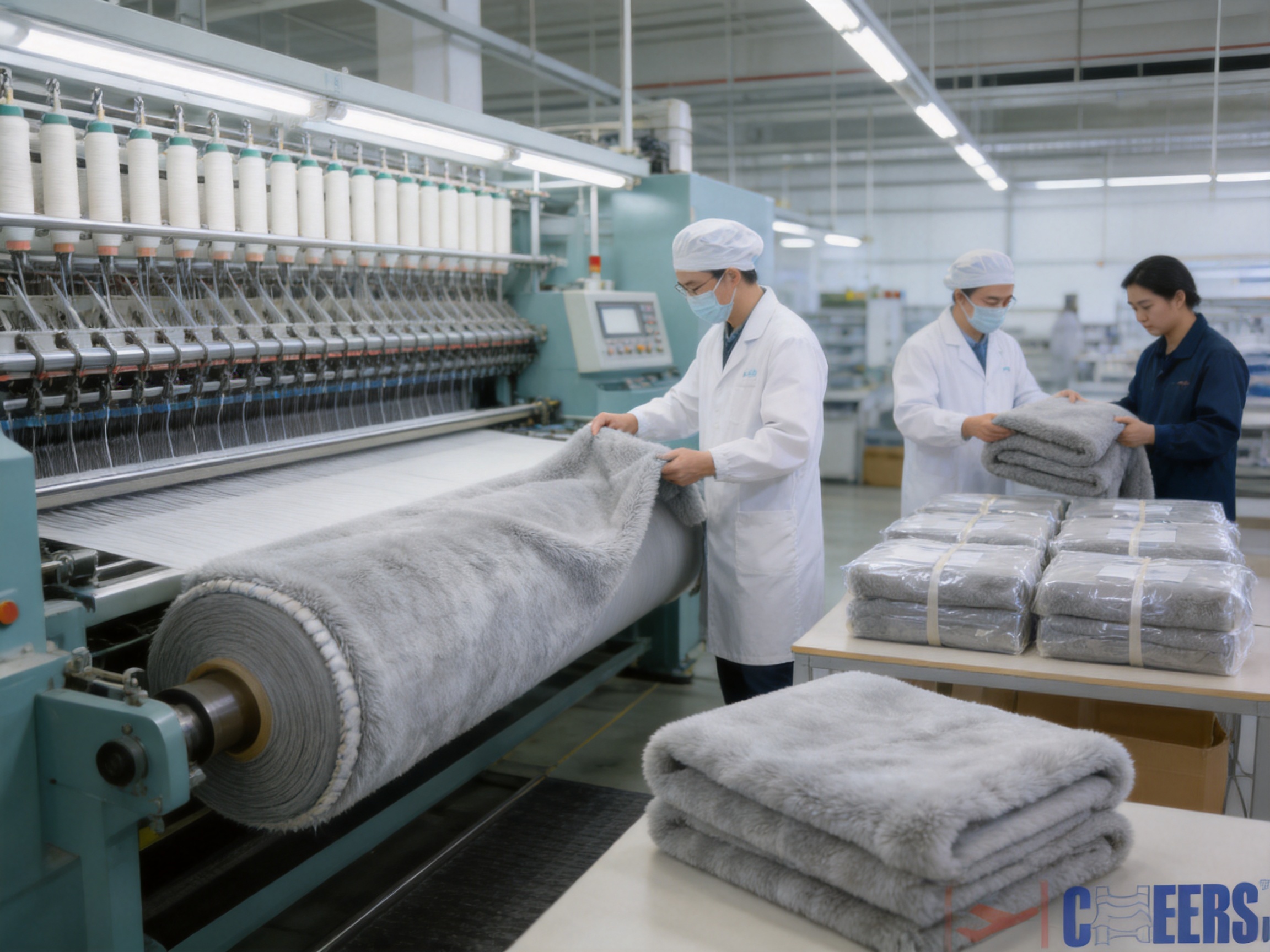
The quality of a finished textile depends not only on its listed specifications but also on the production system used to create it. Zhejiang Benyi Textile Technology Co., Ltd. is located in Shaoxing, Zhejiang Province, a region widely recognized for its textile manufacturing activity. This location provides access to textile expertise, material resources, production services, and an established industrial network.
The company operates as a textile technology enterprise with capabilities covering weaving, dyeing and printing, and finished carpet processing. Although its broader product range includes carpets, rug fabrics, and finished textile products, this integrated background is also relevant to blanket production. It indicates experience with fiber behavior, surface development, coloration, finishing, dimensional control, and product consistency.
Controlling multiple stages of the production chain can provide several benefits. First, it allows closer coordination between material development and final product requirements. Second, it can shorten communication paths when adjustments are needed. Third, it gives the manufacturer greater visibility into quality and lead time than a business that relies entirely on unrelated subcontractors.
The company’s stated production model combines the bottom and surface of textile products, helping simplify manufacturing and improve efficiency in its core carpet operations. This reflects a broader ability to examine textile construction as a complete system rather than treating each stage as an isolated task. Such an approach can support more consistent development of products with multiple layers, complex surfaces, or specialized finishing requirements.
The company has a team of more than 20 fabric engineers and develops new carpet fabrics each quarter based on market trends. This level of technical involvement is a meaningful strength for buyers seeking more than standard catalog products. It suggests that the manufacturer can evaluate changing preferences in color, texture, material composition, and end-use performance.
Although the Roll Bundle Faux Wool Throw Blanket uses a solid-color design, product development expertise remains important. A plain appearance does not mean a simple manufacturing challenge. The manufacturer must control pile height, surface density, layer alignment, edge finishing, color consistency, dimensional stability, and wash performance. Technical development helps ensure that these details work together.
Market-driven research can also help the manufacturer respond to different customer segments. Residential buyers may prioritize softness and appearance, while hospitality buyers may emphasize repeated washing and consistent dimensions. Wholesale distributors may request specific sizes, colors, packaging formats, or labeling arrangements. A manufacturer with an engineering and development team is better positioned to evaluate such requirements.
Full-chain visibility can support quality control from fiber selection through finished inspection. In practical terms, this may involve checking the incoming material, monitoring the knitting or surface-forming process, verifying color and pile consistency, inspecting the double-layer construction, and reviewing the final product before packing.
Lead-time control is also important for wholesale customers. Delays can affect seasonal launches, promotional campaigns, hotel projects, and retail replenishment. A manufacturer with its own weaving, dyeing or printing, and finishing resources may be able to coordinate production more efficiently than a fragmented supply chain. It can also provide clearer communication when an order requires changes or a revised schedule.
For customers purchasing in volume, reliable production is often as important as the first sample. A blanket may appear satisfactory in a single unit, but large-scale consistency determines whether the product can support a long-term retail or hospitality program. Integrated production and internal technical expertise can reduce variation between batches.
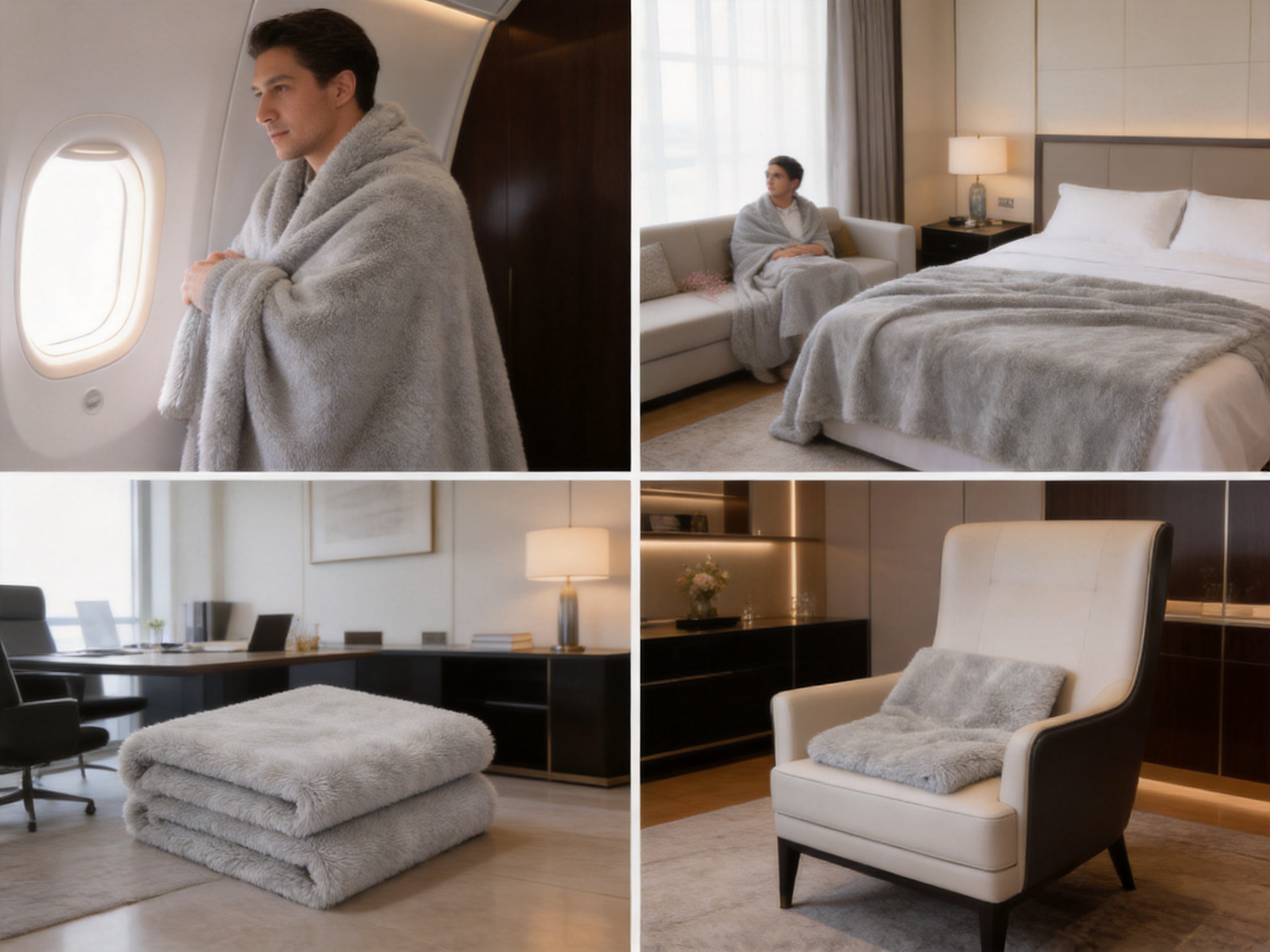
The blanket’s standard sizes and solid colors provide a practical starting point for wholesale programs. Retailers can select sizes that match their customer base, while hotels and furnished accommodation providers can choose dimensions that complement their bedding and room layouts. Solid colors also make it easier to create a coordinated product range without introducing complicated pattern combinations.
Customization may be valuable for businesses that want to develop a private-label collection or a blanket program with a specific market position. Potential areas for discussion can include color development, size adjustments, edge appearance, packaging, labeling, and order configuration. Any custom request should be confirmed with the manufacturer because production feasibility, minimum quantities, and testing requirements may vary.
A company experienced in customized textile development can help translate a design concept into a manufacturable product. This may involve selecting a suitable fiber specification, determining pile proportions, testing the feel of different surfaces, reviewing edge construction, and confirming washing behavior. The ability to manage these details can distinguish a technical textile supplier from a simple trading intermediary.
For distributors, the product can occupy a useful position between an inexpensive lightweight throw and a premium natural-fiber blanket. Its heavyweight construction and faux wool surface support a higher perceived value, while polyester composition and machine care help maintain practical pricing and usability. Retailers can present it as a comfort-focused product for cold weather, home decoration, travel, and everyday relaxation.
Modern textile purchasing increasingly involves questions about material sourcing, production efficiency, chemical management, and product life. The company describes environmental protection and sustainability as part of its development direction. It invests in sustainable materials and production methods, including recycled polyester and water-saving dyeing techniques.
Recycled polyester can help reduce reliance on newly produced petroleum-based raw materials when it is appropriately sourced and processed. Water-saving dyeing techniques can reduce pressure on water resources and may support more efficient production. These approaches do not eliminate every environmental impact associated with synthetic textiles, but they demonstrate an effort to improve the resource profile of textile manufacturing.
The company also states that it has passed OEKO-TEX and GRS certifications. Buyers should request current certification documents, applicable scopes, and product-specific confirmation when those details are important to a purchasing decision. Certification requirements can differ according to facility, material, production stage, and certificate validity period.
Durability is another part of sustainability. A blanket that remains attractive, soft, and functional over a longer period may not need to be replaced as frequently as a lower-quality alternative. The product’s anti-pilling, wrinkle-resistant, shrink-resistant, and color-retention claims are therefore relevant not only to convenience but also to practical service life.
Responsible care at the user level also matters. Washing separately in cold water, using a low-temperature drying setting, avoiding unnecessary harsh chemicals, and storing the blanket in a dry, ventilated place can help preserve its surface and shape. Appropriate care reduces avoidable wear and supports longer use.
A solid-color blanket can be integrated into many decorative settings without overwhelming the room. On a sofa, it can be folded over an arm or arranged loosely across the back. In a bedroom, it can be placed at the foot of the bed to create a layered appearance. In a reading corner, it can be paired with a cushion and an accent chair to create a more inviting resting space.
The plush faux wool surface can add visual warmth to interiors that use hard flooring, smooth furniture, metal accents, or minimalist decoration. It can also complement rustic, contemporary, Scandinavian-inspired, transitional, and casual styles. Because the design is not dependent on a seasonal pattern, the blanket can remain in use throughout the year.
For hospitality environments, a blanket can contribute to the perceived comfort of a room. It may be placed in a guest room, lounge, suite, cabin, or wellness space. The texture communicates softness visually, while the substantial construction provides the practical comfort guests expect in cooler conditions.
The range of dimensions allows designers and buyers to use the product in different ways. A smaller size can function as an individual chair throw. A medium size can provide personal coverage on a sofa or bed. Larger sizes can create a generous layer across a queen- or king-style sleeping surface, subject to the customer’s exact bedding dimensions and styling preferences.
Proper care begins with following the recommended washing method. The blanket should be washed separately in cold water. Separate washing can reduce friction from zippers, hooks, rough fabrics, and heavily textured garments. It can also help prevent color transfer and give the blanket enough room to move freely in the washing machine.
A low-temperature tumble-dry setting is recommended. Excessive heat can affect synthetic fibers, surface texture, dimensions, and edge finishing. Low heat supports more controlled drying and helps protect the plush pile. If air drying is preferred, the blanket should be placed in a clean, well-ventilated area and arranged to avoid prolonged dampness.
Users should avoid ironing the plush surface directly unless the care label specifically permits it. Direct high heat may flatten or alter the pile. Strong bleaching agents and aggressive chemical treatments should also be avoided unless expressly approved for the product. When storing the blanket, it is best to fold it loosely rather than compressing it under heavy objects for long periods.
Routine care is simple because the product is designed for machine washing. However, simplicity should not be confused with careless treatment. Gentle handling helps preserve the surface, color, loft, and overall appearance. These practices are particularly important in hotels, offices, and other settings where the blanket may experience more frequent cleaning than it would in a private home.
Size selection should be based on the intended use rather than appearance alone. A personal throw for a chair or plane journey does not need the same dimensions as a blanket intended to cover a bed. Selecting an appropriate size helps prevent unnecessary bulk and ensures that the blanket provides adequate coverage.
| Available Size | Suggested Use | Key Consideration |
| 50 by 60 inches | Chair, compact sofa, travel, office use | Easy to carry and store |
| 60 by 80 inches | Individual adult use, sofa, single-bed coverage | Balanced personal coverage |
| 90 by 90 inches | Larger bed, shared sofa, generous home throw | More room for wrapping and layering |
| 90 by 110 inches | Large bed or shared coverage | Maximum coverage among the listed options |
Buyers should also consider storage. Larger blankets require more shelf or cabinet space, especially when the 970gsm weight is taken into account. Commercial users may wish to plan storage capacity before placing a large order. For retail buyers, packaging dimensions and shipping weight should be reviewed alongside the blanket’s open size.
Color selection can be guided by the intended environment. Neutral colors can support broad retail appeal and coordinate with many furnishings. Deeper tones may create a more dramatic appearance, while lighter shades can produce a clean and relaxed look. Because the product uses solid colors, buyers can create a coordinated range by offering several shades without changing the underlying design.
When purchasing textile products, the supplier relationship can influence the entire product experience. A manufacturer that understands fibers, construction, finishing, and end-use requirements can contribute more effectively than a supplier focused only on order fulfillment. This is particularly important when customers need consistent quality across multiple sizes, colors, or production batches.
Zhejiang Benyi Textile Technology Co., Ltd. presents itself as a company with control over weaving, dyeing and printing, and finished product processing. This integrated capability can help coordinate raw material decisions, color development, surface treatment, and final inspection. It may also allow faster responses when buyers request a modification or need technical clarification.
The company’s location in Shaoxing provides access to a mature textile ecosystem, while its research team supports ongoing fabric development. Its stated commitment to environmental protection, sustainable materials, water-saving methods, and recognized textile certifications may be relevant to buyers with responsible sourcing policies.
For wholesale customers, the combination of manufacturing capability and customization support creates opportunities to develop a product line rather than purchase an isolated item. A retailer may build a coordinated range of blankets, rugs, carpet fabrics, cushions, and other textile products using related color or texture concepts. A hospitality buyer may request a consistent specification for multiple properties or room types.
Effective cooperation still requires clear communication. Buyers should define target markets, expected order quantities, preferred sizes, color standards, packaging requirements, delivery schedules, testing expectations, and care-label information. Samples should be reviewed for hand feel, color, dimensions, edge construction, and washing performance before mass production.
Whether purchasing for personal use or wholesale distribution, a few quality points deserve attention. The first is surface consistency. The pile should feel evenly developed across the blanket, without obvious thin areas, bald patches, or irregular transitions between long and short pile sections.
The second is layer alignment. A double-layer blanket should lie flat and maintain a stable relationship between its surfaces. Excessive twisting, bubbling, or uneven edges may indicate construction problems. The perimeter should appear neat, and the welt sewing should be secure without loose threads or skipped sections.
The third is dimensional accuracy. Buyers should compare the actual measurements with the selected specification, especially when the blanket is intended for a bed, hotel room, or coordinated retail collection. Dimensional stability after washing should also be considered. Shrink-resistant construction is valuable, but care instructions must still be followed.
The fourth is color uniformity. Solid colors make inconsistency easier to notice. A reliable production process should provide even coloration across the surface and between units in the same order. Commercial buyers may wish to establish an approved color standard before production begins.
The fifth is tactile performance. A blanket should feel soft and comfortable against the skin, without excessive roughness, unpleasant odor, or a surface that feels overly stiff. The intended faux wool character should be evident in both appearance and hand feel.
Finally, buyers should review packaging and labeling. The product name, fiber content, size, care instructions, and country-of-origin information should be presented according to the requirements of the target market. Wholesale buyers should confirm whether custom labels, barcodes, cartons, or retail packaging are available.
The blanket is made from 100% polyester. Its microfiber polyester construction is designed to provide a soft, fluffy, and durable surface while supporting convenient machine washing.
A 970gsm blanket is a heavyweight textile with a substantial feel. Combined with the double-layer construction and plush pile surfaces, this weight is intended to provide strong warmth for cold conditions, indoor air conditioning, travel, and relaxing at home. Actual warmth depends on room temperature, clothing, personal preference, and how the blanket is used.
Yes. The heavy weight, double layers, and long-and-short pile surface are designed to provide extra softness and insulation during winter. The blanket can also be used during other seasons as a comfort layer.
Yes. The recommended method is to wash the blanket separately in cold water. It can be tumble dried on a low setting. Following the care instructions helps protect the pile, color, shape, and edge finishing.
The product is described as shrink-resistant. However, users should still use cold water and low-temperature drying because excessive heat and unsuitable washing conditions can affect any textile.
The blanket is designed with anti-pilling properties. This helps reduce the formation of surface pills caused by friction. Gentle washing and appropriate drying can further support the long-term appearance of the plush surface.
The listed sizes are 50 by 60 inches, 60 by 80 inches, 90 by 90 inches, and 90 by 110 inches. The best choice depends on whether the blanket will be used for travel, a chair, a sofa, a single bed, or a larger shared sleeping surface.
The double-layer design provides softness on both sides. The long and short pile heights create a varied tactile experience, allowing the blanket to be used with either surface facing upward according to personal preference.
Yes. The blanket is recommended for hotel and office use as well as residential applications. Its solid colors, substantial warmth, machine-washable construction, and available size range make it adaptable to hospitality and workplace environments.
The company provides customized textile services according to customer requirements. Buyers should discuss possible options such as colors, sizes, packaging, labels, and order quantities directly with the manufacturer because feasibility and minimum requirements may differ by project.
The company describes capabilities covering weaving, dyeing and printing, and finished product processing. It also has a team of more than 20 fabric engineers, develops new fabrics regularly, and maintains control over multiple stages of its production chain. These strengths can support product consistency, technical development, customization, and lead-time management.
The company states that it invests in sustainable materials and production methods, including recycled polyester and water-saving dyeing techniques. Buyers seeking a specific recycled content or certification should request current documentation and confirm that it applies to the exact product and production batch.
The Roll Bundle Faux Wool Throw Blanket combines the visual appeal of a plush faux wool textile with the practical strengths of heavyweight polyester construction. Its 970gsm weight, double-layer build, knitted structure, long-and-short pile surfaces, welt-sewn edges, and solid-color design create a balanced product for warmth, softness, decoration, and everyday use.
Compared with lightweight decorative throws, it offers a fuller and warmer experience. Compared with some natural-fiber alternatives, it provides easier machine care and a more uniform synthetic surface. Compared with basic flat polyester blankets, its pile development and double-sided softness create a more luxurious tactile impression.
The product is also supported by a manufacturing organization with broader textile expertise. Its Shaoxing location, integrated production capabilities, fabric engineering team, customization services, and stated commitment to sustainability provide a strong foundation for wholesale and commercial cooperation. Control across multiple production stages can help improve communication, quality visibility, and delivery planning.
For consumers, the blanket is a versatile comfort layer for sofas, beds, offices, travel, and seasonal use. For retailers, it offers a practical product with broad appeal, multiple sizes, and easy-to-coordinate colors. For hotels and other commercial users, it provides a combination of softness, warmth, presentable styling, and routine machine care.
When selecting a supplier, buyers should evaluate samples, confirm specifications, review care-label requirements, verify certification documents where applicable, and agree on quality standards before mass production. With those steps in place, this heavyweight faux wool throw can serve as a dependable addition to a modern home textile collection.
1. Product specification sheet for the Roll Bundle Faux Wool Throw Blanket, including fiber content, weight, sizes, construction, care instructions, and recommended uses.
2. Textile GSM and fabric-weight terminology references used in product evaluation and comparative textile analysis.
3. General textile care guidance for polyester knitted and pile fabrics, including cold-water washing and low-temperature drying practices.
4. General technical references on microfiber polyester, pile construction, anti-pilling performance, and dimensional stability.
5. Manufacturer-provided company information concerning textile production, fabric engineering, integrated manufacturing, customization services, and sustainability initiatives.
6. Manufacturer-provided information concerning OEKO-TEX and GRS certification claims. Current certificates and product applicability should be confirmed before commercial use.

ADD: No.75 Zhenyuan Road, Yuecheng District, Shaoxing City, Zhejiang Province, China 312000

Tel : +86-189 6750 9795

FAX : +86-0575-8803 2773

Email : fisher@benetextile.com

Copyright © Zhejiang Benyi Textile Technology Co., Ltd. All Rights Reserved. Carpets and Rugs Manufacturer

 English
 Français
 Deutsch
 عربى
عربى